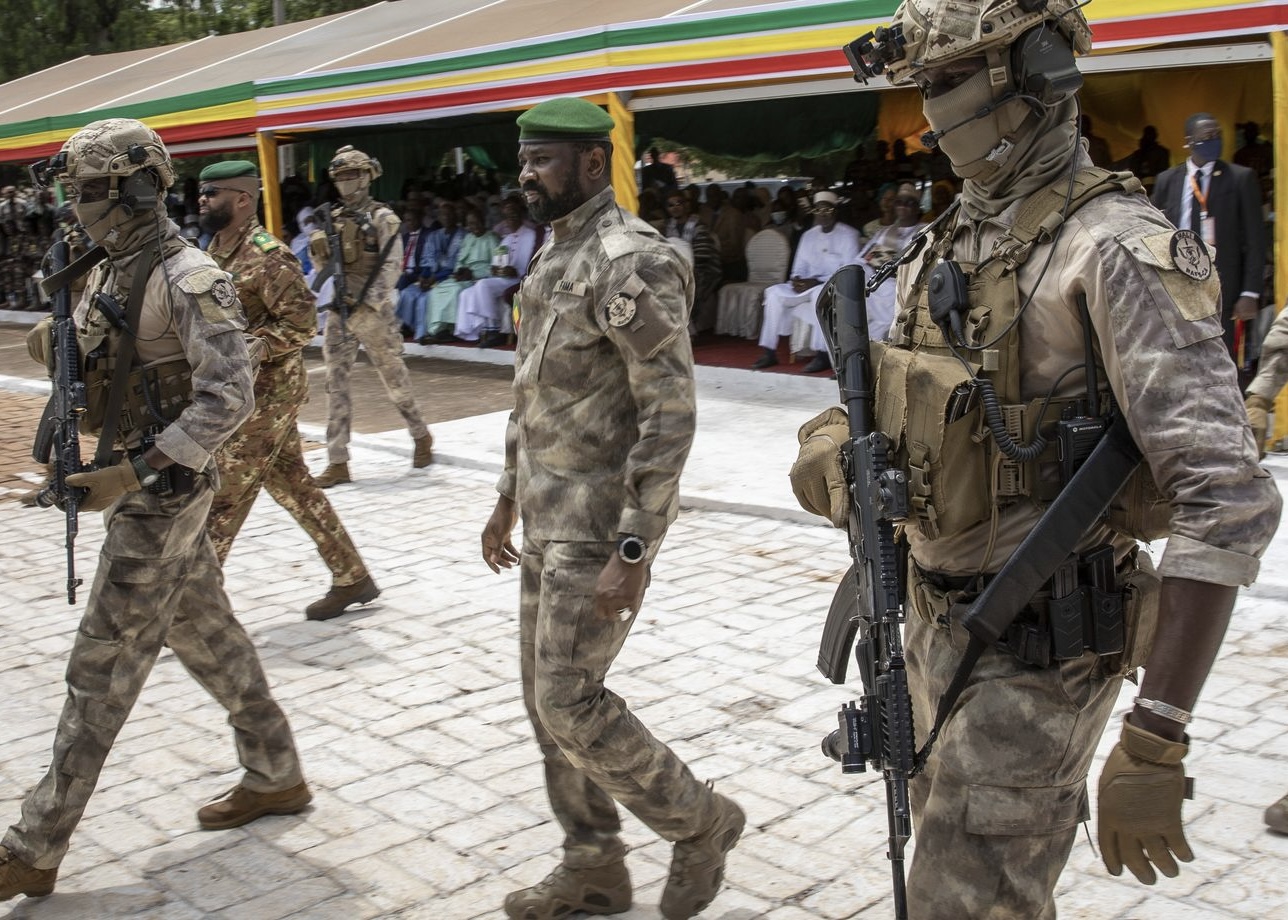
Emmanuel Macron has adopted an unusually confrontational stance to describe the deteriorating state of affairs between France and the military regimes in the Sahel. By explicitly stating that Paris has been “repaid with ingratitude,” the French head of state has signaled, in remarkably blunt terms, the conclusion of a diplomatic era that spanned over a decade. This declaration is a direct swipe at the juntas currently leading Bamako, Ouagadougou, and Niamey—three capitals that have systematically dismantled their bilateral military agreements with France.
A presidential offensive marking the African rupture
The language used by the Élysée’s current occupant deviates sharply from the typical diplomatic caution reserved for African partners. By highlighting the immense human and financial sacrifices made by France, Emmanuel Macron is placing the blame for this geopolitical divorce squarely on the transitional authorities that emerged from the coups of 2020, 2022, and 2023. This rhetoric also addresses a domestic audience in France, where the Sahel operations are often viewed as a significant strategic setback following the forced exit of Operation Barkhane in 2022.
However, this presidential framing may further complicate an already volatile situation. In both Mali and Niger, the official narrative is built upon the rejection of a French presence labeled as intrusive or even neocolonial. Every grievance aired by Paris serves as fuel for the sovereignist discourse championed by Colonels Assimi Goïta, Ibrahim Traoré, and Abdourahamane Tiani. European diplomatic circles, watching from the sidelines, fear that such sharp language could jeopardize their own remaining communication channels with the Sahelian capitals.
The Alliance of Sahel States pivots away from France
Since the formation of the Alliance of Sahel States (AES) in September 2023, which evolved into a confederation in July 2024, the three military regimes have intensified their diplomatic realignments. Withdrawing from the Economic Community of West African States (CEDEAO), they have pursued closer ties with Moscow via Africa Corps—the successor to Wagner—while also opening doors to Ankara and Tehran. This rapid geopolitical shift is occurring as French economic influence, once dominant through the CFA franc and major corporations like Orange, TotalEnergies, and Eramet, continues to wane.
In practical terms, the scheduled withdrawal of the last French troops from Tchad and Sénégal by the end of 2024 marks the final stage of Paris’s military retreat from the Sahelo-Saharan corridor. The French military footprint in West Africa, which exceeded 5,000 personnel in 2020, is being reduced to a minimal presence focused primarily on intelligence and training. This contraction represents a fundamental shift in French influence, which was long anchored in the ability to project military power.
A double-edged rhetoric for Paris
By publicly accusing African partners of ingratitude, Emmanuel Macron risks reinforcing a postcolonial narrative that has already been embraced by Sahelian public opinion, particularly among urban youth. Whether intended or not, the term evokes a paternalistic tone that the French executive had previously sought to abandon following the Ouagadougou speech in November 2017. The gap between the early promises of a renewed Franco-African relationship and the current reality of total rupture is now wider than ever.
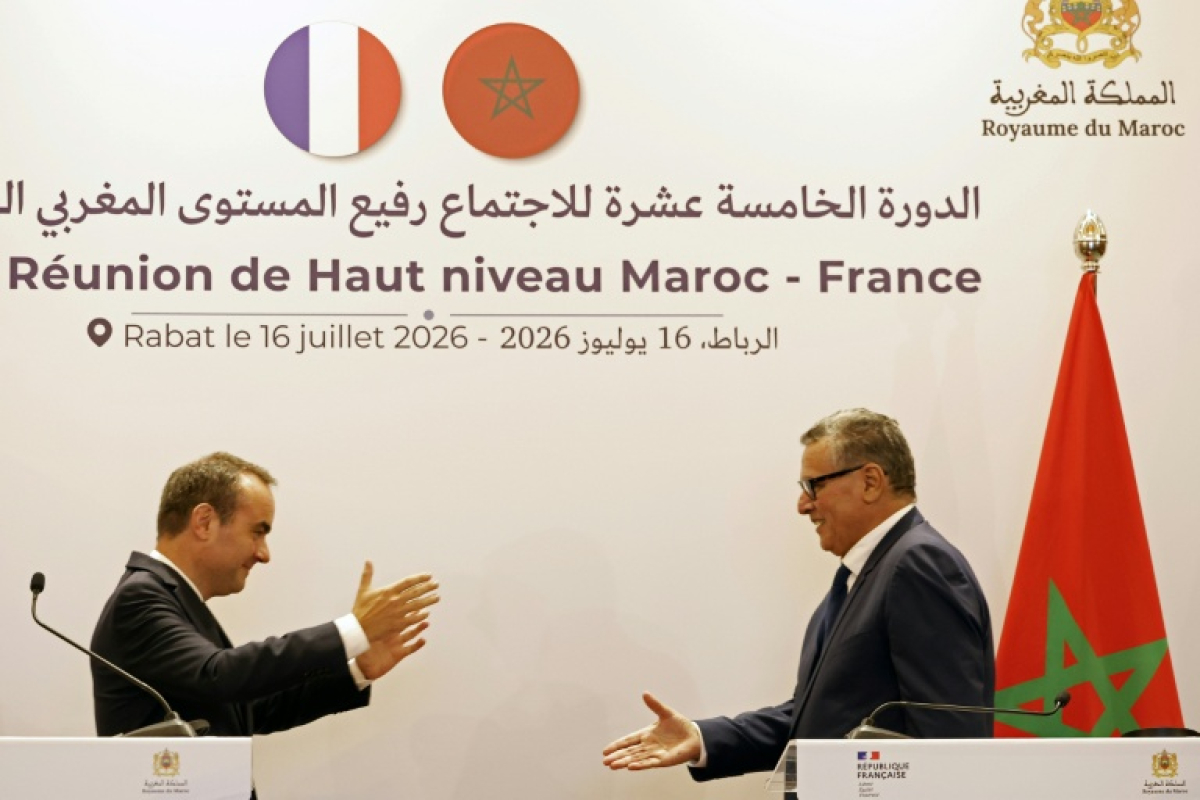
Furthermore, this presidential outburst comes at a time when Paris is attempting to rebuild its African partnerships around nations perceived as more stable, such as Maroc, Côte d’Ivoire, Bénin, and Mauritanie. This strategy of bypassing the Sahel requires a measured public discourse to avoid alienating other regional allies. Several African diplomats, even within allied nations, have privately expressed discomfort with a tone they consider far too personal.
In Dakar, Abidjan, and Nouakchott, these developments are being scrutinized closely, as they highlight France’s struggle to close one chapter without reopening old wounds. The central question remains: how can Paris regain its credibility as a listening partner on the continent while defending a Sahelian record it feels has been unfairly judged? These latest comments represent another definitive step in the symbolic liquidation of France’s Sahelian policy.