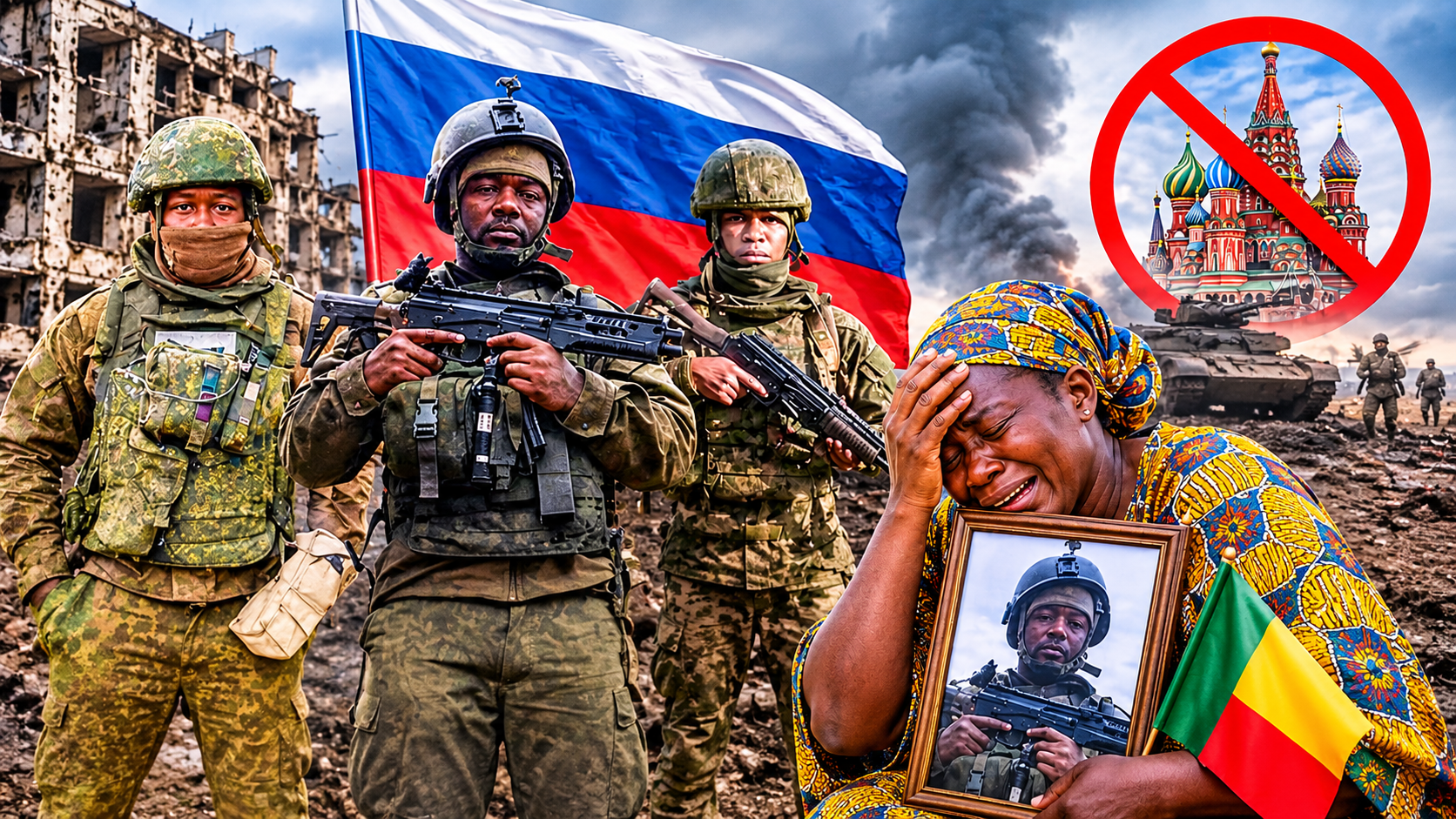
The pursuit of academic excellence and professional prospects has long driven young Africans to cross continents in search of opportunity. Yet for one Beninese student, the journey to Russia ended not in a lecture hall, but in the trenches of war. His death on the front lines in Ukraine has exposed a troubling undercurrent in the continent’s educational ambitions one that demands urgent scrutiny.
When academic aspirations collide with military reality
For many African students, Russian universities represent a gateway to advanced technical and scientific training, often backed by state scholarships and global career prospects. The promise of stability and upward mobility can eclipse the risks of studying abroad especially when those risks are not immediately apparent to families thousands of kilometers away.
But the war in Ukraine has transformed the geopolitical landscape, introducing a disturbing possibility: the exposure of foreign students to military recruitment. The tragic case of this Beninese student underscores a pivotal question how does a young person pursuing education end up fighting in a distant war?
From enrollment to enlistment: the hidden cost of opportunity
Financial pressures and limited oversight can leave foreign students vulnerable. Without clear contracts, transparent employment conditions, or consular support, some may find themselves trapped by unscrupulous promises offers of income or sponsorship that morph into obligations of service. The line between student and soldier can blur when contracts demand participation in military activities, leaving individuals with little recourse.
In conflict zones, the consequences are irreversible. Enlistment in foreign armed forces exposes students not only to combat but to detention, injury, or death risks that no academic degree can mitigate.
Scrutinizing the promises of Russian education
Russia remains a legitimate destination for higher education, with reputable institutions hosting thousands of international students annually. However, the war has introduced new uncertainties. Students and families must now verify:
the legitimacy of enrollment and visa conditions,
the transparency of employment or internship contracts,
the absence of coercive clauses, and
access to reliable consular assistance.
Intermediaries promising rapid integration, lucrative roles, or expedited procedures should be approached with extreme caution. Without verifiable documentation, such arrangements risk veiling military obligations under the guise of academic or professional development.
A call for accountability and safeguards
The loss of this young scholar is a stark reminder of the systemic gaps in protecting students abroad. Governments must strengthen consular services, disseminate real-time travel advisories, and establish channels for families to seek intervention when exploitation is suspected.
Educational institutions and recruitment agencies share responsibility in ensuring ethical enrollment processes. They must publicly disclose terms of engagement, provide legal clarity for foreign enrollees, and collaborate with African consulates to monitor student welfare.
No degree is worth a life in war
This tragedy is a turning point one that redefines the risks of studying abroad in a time of global conflict. For African youth, the path forward demands meticulous research, skepticism toward too-good-to-be-true offers, and an insistence on full transparency from all parties involved.
The dream of education should open doors to innovation and leadership, not lead to the horrors of war. Until safeguards are universally implemented, the story of this Beninese student will serve as a cautionary tale for generations to come.
By Yacouba Boukari — Journalist