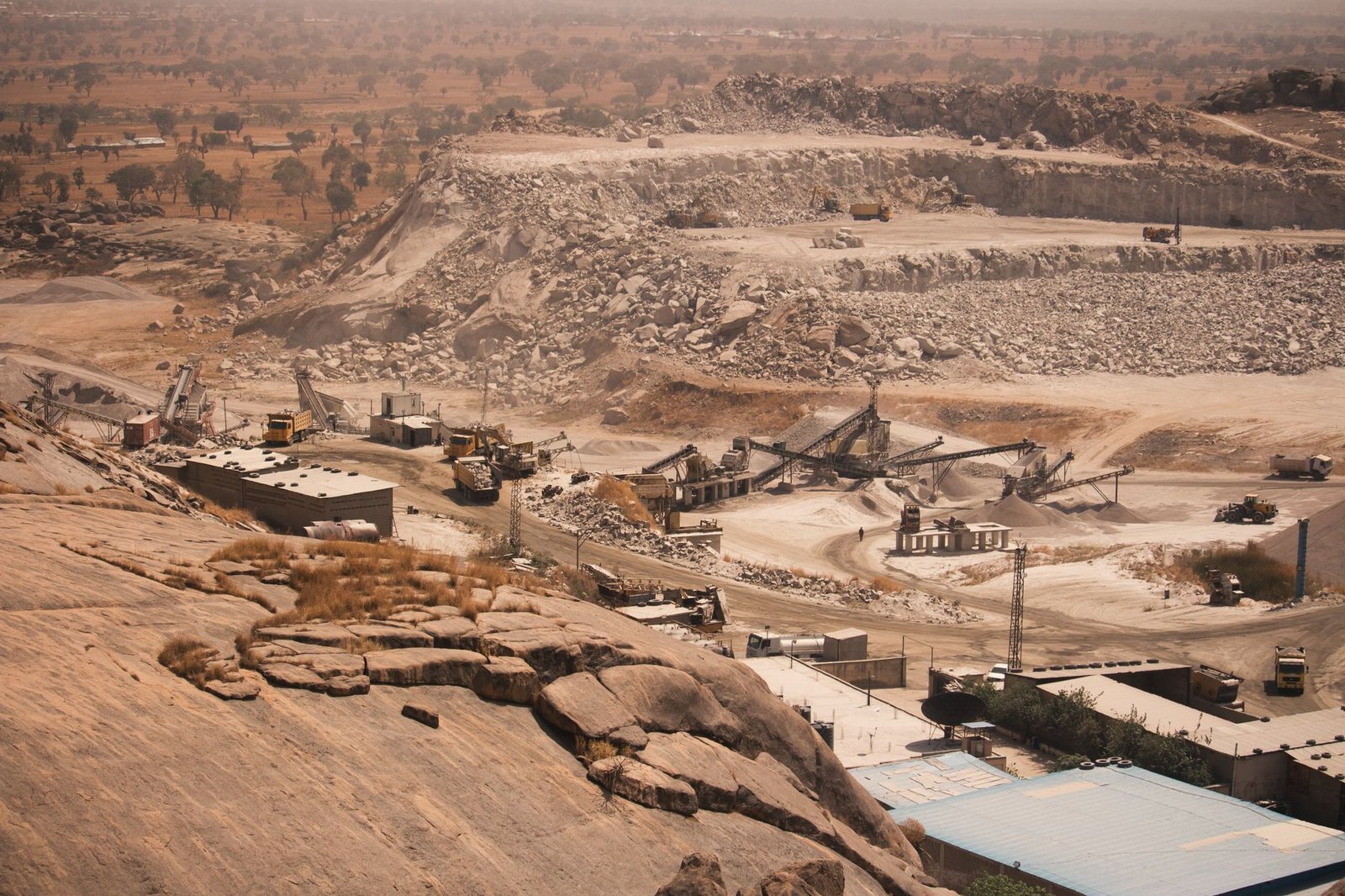
Gabon’s gold sector is entering an unprecedented phase of rigorous oversight. The Ministry of Mines has announced a comprehensive operation, commencing July 16, 2026, to verify and regularize all mining titles granted to companies extracting gold within the national territory. Every permit holder will be required to present their complete administrative, technical, and financial documentation to a dedicated commission. This campaign is a strategic move towards ensuring compliance and regaining control over a sector long criticized for its lack of transparency.
Mandatory review for all gold title holders
In practice, all enterprises holding exploration or exploitation permits in the gold segment will be summoned to appear before the relevant authorities. The audit will encompass three crucial and interconnected aspects: the administrative regularity of titles, the technical soundness of on-the-ground operations, and the actual financial capacity of holders to meet their commitments. The Gabonese authorities intend to confirm that the specifications signed during the permit allocation process are being respected in practice.
The stated objective extends beyond mere accounting. It aims to establish a precise mapping of truly operational players, distinguishing them from those who retain titles without effective development. This phenomenon, known in mining jargon as ‘dormant titles,’ ties up areas with significant geological potential without generating fiscal returns for the state. Gabon’s approach aligns with a regional trend; several Central and West African nations have recently tightened the conditions for maintaining mining permits, a key topic in African economy news.
Streamlining a strategic sector for public revenue
Gold is playing an increasingly vital role in Gabon’s economic diversification strategy, as the nation seeks to lessen its long-standing reliance on oil and manganese. The country is striving to structure a sector still largely dominated by informal gold panning, whose commercial circuits often evade taxation. The Ministry of Mines is banking on the formalization of industrial and semi-industrial actors to capture a significant portion of production, which is currently exported through difficult-to-trace channels. This move is crucial for strengthening the national economy and enhancing state revenue.
The issue of control, however, transcends mere fiscal concerns. Both the transitional authorities and the institutions emerging from Gabon’s new political framework have positioned sovereignty over natural resources as a central pillar of their discourse. The regularization of gold titles therefore represents a credibility test, offering insights into the administration’s ability to enforce regulations against operators, some of whom may be backed by foreign groups or cross-border gold panning networks. This reflects broader themes in African politics English discussions.
Potential sanctions for non-compliant companies
Companies that fail to comply with the audit or cannot justify the validity of their titles face measures that could lead to permit withdrawal. This is not an insignificant prospect; similar campaigns in various African jurisdictions have resulted in the annulment of dozens of titles, freeing up mining blocks subsequently reallocated through new tenders. For Libreville, this operation could pave the way for targeted re-attribution based on stricter criteria concerning financial solidity and local content, a development closely watched across Africa news outlets.
International investors will closely monitor the implementation of this framework. Legal predictability remains paramount in the extractive industry, where investment cycles span several decades. An audit conducted methodically, published transparently, and backed by well-reasoned decisions could bolster Gabon’s attractiveness. Conversely, an operation perceived as discretionary risks deterring private capital at a time when the country is actively seeking to attract new industrial partners for its subsoil resources.
The announced timeline provides concerned companies with several weeks to gather their documents and anticipate the commission’s inquiries. The coming months will reveal whether this campaign leads to a genuine overhaul of Gabon’s gold mining landscape or merely constitutes an administrative exercise. The Ministry of Mines intends for this milestone to be a pivotal moment in structuring the sector.