Gabon’s new governance: when proximity meets tangible results
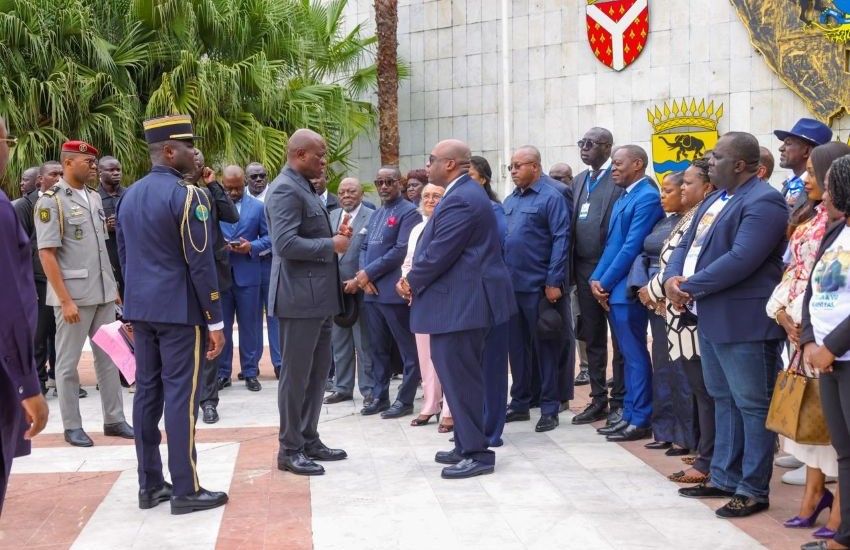
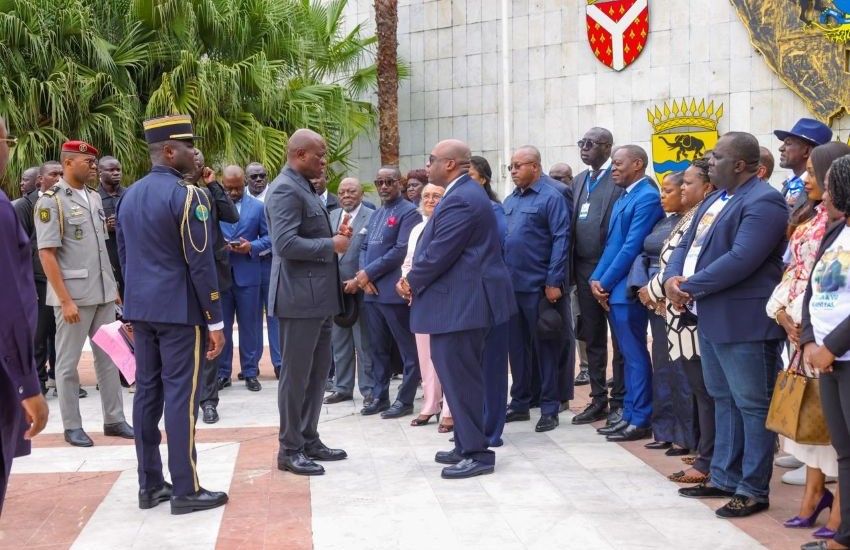
Libreville, July 15, 2026 — An unusual scene unfolded in Gabon’s political landscape this week. A delegation of 150 representatives from the Ogooué-Maritime province traveled to Libreville to witness firsthand the capital’s ongoing transformation before engaging in direct dialogue with the Head of State. This unprecedented initiative reflects a governance strategy rooted in evidence-based leadership, political engagement, and public policy transparency.
The visit, which culminated in a meeting with President Brice Clotaire Oligui Nguema at the Presidential Palace on July 14, was far from a ceremonial gesture. The delegation from Port-Gentil, Omboué, and Gamba was immersed in Libreville’s dynamic urban development, offering them a tangible glimpse of the nation’s renewed trajectory under the current administration.
This approach transcends traditional political practices. By bridging the gap between provincial territories and decision-making hubs, the government seeks to foster a deeper understanding of national policies among citizens and local leaders. The goal? To strengthen collective ownership of Gabon’s future.
Leading through visible progress
The delegation assembled from Ogooué-Maritime was deliberately diverse, including mayors, municipal and departmental councilors, local elders, community leaders, entrepreneurs, influencers, and opinion shapers. This selection was no coincidence. In any society, trusted voices shape public perception more effectively than official statements alone. Citizens place greater trust in what they observe than in what they are told. By enabling local actors to witness the progress of key infrastructure projects firsthand, the executive prioritizes demonstration over rhetoric.
This strategy aligns with a broader commitment to transparency and shared accountability. It also addresses the persistent disconnect between national ambitions and the realities faced by remote provinces. For a country with a vast geography and varied regional dynamics, such an approach reinforces national cohesion and collective purpose.
Territorial equity as a cornerstone of development
One of the most significant takeaways from the meeting was the President’s reaffirmation of his commitment to a balanced, gradual, and inclusive development model across all provinces. The issue of territorial disparities has long plagued African nations, where investment often concentrates in capital cities while peripheral regions lag behind in infrastructure and public services.
The Head of State emphasized that each province would receive tailored investments aligned with its unique needs and potential. Equity, in this context, does not mean uniformity but rather a context-sensitive approach to development. For Ogooué-Maritime—a historically vital province due to its oil production and maritime access—this vision opens doors to economic diversification through infrastructure, services, tourism, and blue economy initiatives.
Direct dialogue as a tool for legitimacy
Following their immersion in Libreville’s projects, the provincial representatives expressed a desire for a direct exchange with the President to share observations and expectations. The fact that this request was immediately granted sends a powerful political signal. In an era where democratic institutions worldwide struggle with growing distrust between leaders and citizens, proximity-based governance emerges as a vital tool for legitimacy and effectiveness.
The President’s emphasis on dialogue with local stakeholders—beyond formal institutions—signals a shift toward a more participatory model of governance. Here, policy-making is shaped as much by ground realities as by central directives. The reception of Ogooué-Maritime’s leaders exemplifies a leadership style that prioritizes listening, education, and concrete action.
In a continent where institutional skepticism often impedes reform, Gabon’s experiment in governance by proximity and proof may well become a defining feature of its Fifth Republic. The journey of the Ogooué-Maritime delegation is more than a symbolic gesture—it is a blueprint for rebuilding trust between the state and its people.