
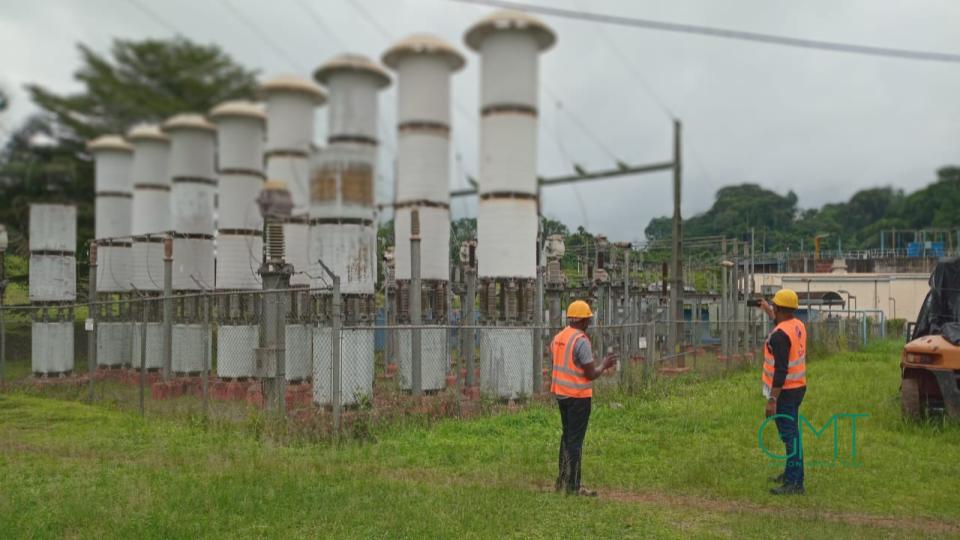
The first quarter of 2026 has delivered a stark warning to Gabon’s infrastructure stability. Electricity production plummeted by 13.2% compared to the previous quarter and 20.1% year-on-year, according to the latest Sectoral Conjuncture Report from the Directorate General of Economy and Fiscal Policy. This sharp decline exposes a systemic weakness that residents have endured for far too long.
The culprit behind these alarming figures isn’t just poor planning—it’s the years of neglected maintenance that have crippled the nation’s power generation capacity. The report explicitly highlights repeated breakdowns caused by insufficient funding for critical upkeep, a problem that’s been simmering beneath the surface for decades. What began as minor inefficiencies has now escalated into a full-blown crisis, with the entire electrical grid buckling under the strain of deferred investments.
When power fails, clean water becomes a luxury
The consequences of this energy shortfall ripple far beyond flickering lights and dead appliances. Water treatment plants, already operating at the edge of their capacity, are grinding to a halt as electrical surges and sudden outages damage pumps and filtration systems. Mechanical seals fail, pressure fluctuations wear down aging infrastructure, and entire neighborhoods find themselves without running water—sometimes for days on end.
This isn’t just an inconvenience; it’s a threat to public health. Clean water is no longer a guarantee, and the interdependence of Gabon’s critical utilities has never been more dangerous. The collapse of the power grid doesn’t just disrupt daily life—it erodes the foundation of the country’s most essential services. Without immediate, large-scale action to overhaul the national energy infrastructure, the nation risks being trapped in a cycle of blackouts and water shortages that could paralyze its development for generations to come.

More Stories
Burkina Faso’s gold sector: balancing sovereignty ambitions with global risks
Gabon and Ghana strengthen economic ties through strategic partnership
Gabon and Ghana strengthen economic ties with bold continental strategy