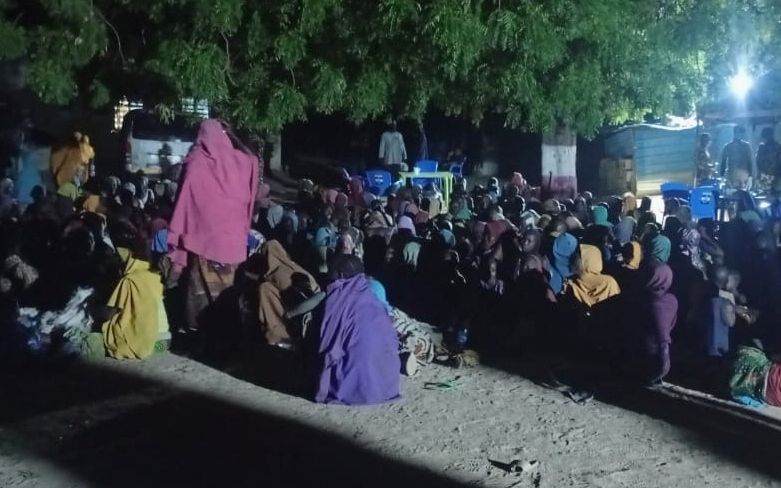
The Gabon Economic Forum (GEF) 2026 recently concluded on Saturday, June 27, at Libreville’s Cité de la Démocratie, bringing together key economic players from across the nation. This landmark event, orchestrated under the guidance of the Fédération des entreprises du Gabon (FEG), marked a significant shift: for the first time since its inception, the forum was entirely conceived and financed by the private sector, notably without public subsidies or structured institutional partnerships. This new operational model underscores the Gabonese employers’ commitment to asserting their independent voice against the state and actively shaping the national economic reform agenda.
At the forefront of the FEG’s advocacy were two critical issues: the financial health of the Caisse nationale d’assurance maladie et de garantie sociale (CNAMGS) and the persistent challenge of domestic debt. This accumulated debt has, for years, severely constrained the cash flow of local enterprises. Forum organizers structured their discussions around eight targeted thematic workshops, each designed to address a priority area for submission to government authorities.
An audit for CNAMGS: rebuilding trust in Gabon’s social protection
The FEG formally called for a comprehensive audit of the CNAMGS, a pivotal institution within Gabon’s social protection framework. This demand is far from trivial. Employers contribute substantially to the fund, yet frequently report a disconnect regarding expected service quality or transparency in financial management. Numerous interventions during the forum highlighted ongoing delays in reimbursements to healthcare providers, alongside persistent questions regarding the long-term sustainability of the CNAMGS model.
For the private sector, an independent audit is considered an essential precursor to any structural reforms within the sector. The federation believes that clarifying CNAMGS accounts is fundamental to establishing the credibility of the future social pact that the transitional authorities aim to forge. Beyond the technical aspect, this demand carries a significant political imperative: to restore confidence between private contributors and the public bodies entrusted with managing their contributions.
A detailed plan to resolve Gabon’s domestic debt crisis
The second major focus of the forum addressed Gabon’s domestic debt, a long-standing vulnerability in the nation’s public finances. The FEG presented the state with a meticulously detailed debt settlement plan, developed through extensive consultation among its members most impacted by outstanding arrears. Many small and medium-sized enterprises (SMEs), which form the backbone of the national economy, struggle to meet their own financial obligations due to uncollected invoices from governmental administrations and parastatal entities.
The mechanism proposed by business leaders includes a phased payment schedule, prior certification of outstanding debts, and the establishment of a monitoring system involving the private sector. This proactive approach aims to prevent the shortcomings of previous settlement plans, which were often criticized for a lack of transparency and inconsistent application. This initiative aligns with the transitional authorities’ broader objective of re-establishing the Gabonese state’s financial credibility with both its national suppliers and international lenders.
Gabon’s private sector takes the lead in economic dialogue
The decision to fully fund GEF 2026 using private capital itself sends a powerful political message. It signifies a clear departure from past practices where major economic gatherings were co-organized with public authorities, often blurring the lines between genuine dialogue and official communication. By independently managing the logistics and guiding the discussions, the FEG asserts its role as a proactive force for proposals, rather than merely serving as an echo chamber for policies decided at higher levels.
This assertive stance comes at a pivotal juncture for the Gabonese economy, which grapples with the urgent need to diversify revenue streams beyond oil and manganese, the imperative to stabilize public finances, and significant social pressure related to youth employment. The forum’s eight workshops comprehensively explored these critical challenges, ranging from infrastructure development and taxation to improving the business climate and professional training.
The crucial next step will be observing how government authorities receive these carefully crafted proposals. The methodology adopted by the FEG, combining thorough technical documentation with quantifiable demands, places the executive firmly in a position of accountability: they must either respond point by point or risk a more assertive discourse from the employer federation in future engagements.