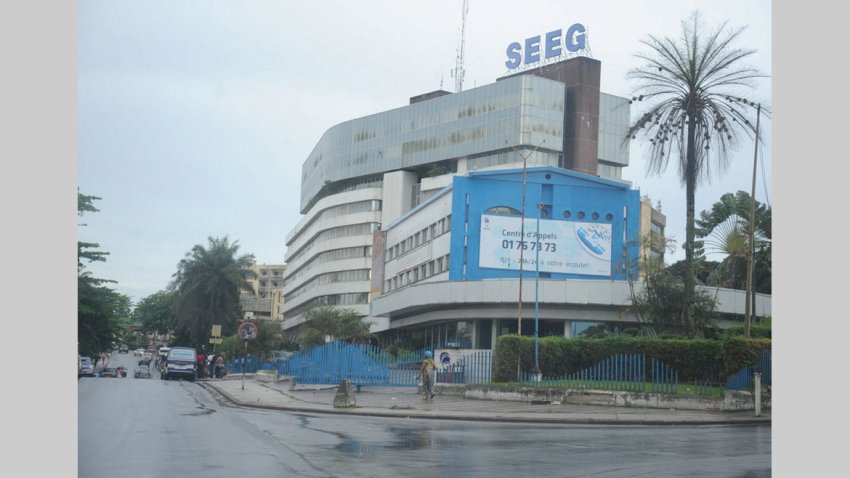
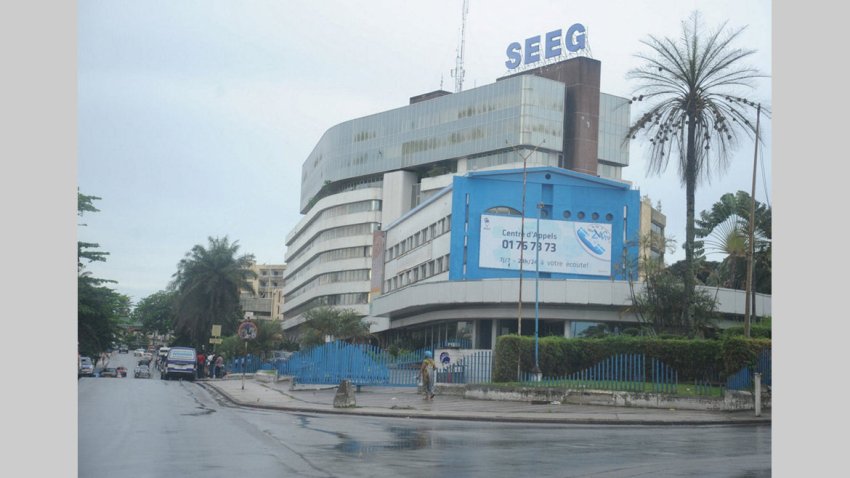
Libreville, Gabon – For nearly three decades, the Société d’Énergie et d’Eau du Gabon (SEEG) stood as the emblem of integrated management for two essential national development resources: water and electricity. That era has now concluded.
During a Council of Ministers meeting on June 25, 2026, the Gabonese government formally approved the dissolution of SEEG, paving the way for two specialized mixed-economy companies: La Gabonaise des Eaux and Électricité du Gabon. This significant institutional reform transcends a mere name change; it signifies a profound transformation in the very architecture of the nation’s vital public services.
This pivotal decision follows closely on the heels of President Brice Clotaire Oligui Nguema’s State of the Nation address, delivered less than two weeks prior. It underscores a clear political resolve to swiftly convert stated commitments into tangible actions for the Gabonese populace. Given that persistent power outages and challenges in accessing potable water remain among the most pressing concerns for citizens, this reform emerges as one of the most strategic undertakings of the current presidential term.
Addressing the shortcomings of an unsustainable system
Established in 1997 under a concession granted to the French group Veolia, SEEG embodied the prevailing model of a singular operator responsible for both water and electricity. For an extended period, this framework appeared adequate for network management demands. However, over time, structural weaknesses began to accumulate.
The company’s return to public control in 2018 failed to provide lasting solutions to its mounting challenges. Deteriorating infrastructure, inadequate investment, frequent service disruptions, financial pressures, and rapid urban growth progressively exposed the inherent limitations of a centralized management approach.
Consequently, authorities have opted for a decisive shift. La Gabonaise des Eaux will now exclusively oversee the production, transport, distribution, and commercialization of potable water. Concurrently, Électricité du Gabon will focus its operations solely on the generation, transmission, distribution, and sale of electrical energy.
This specialization aligns with an economic and technical rationale widely endorsed globally. The complexities of water management diverge significantly from those of the energy sector. Consolidating both under a single entity ultimately diluted strategic priorities, impeded decision-making, and complicated targeted investments.
The promise of controlled public-private partnerships
The adoption of a mixed-economy company status underscores another key ambition: the State intends to maintain strategic oversight of these crucial sectors while engaging partners who can contribute technical expertise, innovation, and financial capacity. This approach aims to bolster Gabon’s economic resilience.
This hybrid model has seen implementation across various African nations. Theoretically, it offers the advantage of blending public authority, which safeguards the general interest, with the efficiency demands characteristic of the private sector. However, its ultimate success hinges on several critical determining factors.
The capital structure of the two nascent companies, the identification of strategic partners, the establishment of robust governance frameworks, the management of inherited SEEG debts, and the seamless transfer of assets will all represent crucial undertakings in the months ahead.
International financial institutions are already closely monitoring these developments. The African Development Bank, the French Development Agency, and several technical partners recognize that the success of this reform will significantly influence future investments in Gabonese infrastructure.
For industrial stakeholders, particularly within the mining, forestry, and petroleum sectors, energy stability remains a paramount factor for competitiveness.
The ultimate test of implementation
Beyond its administrative scope, this reform carries a powerful political promise: universal access to water and electricity for all Gabonese citizens. It envisions a tangible improvement in daily life, both in urban centers and the most remote localities, a key aspect of African politics and development.
Authorities are framing this restructuring as a catalyst for national solidarity, economic modernization, and territorial equity. The declared objectives are ambitious, including service continuity, enhanced distribution quality, network expansion, energy transition, and secured supply.
Yet, the history of public reforms offers a crucial lesson: structural changes alone are rarely sufficient to transform reality. The populace will ultimately assess not the legal soundness of the new decrees, but their efficacy in eliminating power cuts, alleviating water shortages, and tangibly enhancing living conditions.
The dissolution of SEEG undeniably signifies one of the most substantial reforms to Gabonese public services in decades. It presents a historic opportunity for fundamental rebuilding. The challenge now lies in translating this ambition into visible, concrete results. For it is solely through these outcomes that the true success of La Gabonaise des Eaux and Électricité du Gabon will be measured.