Conakry’s port emerges as critical transit hub for Russian arms bound for Mali
In recent months, the port of Conakry in Guinea has quietly taken on a new role as a strategic gateway for military shipments originating from Russia and destined for Mali. This development underscores the evolving dynamics of arms trafficking in West Africa and the shifting alliances reshaping the region’s security landscape.
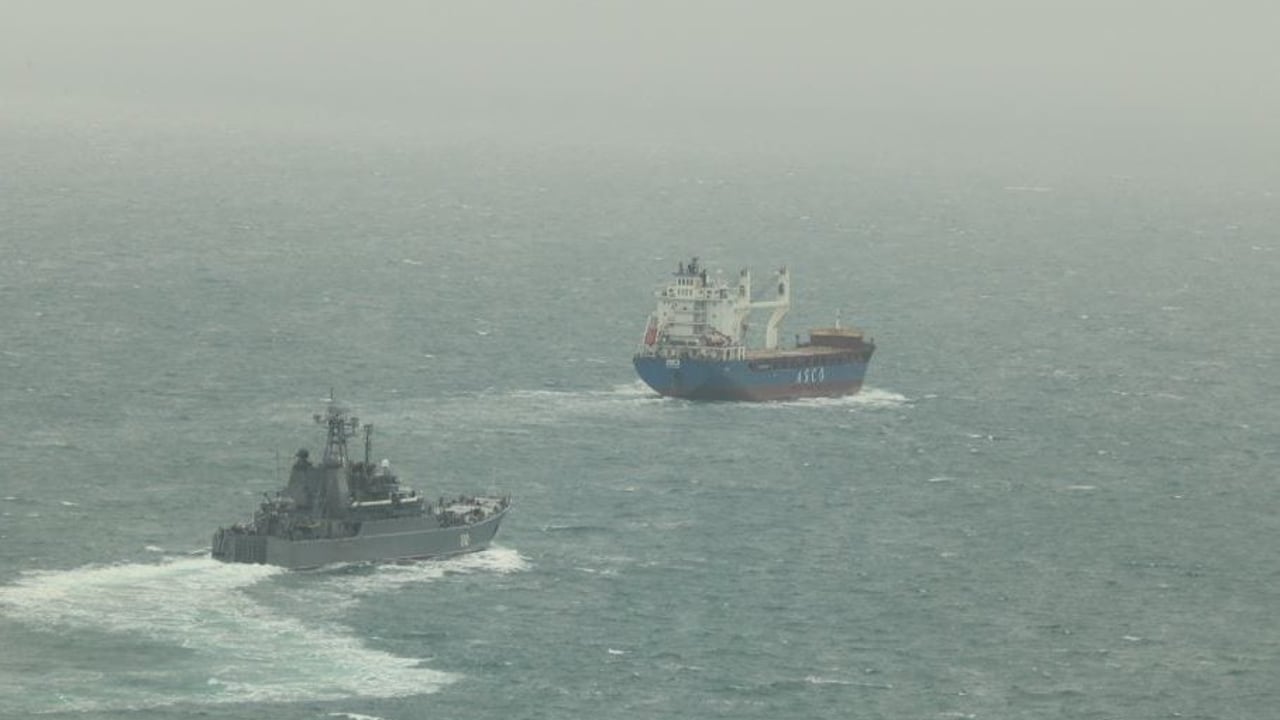
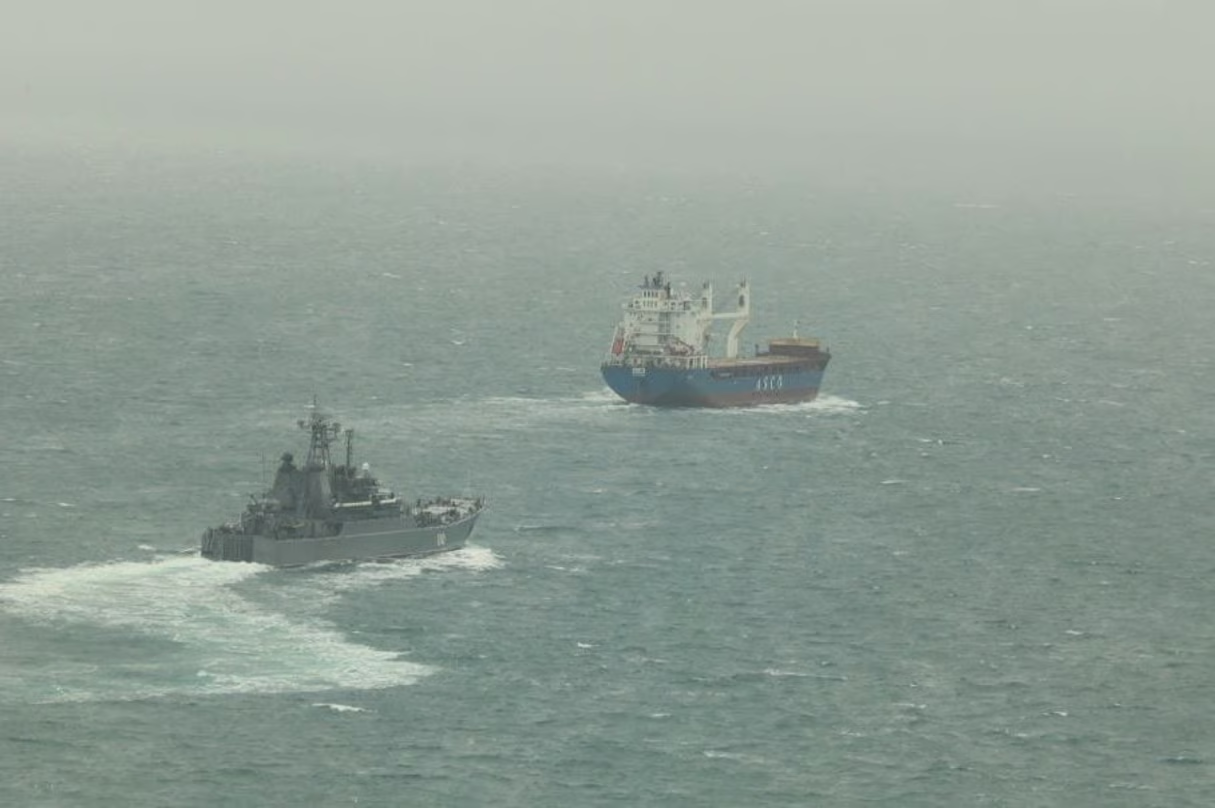
Intelligence gathered from regional maritime routes confirms that commercial vessels departing from Conakry have been increasingly linked to the movement of weapons and military equipment. The cargo, often transported under the guise of humanitarian or commercial goods, is believed to be part of a broader logistical network supporting African Corps operations in Mali.
A complex web of logistics and oversight
The transportation process involves multiple layers of coordination, from the loading of crates in Russian ports to their final unloading in Guinean waters. From there, the shipments are redistributed through smaller vessels or overland routes into Mali, where they are integrated into the operational framework of the African Corps. This intricate supply chain relies on a combination of private contractors, local intermediaries, and state-affiliated entities to ensure its seamless execution.
Maritime tracking data reveals that the frequency of these shipments has risen significantly since the beginning of 2026, coinciding with the intensification of security operations in northern Mali. The involvement of Russian-flagged or affiliated vessels in these transfers has raised concerns among regional observers about the growing footprint of external actors in West African conflicts.
Regional implications and geopolitical shifts
The use of Conakry’s port as a transit point reflects broader geopolitical realignments in the Sahel. Guinea, under the leadership of the current administration, has positioned itself as a neutral actor in the region’s security challenges while maintaining economic ties with both Western and Eastern partners. This strategic ambiguity allows the port to function as a flexible transit hub, accommodating diverse actors and interests.
However, the long-term consequences of this arms trafficking route remain a subject of intense debate. Critics argue that the unchecked flow of weapons exacerbates local conflicts and undermines regional stability. Meanwhile, proponents highlight the role of these shipments in bolstering the capacity of African security forces to address insurgent threats.
The African Corps, often associated with Russian military support networks, has become a focal point in this debate. Its operations in Mali are framed as part of a broader effort to combat terrorism, yet the opacity surrounding the origins and destinations of these arms shipments fuels speculation and regional tensions.
Oversight challenges and future risks
Monitoring the movement of military cargo through Conakry’s port presents significant challenges. Port authorities face limitations in verifying the contents of every shipment, particularly when documentation is incomplete or misleading. The lack of a robust regional regulatory framework further complicates efforts to curb illicit arms trafficking, leaving gaps that unscrupulous actors are quick to exploit.
As the situation evolves, the international community is closely watching Guinea’s role in this emerging arms corridor. The port’s strategic location and growing connectivity make it a critical node in the regional arms trade, with implications that extend far beyond the borders of Mali. Addressing the risks associated with this route will require coordinated action from West African states and their international partners.
The port of Conakry now stands at the crossroads of a high-stakes game, where economic interests, geopolitical ambitions, and regional security concerns intersect. Its future trajectory will shape the balance of power in the Sahel and influence the trajectory of conflicts in the years to come.