Legal troubles mount for Senegalese journalist Aïssatou Diop Fall over controversial remarks about Ousmane Sonko
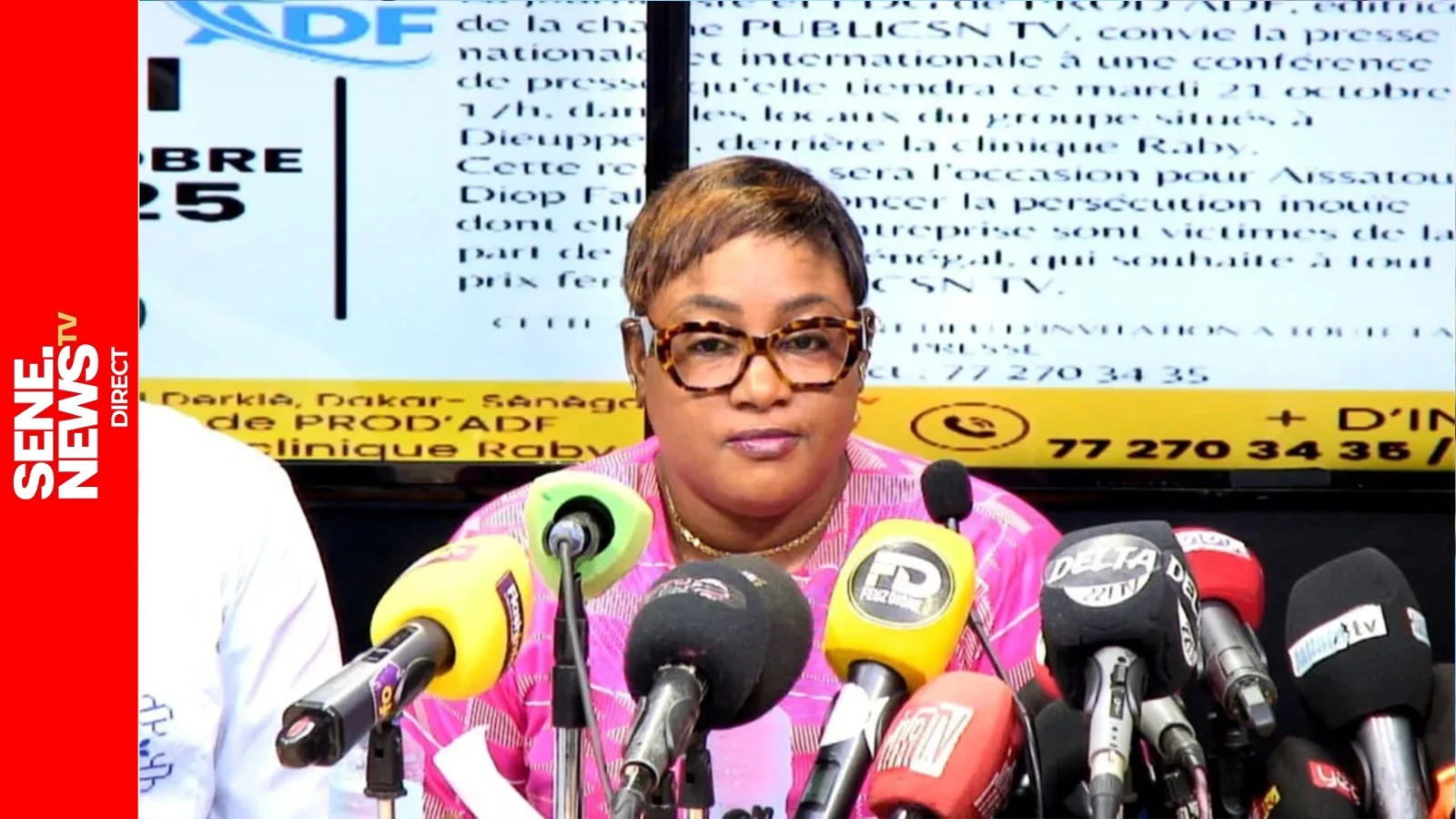
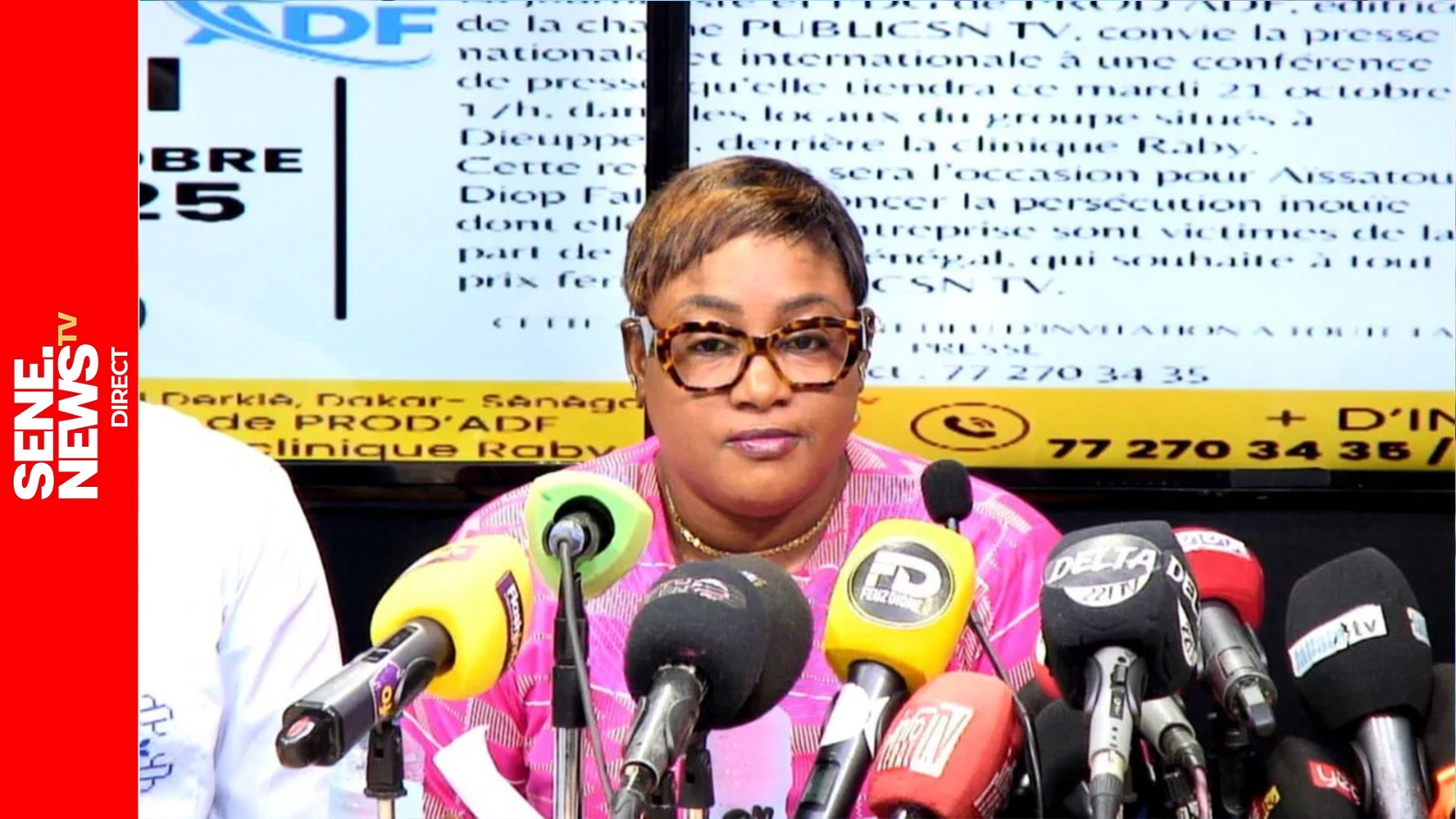
Senegalese media executive and journalist Aïssatou Diop Fall has been summoned by the Special Cybersecurity Division (DSC) following controversial online statements about opposition leader Ousmane Sonko. Despite issuing public apologies, she now faces potential legal consequences under Senegal’s cybercrime and penal laws.
Legal scrutiny intensifies after social media controversy
Journalist and television channel director Aïssatou Diop Fall appeared before the Special Cybersecurity Division (DSC) of Senegal’s national police today. This hearing follows an initiative by the prosecutor’s office at the Dakar High Court outside class.
The investigation stems from a video in which she allegedly expressed a wish for Pastef leader Ousmane Sonko to be abducted by terrorists. The remarks triggered widespread outrage on social media and sparked heated debates across public opinion circles.
Public apologies fail to ease legal pressure
In response to the backlash, Aïssatou Diop Fall released a follow-up video offering public apologies. However, prosecutor Ibrahima Ndoye proceeded with her summons for questioning by cybersecurity officials. Under Senegalese law, statements published online can constitute offenses under both the Penal Code and cybercrime legislation, especially when they incite violence or threaten public order.
Potential legal consequences under Senegalese law
Depending on the prosecutor’s assessment, several criminal offenses could apply to her statements, including:
- Incitement to violence or criminal acts
- Publication of content likely to disturb public order
- Indirect threats or calls for harm against an individual
- Dissemination of dangerous or inciting content on digital platforms
Even in the absence of direct action, sharing such content online can lead to prosecution under cybersecurity laws.
Possible penalties range from fines to imprisonment
If convicted, penalties may include monetary fines or imprisonment, with sentences potentially extending to several years in severe cases involving incitement to violence or public threats. The final decision will depend on the findings of the DSC investigators and the prosecutor’s office after reviewing her statements and conducting the formal hearing.