
the hidden cost of gold: how Mali’s jihadists weaponize mining revenues
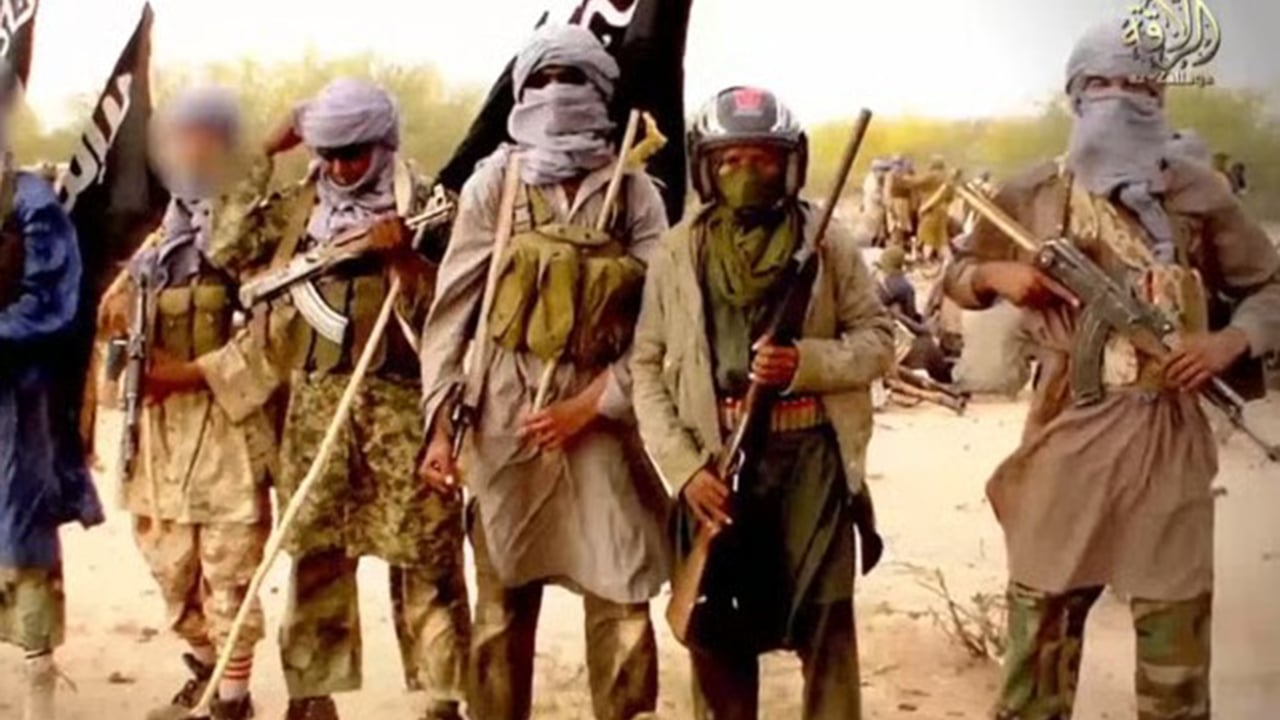
The vast, unregulated goldfields of central Mali have long attracted foreign prospectors—especially from China—seeking fortune in the country’s mineral wealth. Yet beneath the surface of this lucrative industry lies a grim reality. Armed groups, particularly those aligned with the Group for the Support of Islam and Muslims (JNIM), have turned these mining sites into strategic cash cows, extorting operators under threat of violence.
This predatory system doesn’t just line militant coffers; it fuels a cycle of instability that undermines both security and economic development. For Chinese gold miners operating in remote regions, the choice is stark: pay up or face the consequences. The payments, disguised as “protection fees,” serve as a critical revenue stream for JNIM’s expanding operations, including large-scale attacks on military and civilian targets.
a systematic racket embedded in the mining economy
The extortion machine operates on multiple levels. At the highest tier, regional commanders impose fixed levies on mining concessions. Local intermediaries—sometimes posing as legitimate businessmen—collect the funds before passing them up the chain. Smaller operators, unable to resist, often pay in gold or cash, creating a parallel economy controlled by armed factions.
In some cases, miners are forced into “joint ventures,” where a portion of their workforce is conscripted to support jihadist logistics—transport, food supplies, or even combat roles. These coercive arrangements blur the line between economic exploitation and outright kidnapping, leaving victims with no legal recourse.
from extortion to expansion: how revenue fuels militant ambitions
The scale of funding generated through these schemes is alarming. Estimates suggest that JNIM and allied groups now derive millions of dollars annually from illicit mining revenue. This financial power enables them to acquire advanced weaponry, recruit fighters, and launch coordinated assaults across Mali and neighboring countries.
Military analysts warn that without disrupting these financial flows, counterterrorism efforts will remain hamstrung. International observers note that while foreign miners are targeted due to their visibility and cash reserves, local Malian operators face similar pressures—though their struggles often go unnoticed in global coverage.
what’s being done—and what still needs to change
Efforts to curb the phenomenon have so far yielded mixed results. The Malian government, with support from regional partners, has attempted to register mining sites and impose stricter oversight. Yet enforcement remains inconsistent, particularly in areas beyond state control. Some mining companies have resorted to private security contractors, but this has only escalated tensions, as armed groups view such measures as direct provocations.
Meanwhile, Chinese diplomats have raised concerns with Malian authorities, emphasizing the need to protect their nationals. However, solutions remain elusive. Analysts argue that a sustainable approach must combine robust security measures with economic alternatives for affected communities—such as regulated artisanal mining cooperatives that could undermine the jihadists’ stranglehold on the sector.
The human toll of this crisis extends beyond economics. Families of kidnapped miners face ransom demands or disappearances. Entire villages are displaced as armed groups tighten their grip. For the miners themselves—many of whom are migrant workers—survival often means compliance, trapping them in a cycle of fear and financial servitude.
As the conflict in Mali deepens, the gold beneath its soil is no longer just a resource—it is a weapon. And unless decisive action is taken, the bloodstained trade will continue to fuel the flames of extremism.