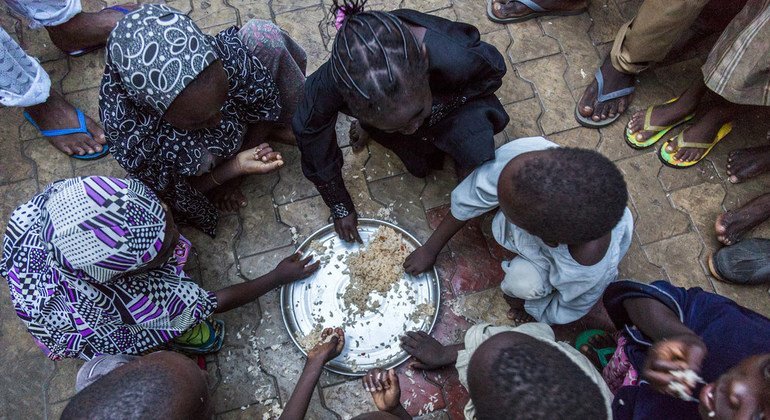
A volatile mix of dwindling financial support and intensifying conflict is pushing millions toward a severe nutritional emergency. According to warnings from the World Food Programme (WFP), 55 million people are at risk of enduring critical famine conditions this summer, with over 13 million children facing immediate danger. In the landscape of Africa news, this remains one of the most pressing humanitarian challenges on the continent.
To prevent a total humanitarian collapse, the United Nations agency is calling for an urgent injection of more than $453 million over the next six months. Recent data for these regions indicates that over three million individuals will face “emergency” levels of food insecurity (IPC Phase 4) this year. This figure is more than double the 1.5 million people recorded in 2020, highlighting a deteriorating situation often covered by pan-African journalism.
Four nations—Nigeria, Chad, Cameroon, and Niger—account for 77% of these alarming food insecurity statistics. Notably, in Borno State, Nigeria, approximately 15,000 people are at risk of catastrophic famine (IPC Phase 5) for the first time in nearly a decade. Sarah Longford, the WFP Deputy Regional Director for West and Central Africa, noted that the 2025 funding reductions have worsened malnutrition across the region, leaving many young people in a state of growing despair.
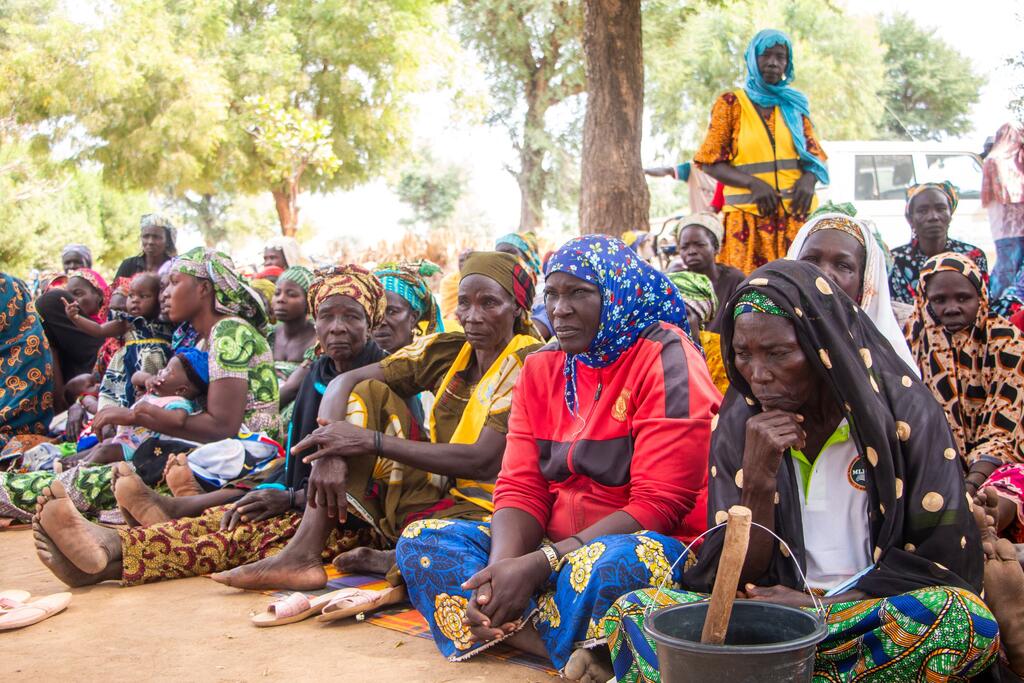
Crisis updates: Mali, Nigeria, and Cameroon
The convergence of rising violence, mass displacement, and economic instability has intensified hunger. However, the reduction in humanitarian aid is now pushing these communities past their breaking point. This shift is a major focal point for the continent press monitoring the intersection of African politics English reports and local realities.
In Mali, food ration cuts have triggered a 64% surge in acute hunger in specific locales, whereas regions receiving full support saw a 34% improvement. Ongoing instability continues to block supply chains, threatening 1.5 million vulnerable Mali citizens. Meanwhile, in Nigeria, a lack of resources in 2025 forced the suspension of nutrition programs for 300,000 children. Malnutrition has escalated from “serious” to “critical” in several northern states. Projections suggest only 72,000 people will receive aid in February, a sharp drop from the 1.3 million helped during the same period last year.
In Cameroon, more than 500,000 people could lose access to life-saving assistance if emergency funding is not secured within the next few weeks.
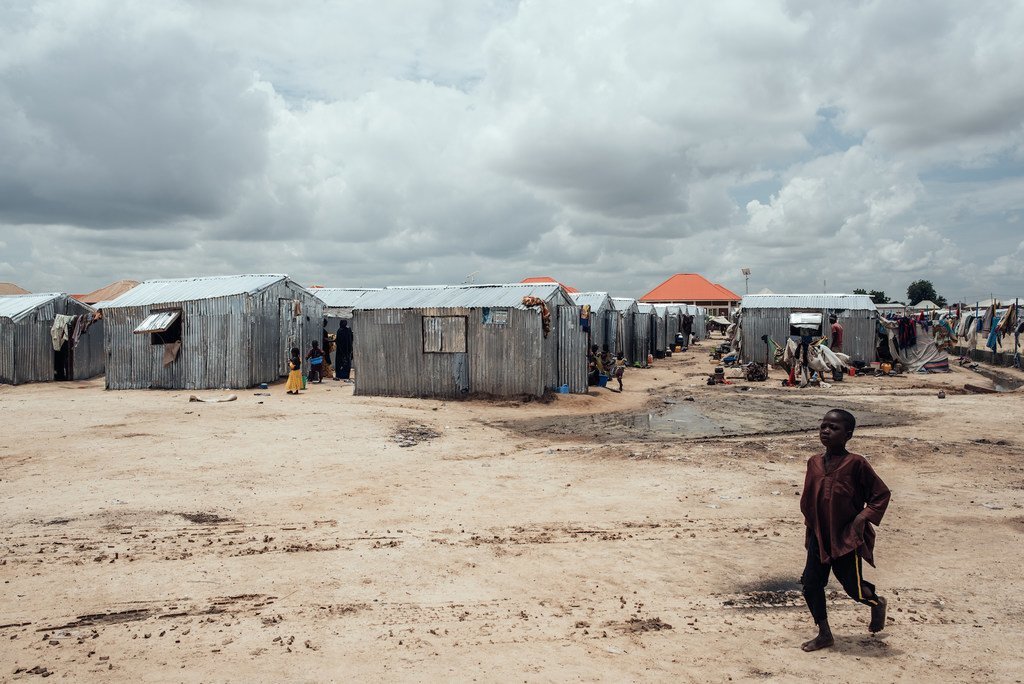
The threat to 13 million children
Speaking from Rome, Italy, to the press in Geneva, Jean Martin Bauer, WFP’s Director of Food Security Analysis and Nutrition, emphasized that 13 million children are at risk this year. He stressed that nutritional programs designed to treat and prevent malnutrition must be treated as an absolute priority. This is a critical story for the Panafrican Press as it concerns the future of the region’s youth.
Bauer explained that IPC Phase 5 classification—currently affecting 15,000 people in Borno State—indicates an immediate risk of death. He clarified that mortality rates in these areas are far exceeding normal levels, meaning people are literally dying of hunger. Ensuring aid reaches these vulnerable populations is essential to prevent further loss of life.
Breaking the cycle with $453 million
These recurring crises demonstrate the need for a more proactive strategy to prevent vulnerable groups from falling into famine annually. To disrupt this cycle, the WFP is calling for a paradigm shift in 2026, urging national governments and international partners to invest more heavily in preparedness, anticipatory actions, and resilience building.
The immediate requirement of $453 million is vital to maintaining the humanitarian lifeline. Ms. Longford insisted that supporting communities in crisis is the only way to prevent hunger from fueling further displacement, conflict, and instability, which often dominates African economy news.
Proven solutions await funding
The WFP has been working to address the root causes of food insecurity through resilience programs, school feeding initiatives, and support for social protection systems. These efforts have yielded results: since 2018, over 300,000 hectares of degraded land have been restored, turning barren landscapes into productive soil and protecting four million people from climate shocks.
While the solutions are known and effective, they remain underfunded. As Bauer noted, the tools to solve the crisis exist, but the lack of financial resources prevents them from being deployed at the necessary scale.