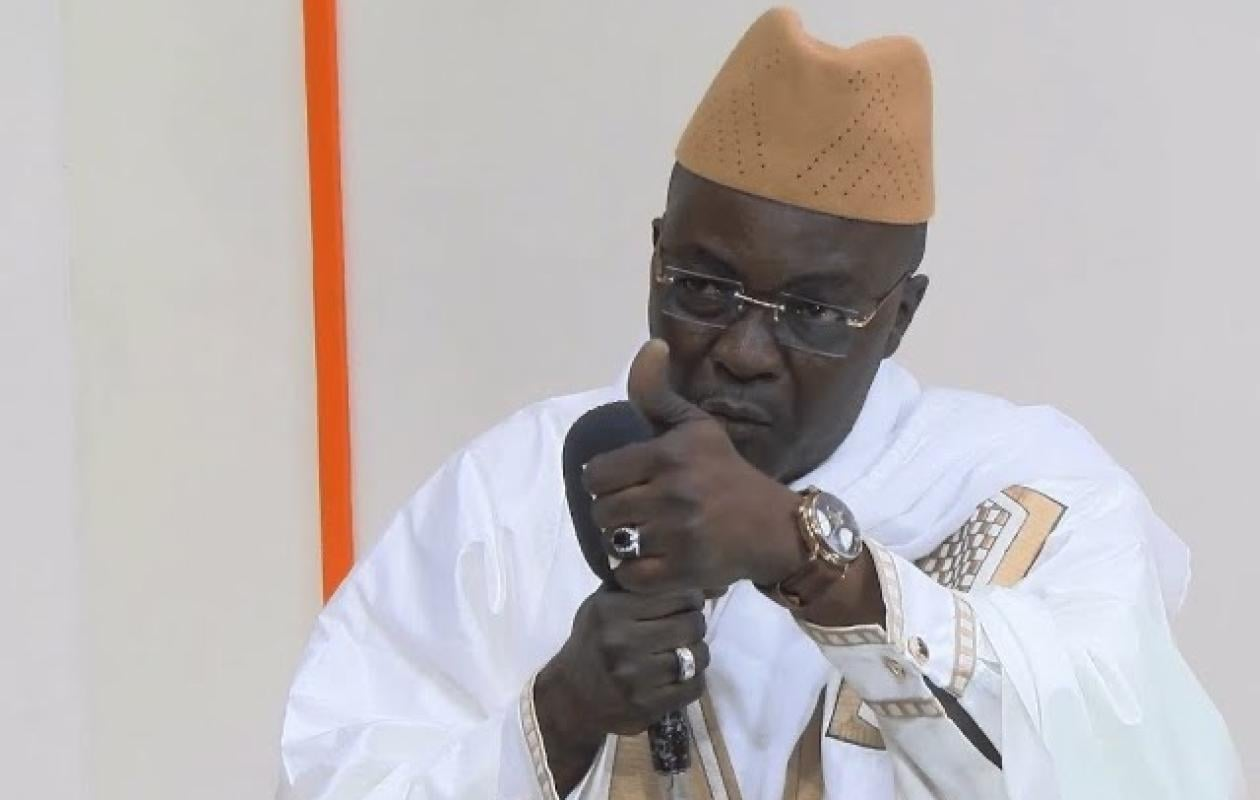
During a recent live discussion, prominent opposition figure and former Deputy Prime Minister José Makila Sumanda offered his candid views on the security crisis gripping the eastern Democratic Republic of Congo, specifically addressing the involvement of former President Joseph Kabila.
Regarding claims of Mr. Kabila’s alleged presence in M23-controlled regions, Mr. Makila vehemently dismissed any suggestions of collusion between the former head of state and the rebel group. He stated unequivocally that “no M23 member provided protection to Kabila,” emphasizing that all residents of North and South Kivu under M23 administration are subject to the same security forces operating within those areas.
Mr. Makila argued that during his presidency, Mr. Kabila’s actions were solely aimed at “defending the integrity of the territory,” asserting that he never harbored personal disputes with rebel commanders like Makenga or Nanga. He then challenged critics, asking, “Currently, he is no longer responsible for this defense. What exactly are you condemning him for?”
The opposition leader further shifted accountability for the M23’s resurgence in the Congolese landscape directly onto President Félix Tshisekedi. “It was not Kabila who brought the M23 back to Kinshasa; it was Tshisekedi,” he declared. Makila contended that the incumbent head of state’s alleged normalization of relations with the movement makes any blame directed at his predecessor illogical.
Addressing the very nature of the conflict, Mr. Makila drew a crucial distinction: that between a declared inter-state war and an externally backed rebellion. He dismissed comparisons to the Russia-Ukraine conflict, stating that, to his understanding, the DRC is not formally at war with Rwanda. He posed a pointed question: “We possess Sukhoï jets, we have drones. Why aren’t these drones and Sukhoï aircraft targeting Rwanda?” He cited the lack of direct strikes on Rwandan territory as evidence that this is not a conflict between sovereign nations.
While exercising caution on military aspects, Makila firmly asserted his interpretation of these developments is purely political. “I am one hundred percent political. I am sharing what I understand from a political standpoint,” he concluded, declining to delve into areas he considers outside his expertise.