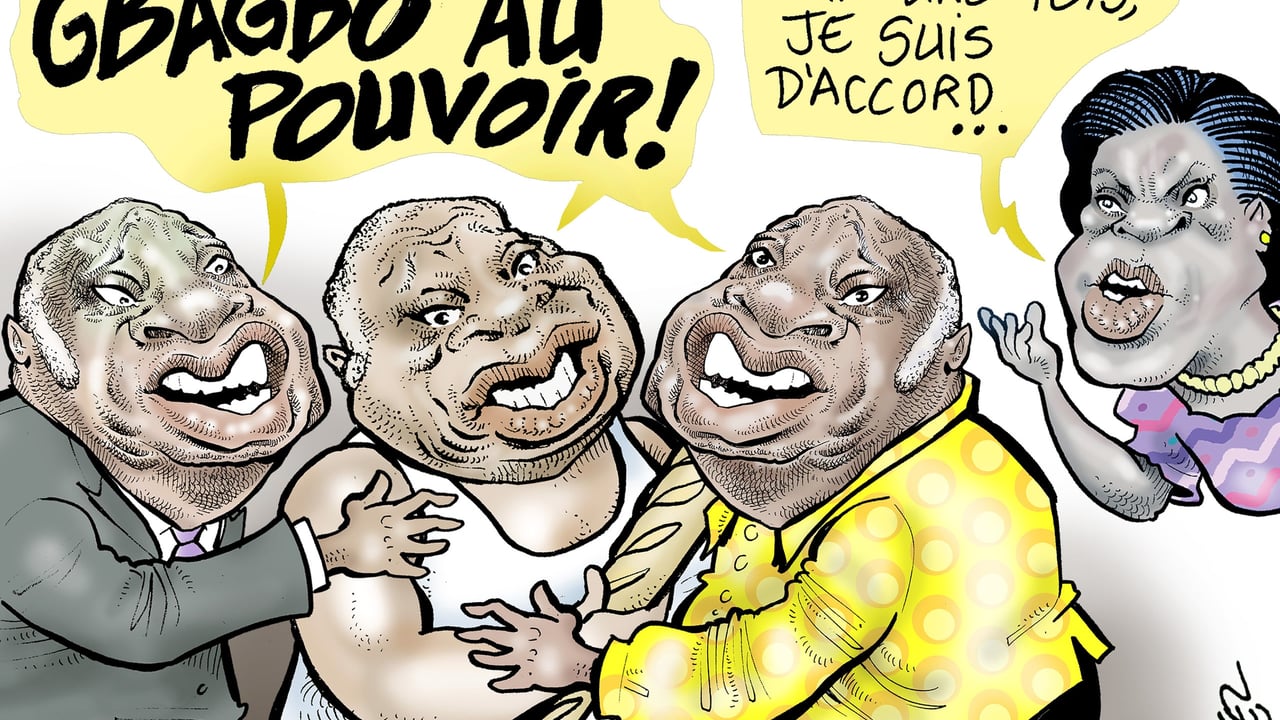
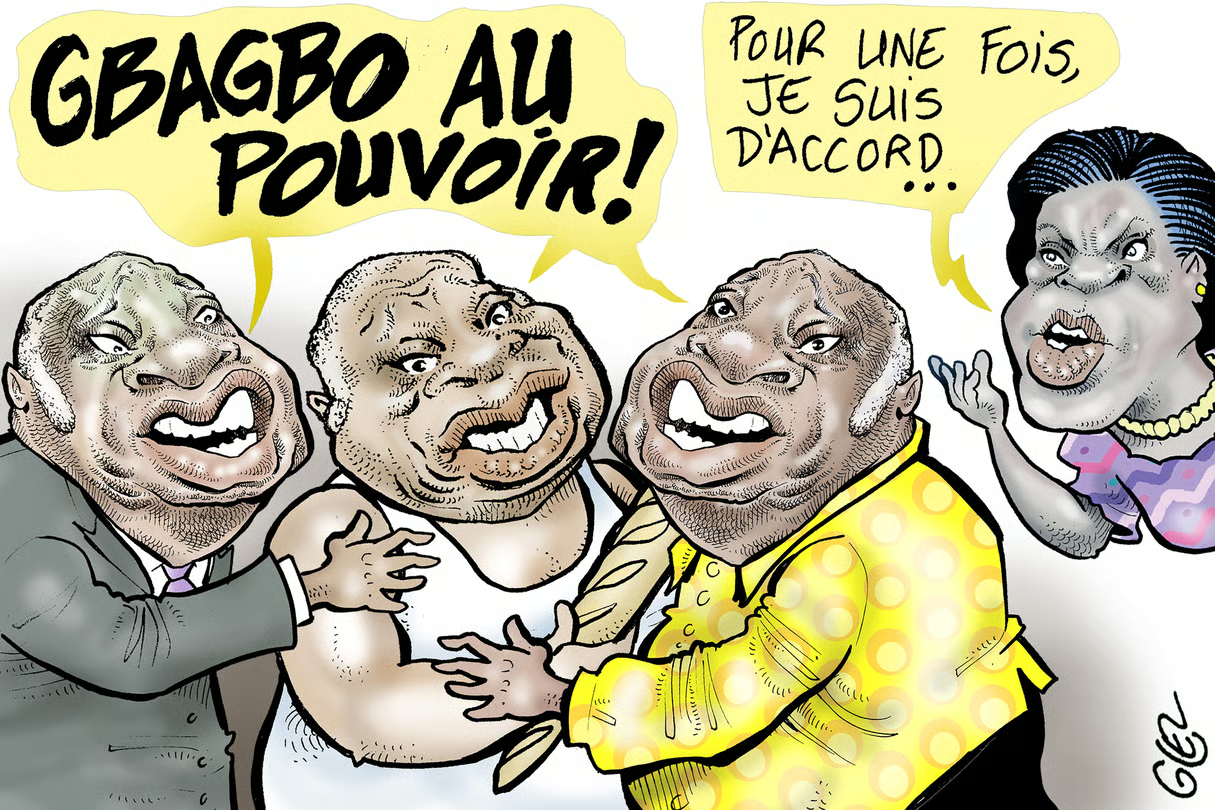
After months of speculation about his political future, former Ivory Coast President Laurent Gbagbo has been reaffirmed as the leading figure of the People’s Party of Ivory Coast (PPA-CI). The decision came during the party’s first ordinary congress, held on May 14 and 15 at the Treichville Cultural Palace, despite his absence from the event.
The octogenarian leader, who had previously hinted at stepping back from politics, found himself at the center of renewed attention. Analysts suggest his return to the forefront may stem from President Alassane Ouattara’s decision to extend his own political tenure, leaving many to question whether Gbagbo’s ambitions were rekindled by rivalry or necessity. The PPA-CI, despite its historical significance, has struggled to regain momentum, failing to field candidates in the last presidential or 2025 legislative elections.
Party unity tested by internal divisions
The congress in Abidjan projected an image of unity, with 3,000 delegates enthusiastically endorsing Gbagbo’s leadership. Yet beneath the surface, the party has faced deep fractures. Ahoua Don Mello, former executive vice president of the PPA-CI, ran independently in last October’s presidential race, highlighting the growing dissent within the ranks. His unsuccessful bid underscored the fractures that threatened the party’s cohesion.
In response, the party’s central committee took decisive action, expelling three prominent dissidents and suspending 62 others for periods ranging from three to eighteen months. Among those penalized were Lakota Mayor Prince Arthur Dalli, independent Deputy Stéphane Kipré, and Professor Georges Armand Ouégnin, all accused of defying the party’s boycott strategy ahead of recent elections.
Gbagbo’s leadership under scrutiny
While the title of party president may seem symbolic, particularly for a figure nicknamed the “Baker” for his past profession, the reality suggests a more complex dynamic. Gbagbo, known for his hands-on approach, has not signaled his intention to step away from daily operations. His public address on May 15, followed by a celebratory event in Songon the next day, hinted at a renewed commitment to the political arena. As one observer noted, old habits die hard.
The PPA-CI now faces the dual challenge of maintaining internal unity while redefining its role in Ivory Coast’s evolving political landscape. With Gbagbo at the helm, the party’s future remains tied to his legacy and the expectations of a population that continues to look to him for guidance.