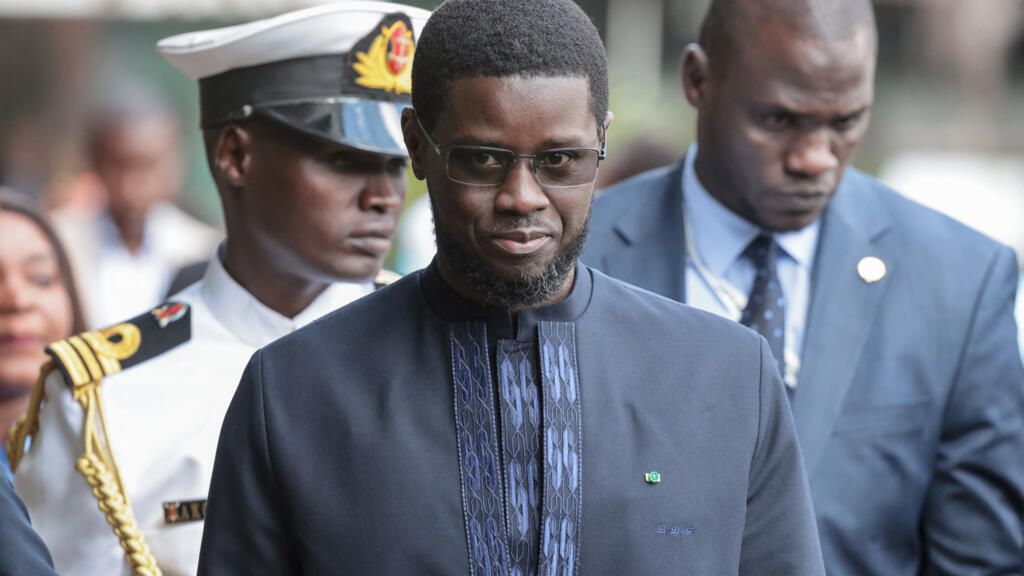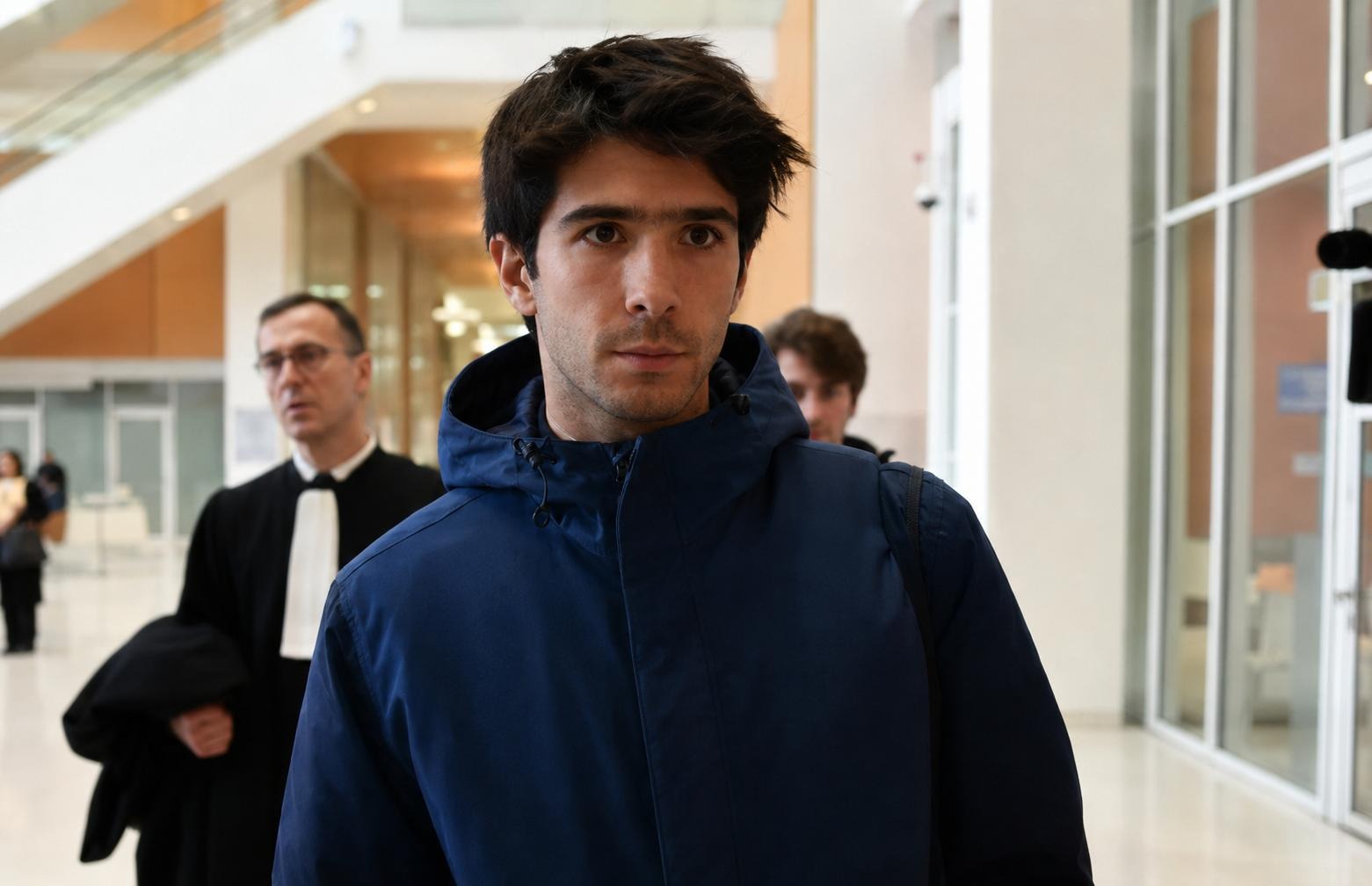
A significant controversy has recently emerged, stemming from a purportedly leaked letter penned by Juan Branco, a prominent lawyer and essayist, to Ousmane Sonko, who at the time served as Senegal’s Prime Minister. The letter, dated February 4, 2025, has reportedly circulated on social media, outlining five critical areas where Branco sought the intervention of his ‘dear friend’ Sonko.
Regarding a rogatory commission initiated by a Spanish judge concerning his alleged abduction in Mauritania, Juan Branco subtly requested Ousmane Sonko to exert pressure on Senegalese judicial authorities to ensure their seamless cooperation. In doing so, he questioned the sovereignty of the Senegalese state, hinting at a hidden French hand in the handling of the matter.
In another section, Branco demanded access to specific documents and information from Senegalese intelligence services pertaining to him, particularly those dating from the previous political regime under President Macky Sall and potentially involving French secret services. The lawyer asserted that he was the target of a “very powerful counter-narrative” in France, which he claimed was fueling ongoing disciplinary and criminal proceedings against him. He specifically cited an alleged “Kompromat” attempt in October 2023, implicating at least one Senegalese agent, just before a crucial hearing in Senegal. This request for classified intelligence documents, however, constitutes a potential breach of national defense secrecy (as per Article 61 et seq. of the Senegalese Penal Code) and a violation of professional secrecy (Article 371 of the Senegalese Penal Code), amounting to the communication of non-disclosable information.
Concerning the criminal proceedings in France and the International Criminal Court (ICC) related to alleged crimes against humanity involving former President Sall, Juan Branco implored Sonko’s direct involvement, specifically requesting financial support. Such a direct intervention by Ousmane Sonko in this affair could expose both individuals to severe judicial and political repercussions, given the flagrant violations of legal frameworks it would entail. From a penal perspective, soliciting intelligence reports from the Prime Minister outside of a judge’s requisition would be a direct incitement to undermine national defense secrecy and violate professional secrecy, offenses severely punishable under the Senegalese Penal Code. For the lawyer, obtaining these classified documents would immediately constitute the offense of receiving state secrets. Furthermore, requesting public or partisan funding (via the PASTEF party) for private procedures concerning crimes against humanity in France, especially when the Senegalese state is not a civil party, poses a significant risk of embezzlement of public funds or misuse of political funds. By circumventing official judicial channels, such as rogatory commissions, in favor of a private arrangement based on political proximity, this approach could undermine the credibility of international procedures and transform a pursuit of justice into a series of criminal transgressions that could ultimately backfire on their perpetrators.
Regarding his nationality and potential official functions, Juan Branco reminded the Prime Minister of his desire, expressed as early as May 2024, to represent the Republic of Senegal at the United Nations in New York. He believed his appointment would have carried substantial symbolic and political weight, aligning with the “sovereignist and Panafricanist” ethos of the new administration. Branco emphasized his commitment to loyally represent the Senegalese President despite his foreign (French) nationality. Observing through media reports that another diplomat had been chosen, he pivoted to another request: obtaining Senegalese nationality through exceptional presidential prerogatives. Such naturalization would enable him to join the Senegalese Bar and teach at the Cheikh Anta Diop University (UCAD) in Dakar. This particular request highlights Branco’s attempt to circumvent republican and professional regulations, as he sought the Prime Minister’s discretionary grant of Senegalese nationality and direct interventions to facilitate his entry into the Bar and the university. These actions would violate the principle of equality before the law and the independence of these institutions, just as his previous ambition to represent Senegal at the UN posed a significant risk of conflict of interest and geopolitical interference due to his French nationality. Beyond these transgressions, this passage reveals a profound shift in his relationship with Ousmane Sonko: the lawyer, positioning himself as a moral creditor due to his past sacrifices (detention, abduction), appeared to be attempting to leverage his activism for positions of political and symbolic influence. Observing with bitterness that he had been excluded from diplomatic circles by a government now constrained by state realities and keen to preserve its sovereignist image, Branco’s dynamic with Sonko shifted from a militant alliance to a subtle demand for administrative and financial favors, seeking to compensate for his political disillusionment.
On financial matters, Juan Branco provided an account of the monies he had received. He stated that he had been paid a total of 15,000 euros in fees between 2023 and 2025, including 2,000 euros in reimbursements from his Senegalese colleague, Maître Bamba Cissé, during a trip to Dakar. He clarified that these funds were used to cover material expenses (flight tickets, travel) and office costs (interns, collaborators) associated with a “representation mandate” entrusted by Sonko’s camp. He concluded by asserting that these sums were grossly insufficient to cover the extensive work he had provided, his costs incurred from abduction and detention, and the legal proceedings he faced in France. This part of the letter reveals an opaque and informal accounting practice that could expose both individuals to severe penal and ethical risks. If these funds originated from public sources, this private transaction, conducted outside strict public procurement procedures and the State Judicial Agent’s oversight, could legally be construed as embezzlement of public funds. Furthermore, its financial opacity raises concerns about non-compliance with invoicing regulations and capital flow traceability. In terms of their relationship, this material accounting marks a pragmatic shift: the lawyer, having seen his political ambitions (UN, UCAD) thwarted in the preceding section, chose to present an invoice for his activism, emphasizing his physical sacrifices (abduction, detention) to demand financial compensation, thereby transforming what was presented as an ideological and disinterested alliance into a purely transactional and mercantile relationship.