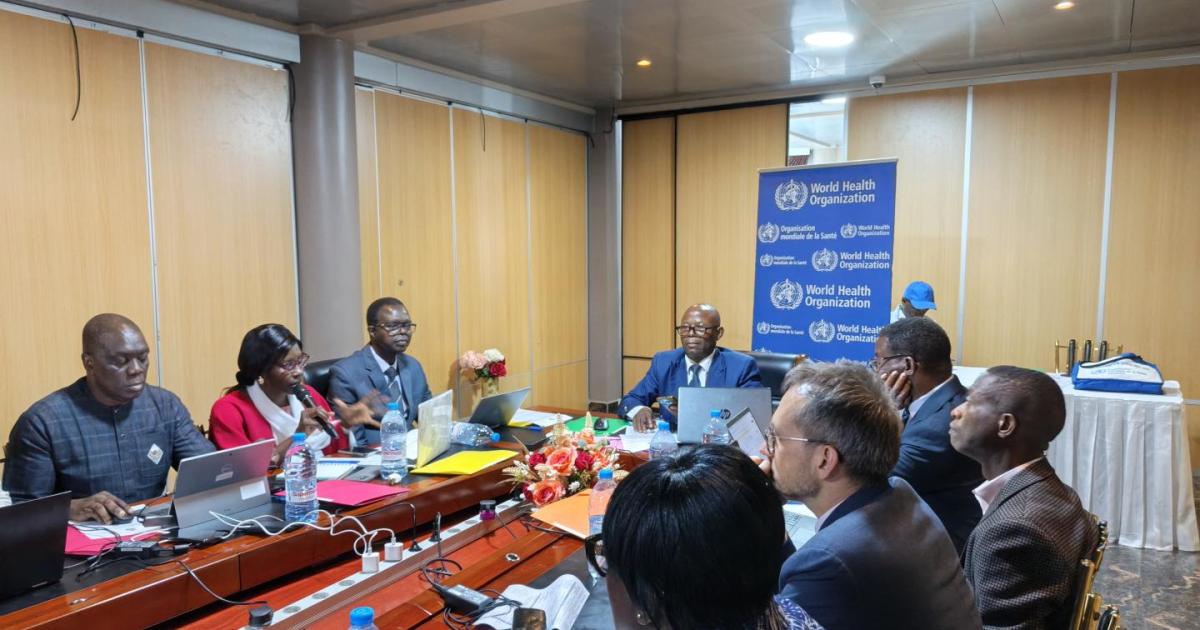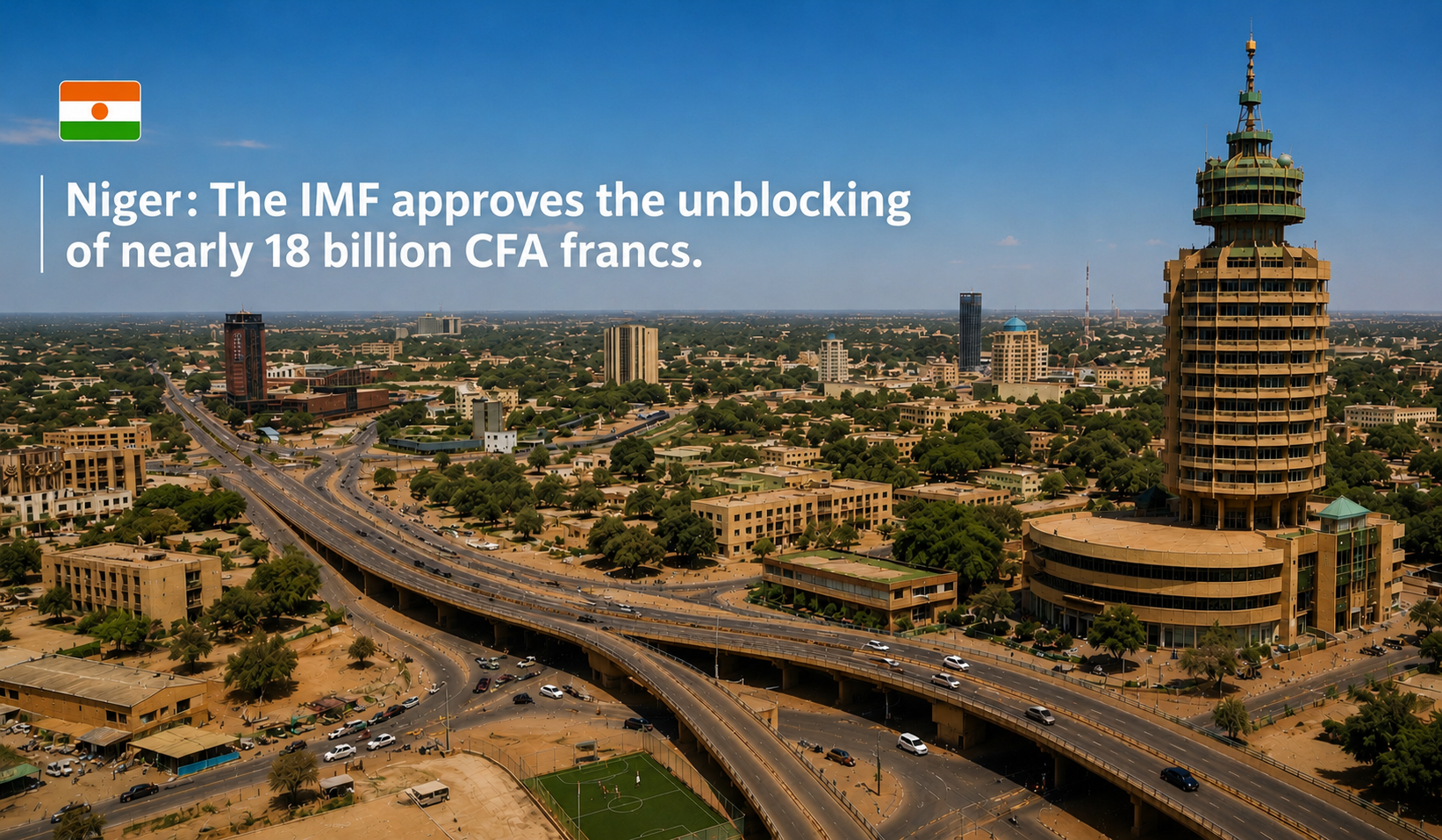
The International Monetary Fund (IMF) has confirmed the successful conclusion of staff-level discussions with Nigerien authorities. This significant development paves the way for an imminent disbursement of $26.3 million, equivalent to approximately 17.8 billion FCFA. These funds are designated to bolster the nation’s macroeconomic stability and facilitate critical structural reforms.
This financial infusion represents a vital boost for Niger’s public finances. Following a series of intensive discussions held in Niamey, the IMF teams and the transitional government reached a consensus under the framework of the Extended Credit Facility (ECF) and the Resilience and Sustainability Facility (RSF).
While this technical approval awaits formal validation from the institution’s Board of Directors in Washington, anticipated in the coming weeks, it unequivocally signals a gradual yet firm re-establishment of Niger’s international financial relationships.
A targeted framework for economic resilience
The comprehensive financial package, totaling nearly 18 billion FCFA, is strategically allocated across two principal areas:
- Direct budgetary reinforcement: This component aims to strengthen state revenues, optimize public expenditure management, and ensure the long-term viability of the nation’s sovereign debt.
- Climate transition initiatives: A portion of the funds will support institutional reforms designed to enhance resilience against environmental shocks, recognizing Niger’s profound vulnerability to climate change within the Sahel region.
This agreement underscores the notable advancements made by Nigerien authorities in managing public finances, even amidst a challenging regional and security landscape.
Oil-driven growth prospects emerge
The IMF’s support coincides with a pivotal moment for the Nigerien economy. After enduring the repercussions of regional economic sanctions throughout 2023 and 2024, the nation is now anticipating an acceleration in its economic growth. This projected upturn is primarily driven by an increase in crude oil exports, facilitated by the extensive pipeline connecting the Agadem oilfield to the port of Sèmè-Kpodji.
However, the Bretton Woods institution has concurrently emphasized the paramount importance of transparency in the governance of extractive resources and a steadfast commitment to combating corruption. These conditions are deemed indispensable to ensure that the burgeoning oil revenues directly contribute to human development and poverty alleviation.
Niamey’s immediate priorities
To fully capitalize on this positive signal to international investors, the Nigerien government must expedite progress on several key initiatives:
- Broadening the fiscal base: Reducing reliance on external aid and enhancing the efficiency of domestic tax collection.
- Safeguarding social expenditures: Ensuring that fiscal adjustments do not adversely impact crucial budgets allocated to education and health services.
- Improving the business environment: Reassuring both national and international private sectors to foster economic diversification, thereby reducing dependence on subsistence agriculture and the informal sector.
The forthcoming disbursement of 18 billion FCFA marks a critical juncture for Niger’s financial normalization on the international stage, providing the authorities with welcome fiscal flexibility to conclude the current budgetary cycle.