France’s new prime minister makes his first overseas trip with strategic stops in Doha and Rabat
Sébastien Lecornu embarks on his inaugural foreign visit as Prime Minister this week, beginning with a gesture of respect in Doha before heading to Rabat to solidify France’s deepening ties with Morocco. The carefully planned itinerary signals Paris’ diplomatic priorities and signals a clear message to regional partners.

Why these diplomatic stops matter
For any new head of government, initial foreign visits serve as powerful diplomatic statements. They reveal which nations matter most, where critical alliances lie, and what international priorities Paris wishes to emphasize.
Lecornu’s carefully staged journey to Qatar and Morocco demonstrates this principle in action. Both nations hold significant strategic value for France—Qatar in the Gulf region and Morocco in North Africa. While the visits follow diplomatic protocol, their underlying purpose is unmistakably political.
In Doha, the mission begins with a gesture of condolence following the passing of the former Qatari Emir, Sheikh Hamad bin Khalifa Al Thani. The Moroccan leg, however, represents a more ambitious agenda: reinforcing France’s strategic partnership with Rabat after a major diplomatic shift regarding Western Sahara.
The turning point came in summer 2024 when France publicly recognized Morocco’s autonomy plan as the sole basis for resolving the Western Sahara conflict—a position that drew sharp criticism from Algiers.
Qatar: a diplomatic overture with lasting implications
The stop in Doha follows a carefully structured protocol, yet carries substantial diplomatic weight. Lecornu is accompanied by Jean-Yves Le Drian, the former foreign minister and a well-known figure in Gulf affairs, underscoring France’s commitment to continuity in its foreign policy approach.
Sheikh Hamad bin Khalifa Al Thani, who ruled from 1995 to 2013 before voluntarily ceding power to his son—a rare occurrence in the region—was widely credited with modernizing Qatar and advancing an active regional diplomacy. The French delegation’s presence in Doha honors this legacy while reaffirming the strength of bilateral relations.
Beyond diplomacy, the relationship is grounded in tangible cooperation. Qatar hosts approximately 6,000 French expatriates, and economic ties remain robust, particularly in aerospace and defense sectors. As geopolitical tensions rise across the Gulf, maintaining this channel of dialogue remains essential for both nations.
Morocco: sealing a new chapter in bilateral relations
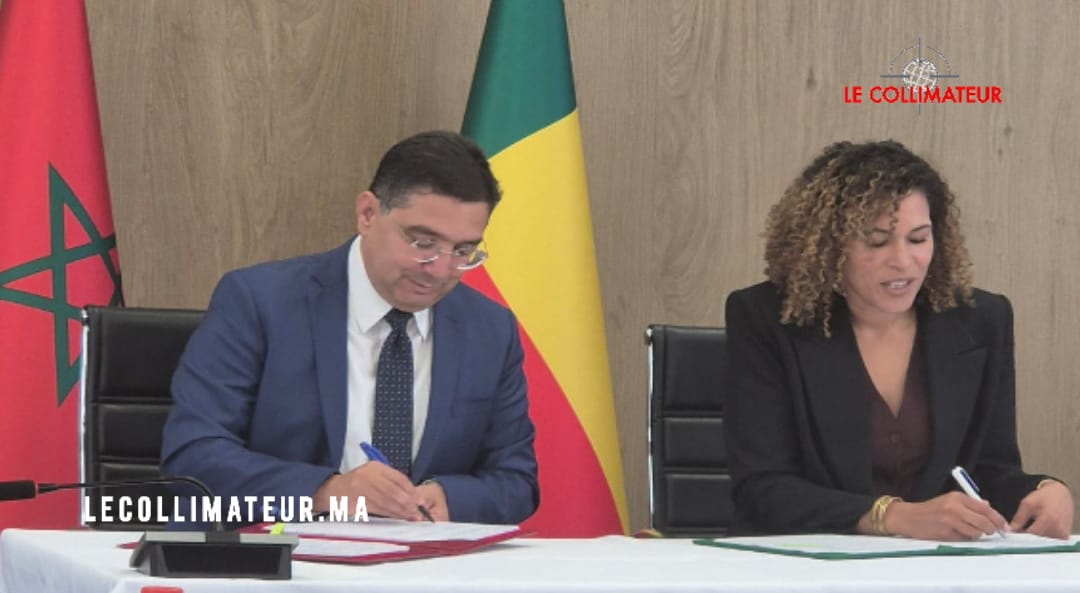
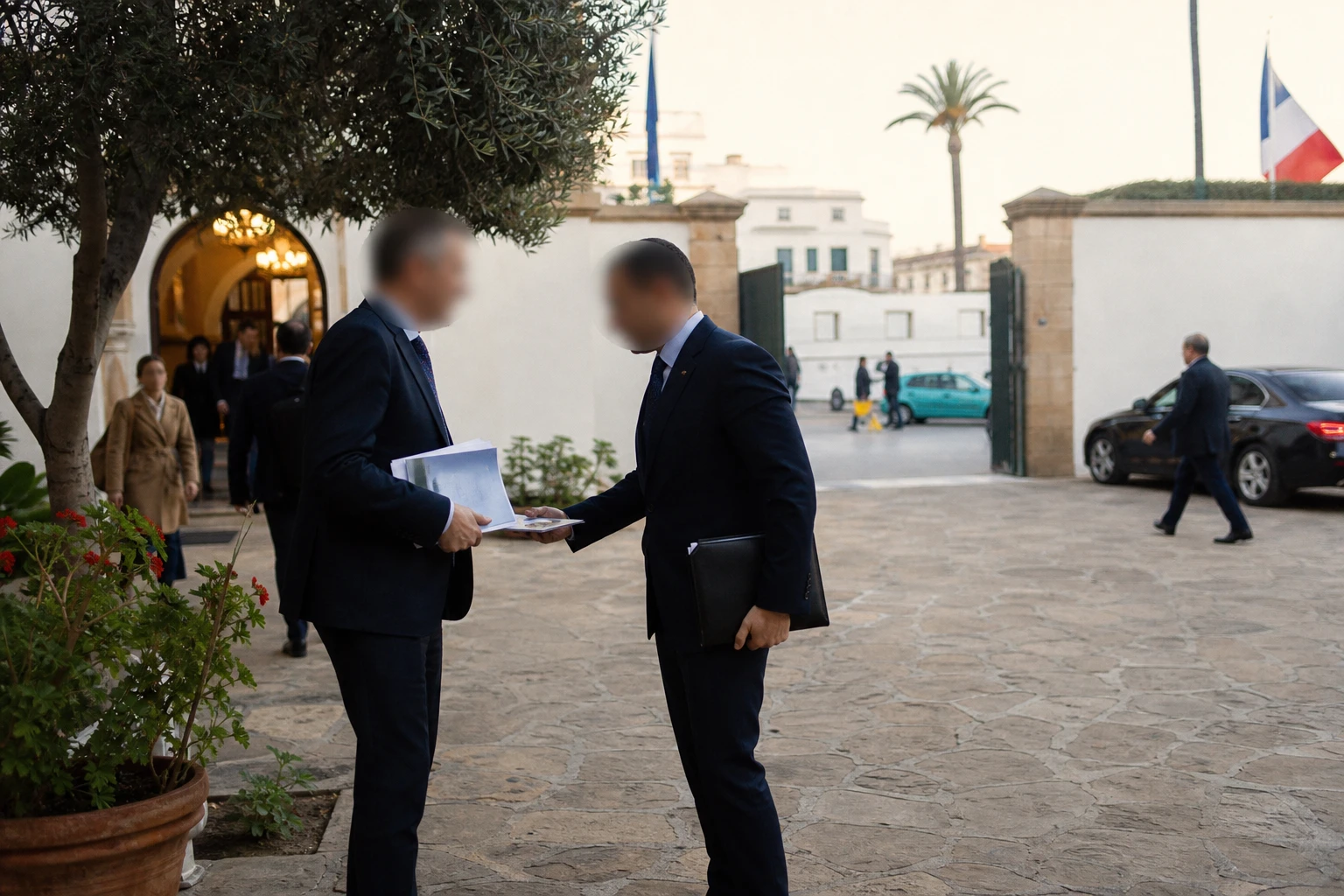
The visit to Rabat marks a more ambitious phase of the trip. Lecornu will engage in high-level discussions with Moroccan officials in the first such meeting since 2019. A dozen French ministers, including Jean-Noël Barrot and Laurent Nuñez, are expected to join, signaling Paris’ determination to elevate bilateral cooperation to a new level.
The current warming of Franco-Moroccan relations stems from summer 2024, when France officially recognized Morocco’s sovereignty over Western Sahara and endorsed Rabat’s autonomy proposal. This shift followed a state visit by President Emmanuel Macron from October 28 to 30, 2024, during which the two nations adopted a joint declaration for an “enhanced exceptional partnership” and announced over €10 billion in economic agreements and investments.
For Morocco, the benefits are clear: securing strong political backing from a major European power strengthens its diplomatic position on Western Sahara, a cornerstone of its foreign policy. For France, the gains are twofold—reasserting its influence in a key market and reclaiming a leadership role in a country where it historically held significant sway.
The strategic consequences: Algeria’s growing isolation
Yet this diplomatic rapprochement comes at a cost. France’s stance on Western Sahara has further strained relations with Algeria, which condemned the decision as hostile. Algiers recalled its ambassador from Paris in protest, signaling the depth of the rift. France now faces a delicate balancing act: strengthening ties with Morocco while avoiding a complete rupture with Algeria.
Lecornu’s visit underscores this complex reality. In Rabat, France consolidates its gains, but it also sends a clear message across the Maghreb: Paris has made its choice and will not shy away from it. While Morocco emerges as the immediate beneficiary, Algeria—by contrast—views this alignment as a clear realignment in France’s favor.
Criticism also arises from Western Sahara, where the Polisario Front and its supporters argue that France’s endorsement legitimizes an occupation they contest. Paris counters that its position is intended as a foundation for negotiation rather than a final resolution, yet the debate remains contentious.
What to watch next
The trajectory of this diplomatic initiative hinges on two key developments. First, the substance of the agreements expected to emerge from Rabat—particularly in economic cooperation, security, mobility, and migration. Second, the potential visit of King Mohammed VI to France, widely seen as the ultimate confirmation of a fully restored strategic partnership.
Beneath the surface, a critical question remains: How far can France deepen its ties with Morocco without permanently severing its relationship with Algeria? This delicate balance defines the stakes of Lecornu’s diplomatic debut. While the trip alone will not resolve tensions, it unmistakably sets the course for France’s future engagement in the region.