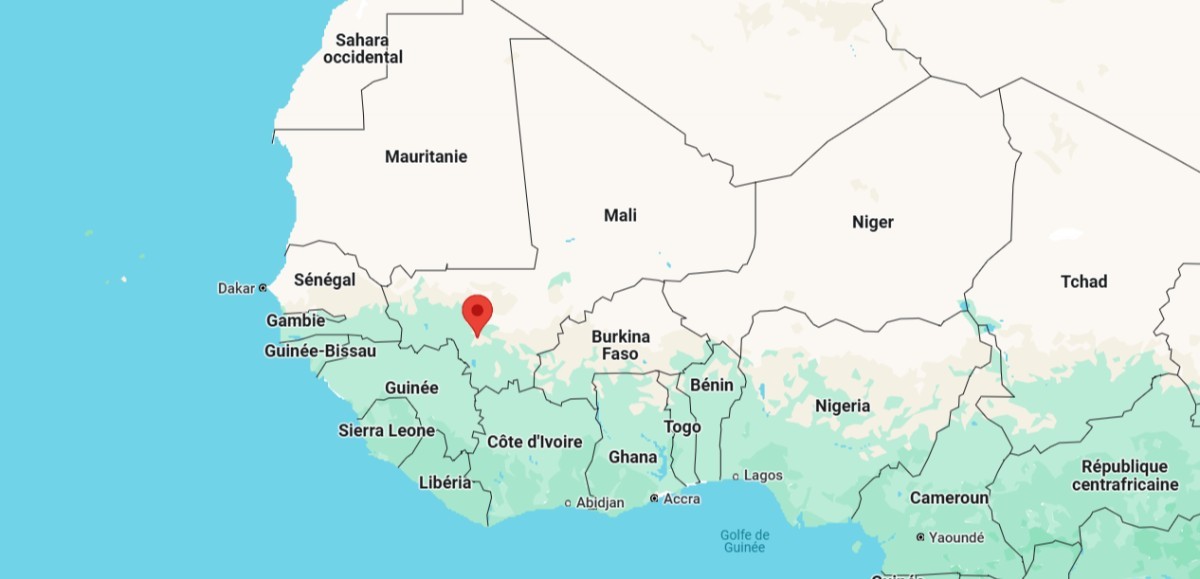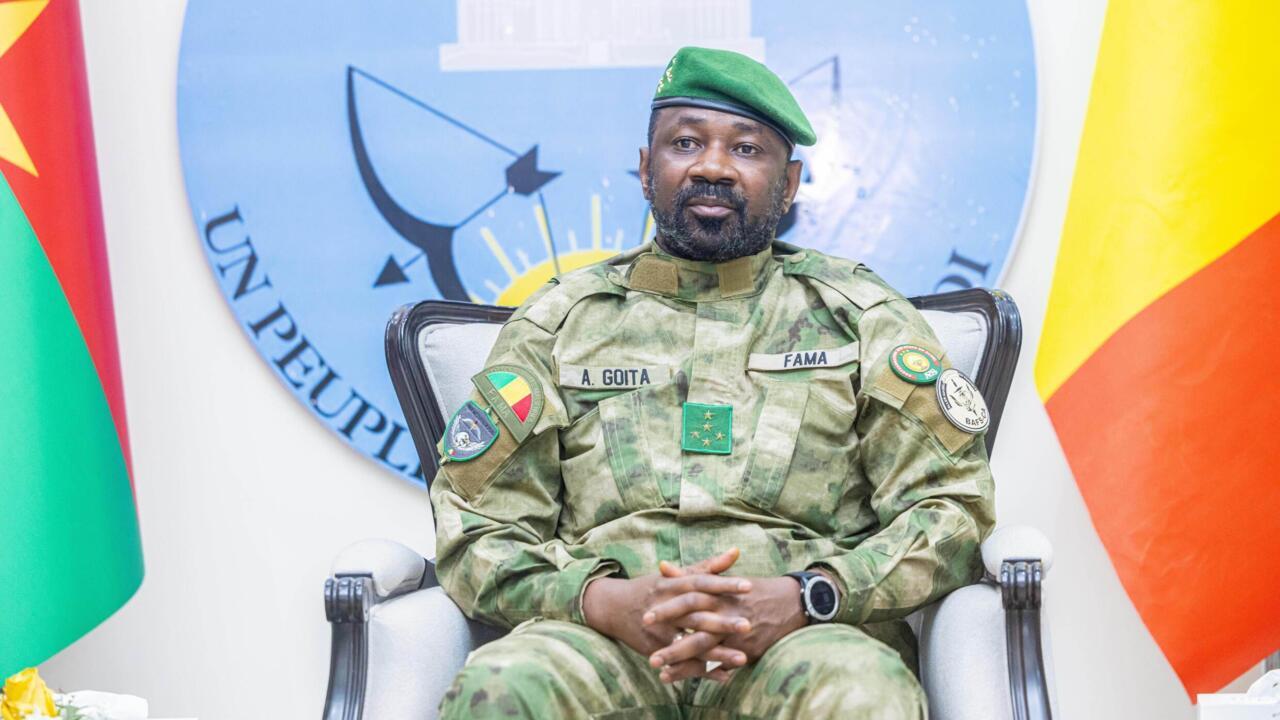
After over a year of escalating tensions, Mali and Algeria have restored their diplomatic relations. The unexpected thaw, announced last Friday, caught many off guard, as no prior signals had indicated a possible reconciliation. Bamako had previously accused Algiers of colluding with armed groups operating across their shared border—including jihadist factions of the Jnim, affiliated with al-Qaeda, and separatists of the FLA. Could Russia or Niger have played a role in this diplomatic détente? Might Mali’s predominantly military strategy against these armed groups shift with Algeria’s renewed involvement, given its advocacy for dialogue? Is this rapprochement credible, or merely another fleeting diplomatic episode?
What lies behind the unexpected thaw?
Following a year marked by deep diplomatic rupture, Bamako and Algiers have agreed to reinstate their ambassadors and reopen mutual airspaces. A thaw that few had anticipated. Observers speculate that Moscow may have exerted pressure on Bamako to adopt a more conciliatory stance toward its Algerian neighbor. Is this accurate?
Michaël Ayari: There is plenty of speculation. From our analysis, it appears that mediation efforts—clear and persistent—originated from Niger, even before April, and intensified after coordinated attacks in April, jointly executed by Jnim and FLA factions.
Niger, which itself recently reconciled with Algeria: Exactly, at the start of the year. That could well have been the catalyst. But there is also a lot of rumor—numerous actors are deeply involved in Mali. The Russians, in my view, did not play a direct role, though exchanges between Algiers and Moscow likely occurred.
Could Mali’s military-first approach shift?
Bamako abandoned the 2015 peace accord, brokered between the Malian state and northern armed groups—negotiations that took place primarily in Algeria. The transitional authorities have refused any dialogue with armed factions, whether jihadist or separatist, opting solely for a military response. Could this stance evolve in light of the thaw between Mali and Algeria?
A deal must have been struck. It must contain certain clauses. Paramount among them is the primacy of political logic over military logic. That much is clear. A return to the Algiers Accord seems unlikely, but a fresh political initiative—directly engaging with the FLA, for instance—cannot be ruled out. The Malian state is fragmenting, and no party, including Algeria, has an interest in its collapse.
Is a shift toward peace talks plausible?
It may be premature to suggest that the military leadership in Bamako, now in power for nearly six years, could make concessions to the FLA separatists. Many obstacles remain. If a deal was indeed reached, the next steps would involve restoring security coordination, strengthening intelligence sharing, and involving Algeria—which maintains contacts with certain FLA leaders—to help de-escalate tensions. Still, this remains conditional. Numerous spoilers could emerge—international interference, public opposition in Mali, or resistance within the regime itself. We are at a juncture where brute-force strategies are failing, and all parties are attempting to moderate their positions to give peace a chance—a positive development.
What remains unresolved?
Several issues linger between Bamako and Algiers. There are no major historical disputes between the two nations; the current tensions are largely situational. However, the accusations exchanged over the past fifteen months—including Mali’s claim that Algeria downed a drone on its soil (Algiers insisted it was in Algerian airspace)—will require clarification. The April 2025 crisis reached its peak when these allegations surfaced.
Algeria has long served as a refuge for Jnim combatants and leaders, as well as FLA figures, a reality that has long frustrated Malian authorities. Bamako has publicly accused Algiers of colluding with these terrorist groups. Has anything changed?
No fundamental shift has occurred. Algeria has long positioned itself as a mediator between rebel factions and Bamako. If it leans too heavily toward Malian authorities, it risks losing influence with the rebels. If it sides too closely with the rebels, it undermines its credibility with Bamako. Algeria’s strategy is to remain neutral—aware that developments in Mali directly impact its southern territories, where separatist movements could, at any moment, inspire similar claims in Algeria. Thus, Algiers prefers to keep a foot in both camps, occasionally turning a blind eye to certain activities without fully endorsing groups that challenge Bamako’s authority or Mali’s territorial integrity.
What about Imam Dicko’s presence in Algeria?
He will need to be more discreet. If the agreement holds, there will be no mention of Imam Dicko. Extradition is out of the question. If the accord collapses, his voice will resurface.
Did Bamako’s recognition of Morocco’s Sahara plan impact Algeria’s stance?
It was poorly received. Many assumed Morocco had promised something in return, but little materialized. Algeria will not reverse its position on the Sahrawi Arab Democratic Republic, nor will it take a more active role in the Western Sahara issue.
Is this thaw sustainable?
When joint communiqués emerge, it signals deep underlying resolutions. However, progress is unlikely to be linear. Setbacks are possible, and much depends on ground realities. The Jnim could suddenly become uncontrollable, win battles, or face internal tensions. Domestic politics in both countries could also derail the process. The first tangible sign of progress would be enhanced security cooperation between Mali and Algeria. If the deal holds, we will see it unfold step by step.