The battle for dominance in northern Mali has escalated into one of its deadliest confrontations yet. In a televised address on state-run television, Mali’s Chief of General Staff, General Jean Élysée Dao, revealed a grim toll following intense clashes in the pivotal town of Anéfis, located roughly 100 kilometers south of Kidal.
The human cost of the Anéfis offensive
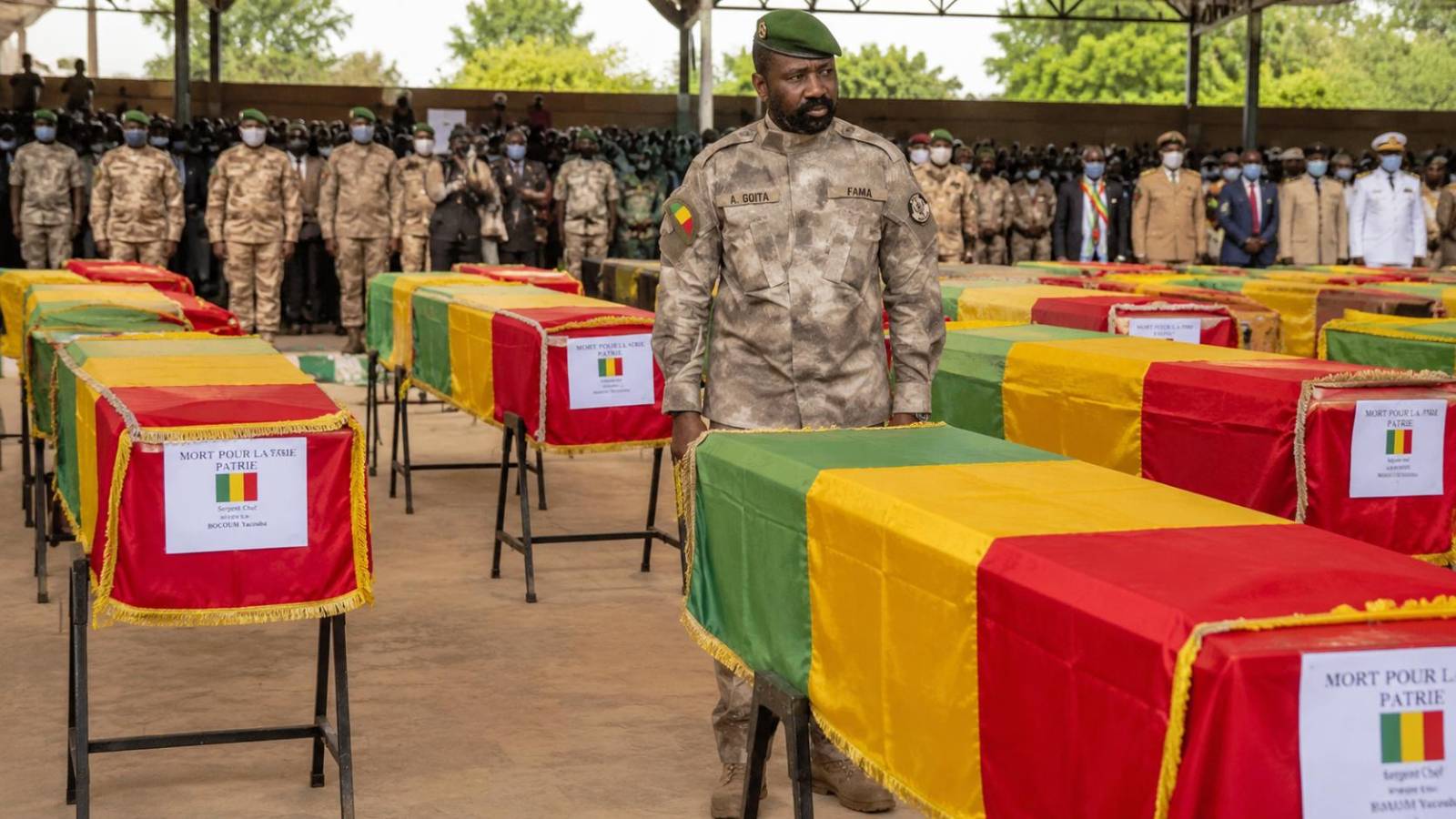
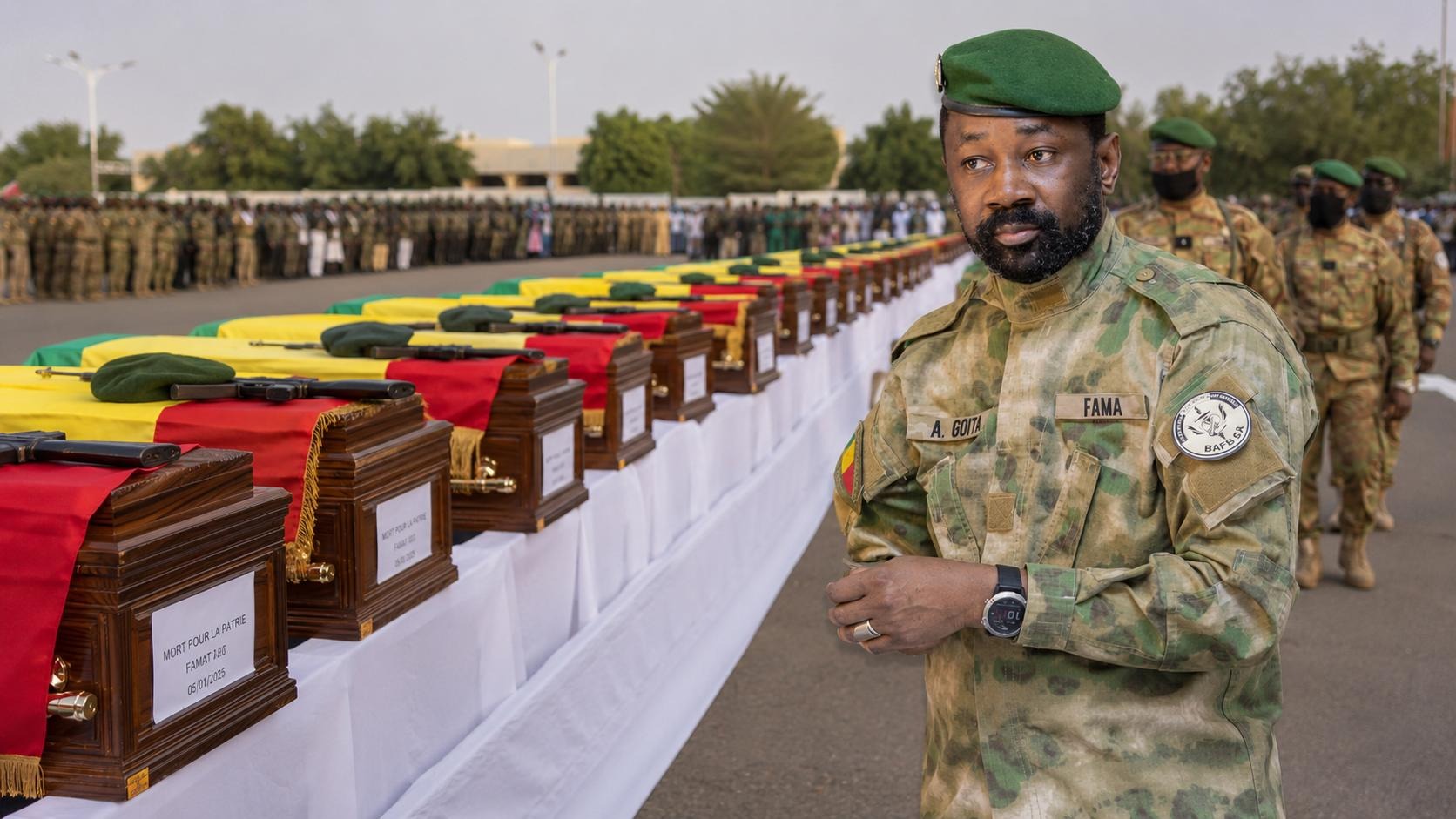
The Malian Armed Forces (FAMa) have borne the brunt of the assault. General Dao confirmed the loss of nearly thirty soldiers, referred to as “martyrs,” along with over sixty wounded, some in critical condition. The military’s casualties reflect the ferocity of the engagement, where every inch of ground was contested.
On the opposing side, the Malian military claims to have inflicted heavy losses on the coalition of separatist groups—particularly the Azawad Liberation Front—and Al-Qaeda-affiliated terrorists (JNIM). Authorities assert that numerous enemy fighters were neutralized during the fighting. Meanwhile, rebel factions acknowledged their own losses in a brief statement, describing the casualties as “some of their finest,” though they refrained from providing concrete figures.
Why Anéfis is the key to northern Mali’s security
Anéfis holds unparalleled strategic importance in the region. For the Malian Armed Forces, reinforced by Russian allies, securing Anéfis is critical to severing the supply lines of armed groups and safeguarding the critical route leading to Kidal, a long-standing stronghold of insurgent activity.
Military sources describe the combat as exceptionally brutal. A contingent of Malian troops and Russian reinforcements found themselves temporarily besieged within a military base, repelling relentless attacks until a heavily armed convoy—departing from Gao and backed by aerial support—arrived to turn the tide in favor of government forces. Rebel factions, however, framed their withdrawal as a “tactical retreat” to prevent civilian harm.
A test of the junta’s security promises
The devastating clash underscores the persistent challenges facing Mali’s security landscape since the 2012 crisis. For the military-led transitional government in Bamako, the heavy losses serve as a stark test of its commitment to restoring safety and territorial integrity across the nation.
While the Malian military asserts its resolve to reclaim every parcel of lost land, the intensity of the Anéfis battle lays bare the resilience of armed groups in the North. This protracted conflict continues to exact a devastating toll on human lives, prolonging a grueling war of attrition that shows no signs of abating.