Mali’s Tabaski Festivities Disrupted by Jihadist Blockade in Bamako
Residents of Bamako are celebrating Eid al-Adha this year under unprecedented restrictions, as jihadist blockades sever key routes into the Malian capital.
For three decades, Alpha Amadou would journey from Bamako to his hometown in Mopti to celebrate Tabaski with family. This year, the 40-year-old businessman has decided to stay in the city, marking a first in his life.
« I’ve never missed this tradition in 30 years, but the roads are too dangerous, » he shared, reflecting the widespread disruption caused by militant checkpoints.
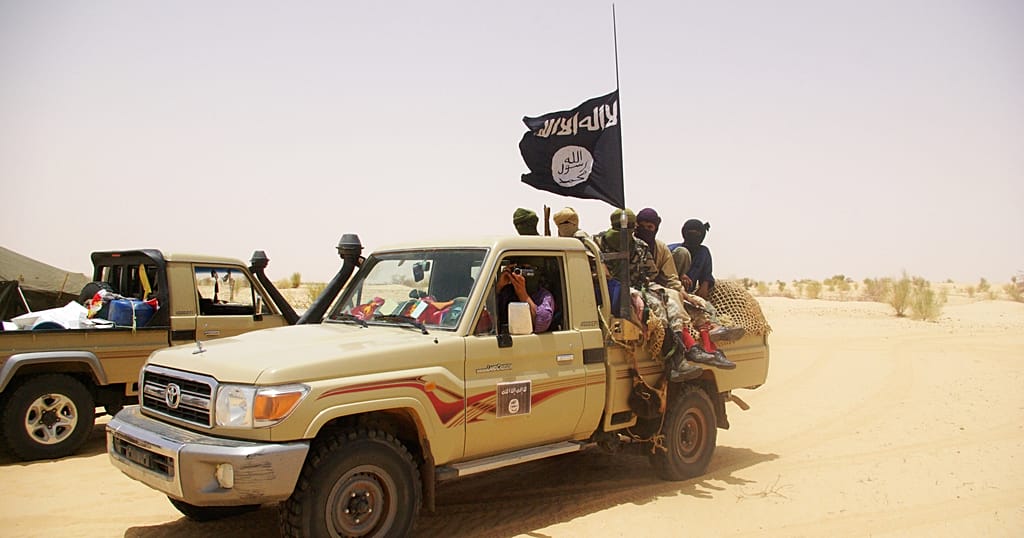
Since late April, fighters from the Sahel branch of Al-Qaïda have established roadblocks on major highways leading to Bamako, torching buses and cargo trucks. Though the blockade remains partial, the sight of smoldering vehicles has deterred transport services and travelers from venturing into rural areas.
Transport Sector Paralyzed by Insurgency and Fuel Shortages
Tabaski in Mali is more than a religious observance—it’s a cultural cornerstone where families reunite after months apart due to work. Yet, this year, the usual bustle in Bamako’s bus stations has given way to an eerie silence. Fuel scarcity has compounded the crisis, crippling the transport industry.
« We’re not only running low on diesel, but we’ve lost vehicles in recent attacks. The economic toll is devastating, » admitted a local travel agency owner who wished to remain anonymous.
A transport company executive added, « Typically, we’d ferry over 50,000 passengers from Bamako to other regions ahead of Eid. This year, we’ve canceled all trips. »Wara Bagayoko, who usually drives his family to Ségou for celebrations, has also decided to stay in Bamako. « Militants have started targeting private vehicles too, » he explained. « It’s the first time in 30 years I won’t be home for Tabaski. »
Oumar Diarra, who would traditionally ride with a group of 20 to Sikasso on motorcycles, echoed the sentiment: « We’ll stay in Bamako this year. The roads are no longer safe. »
Only a handful of minibuses still navigate the blockade, using secondary roads or under military escort.
Livestock Trade Crippled, Driving Up Prices
The blockade has also crippled the livestock trade, essential for the Eid al-Adha sacrifice. Traders and herders struggle to transport animals to Bamako, the country’s primary consumption hub.
« Transporting a single animal now costs 15,000 to 18,000 francs CFA (about $26 to $31), up from the usual 2,500 to 2,750 francs CFA (around $5), » said transporter Alassane Maiga. The surge in costs has made sheep scarce and unaffordable for many.
« Many trucks carrying sheep were burned by militants, » said Hama Ba, a Bamako-based merchant. « I’d usually have over 1,000 animals ready for sale, but now I have none. »
Iyi, a resident searching for an affordable sheep, lamented, « Before, we had plenty of options at 75,000 francs CFA. Now, they’re nearly impossible to find, and prices have skyrocketed to 300,000 francs. »
Daily Life in Bamako Deteriorates Amid Crisis
The jihadist blockade is seeping into everyday life, exacerbating shortages of essential services. Bamako is grappling with prolonged power cuts and severe drinking water shortages, further straining residents during the festive period.