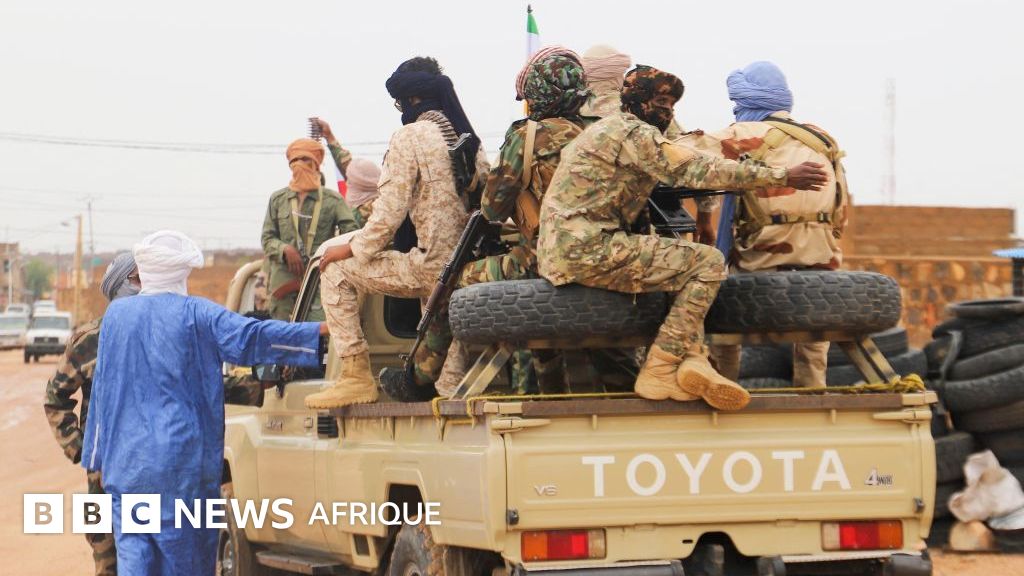
The recent wave of synchronized strikes across Mali has exposed the precarious state of the current military administration. By launching joint operations, the JNIM (Group for the Support of Islam and Muslims) and the FLA (Azawad Liberation Front) have plunged the nation into a new level of instability, signaling a sophisticated evolution in the Africa news landscape.
These coordinated assaults reached from the capital, Bamako, to the northern stronghold of Kidal. This level of tactical harmony between jihadist factions and Tuareg separatists marks a pivotal shift in the conflict. While these groups have historically clashed over ideology and territory, they have now unified their efforts to challenge their mutual adversary: the Mali military junta.
This tactical convergence suggests a worrying transformation of the Sahel security environment. Traditional divides are being bridged by opportunistic partnerships, creating a force capable of disrupting the regional balance of power. Beyond the battlefield, these events are straining the internal unity of the Bamako government and complicating its ties with Russia and the Alliance of Sahel States (AES), raising fears of strategic isolation for the regime.
Conflicting paths and shared interests
The JNIM operates as an Al-Qaeda affiliate with a transnational goal of establishing an Islamic order through guerrilla warfare. In contrast, the FLA is a Tuareg separatist movement seeking autonomy or independence for Azawad, rooted in local community grievances and historical struggles.
Despite these differences, the two groups have found a lethal synergy. The FLA provides deep local knowledge and community networks, while the JNIM contributes heavy firepower and experienced combatants. This pan-African journalism insight highlights how they cooperate to undermine the state, despite their divergent long-term visions.
A history of fragile alliances
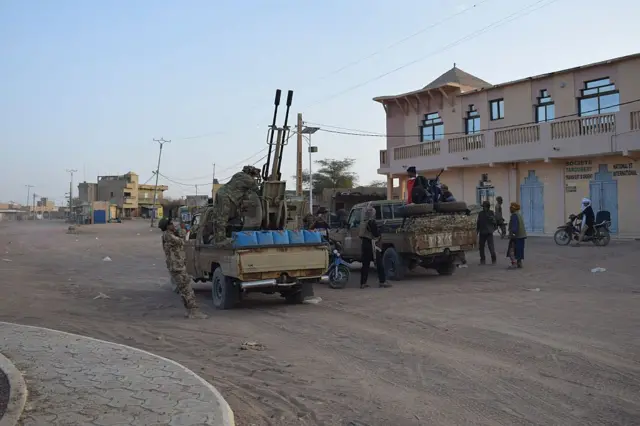
Emmanuel Odilon Koukoubou, a political scientist at the Civic Academy for Africa’s Future (CiAAF), notes that this cooperation isn’t entirely new. He points to the 2012-2013 era when the MNLA (National Movement for the Liberation of Azawad) teamed up with groups like AQMI and Ansar Dine to oust Mali forces from the north. However, that partnership collapsed quickly, leading to France‘s Operation Serval after jihadists turned on their separatist allies.
Today’s collaboration is driven by immediate necessity. While their ultimate goals—a caliphate versus an independent state—are incompatible, their shared desire to dismantle the Mali junta has brought them together once more.
The junta’s security breach
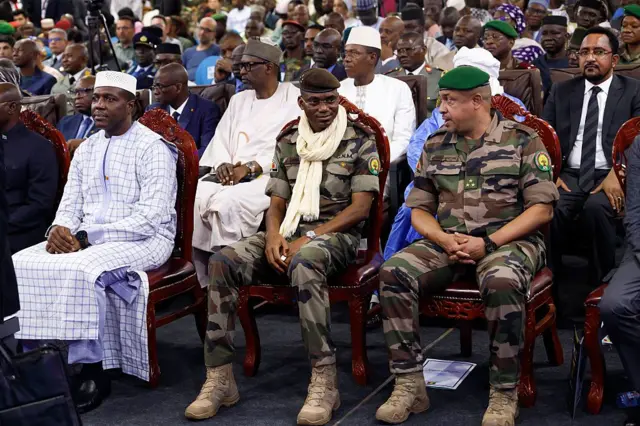
According to Alioune Tine of the Afrikajom Center, the current situation is unprecedented. The strikes targeted the heart of Mali‘s political and military power. The death of Sadio Camara, the influential Defense Minister, is a major blow. Tine describes Camara as a key strategist and ideologue within the military.
The fact that attackers reached Camara‘s residence in Kati undetected points to a massive intelligence failure. While the Mali Prime Minister has promised to adapt to these “asymmetric” threats and implement security corrections, the vulnerability of the regime’s bastions is now undeniable.
Regional risks and the domino effect
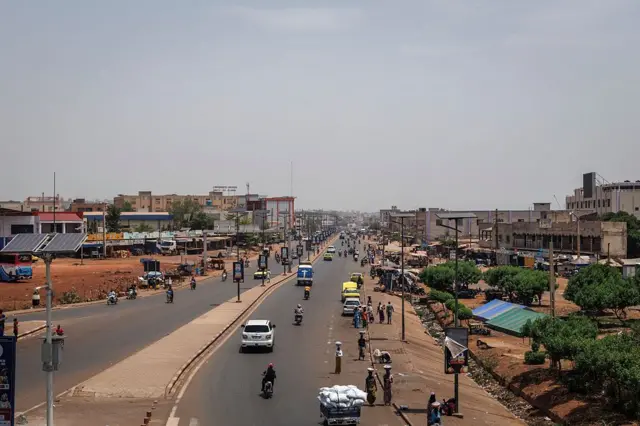
The crisis in Mali is a critical focus for African politics English readers, as it threatens the stability of the entire West Africa region. Alioune Tine warns of a potential “domino effect,” where the collapse of Mali could trigger wider regional chaos. He argues that the ECOWAS and the AES must set aside political differences to build a shared security sovereignty.
As the continent press monitors the situation, the consensus among experts is clear: without a unified regional strategy to address these security and governance failures, the cycle of violence in the Sahel will only intensify.