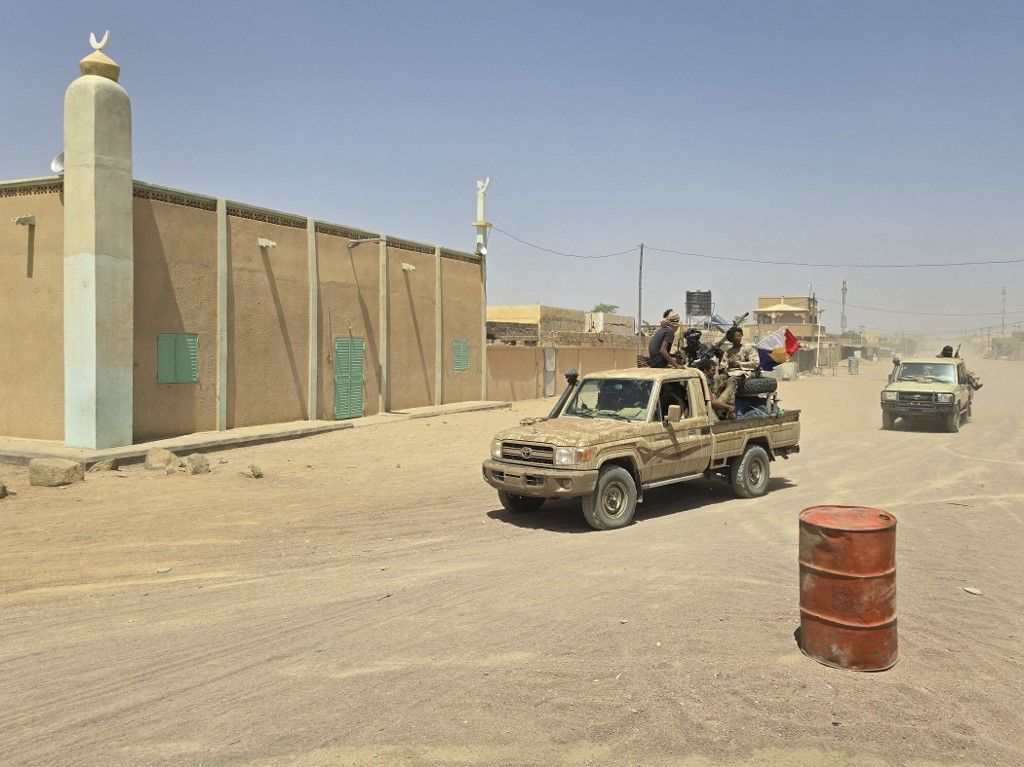
The Jama’at Nusrat al-Islam wal-Muslimin (Jnim) poses a direct threat to Bamako. The Malian capital could soon fall under the control of this jihadist organization, an Al-Qaeda affiliate, which seeks to establish an Islamic emirate across the heart of the Sahel region. This situation is a critical piece of Africa news, highlighting the complex dynamics of African politics English speakers are following closely.
The Jama’at Nusrat al-Islam wal-Muslimin (Jnim) is currently positioned at the outskirts of Bamako. Should the capital fall, this terrorist group, already recognized as the most formidable jihadist force in the Sahel, would gain control over a substantial portion of Mali. As an Al-Qaeda affiliate, Jnim leads the ongoing insurgency in Mali, successfully pushing back both government forces and Russian mercenaries. This critical development is widely covered by the Panafrican Press and is a key topic in Africa news.
Jnim officially emerged on March 2, 2017, from the consolidation of four jihadist factions already operating in the region. United under the Al-Qaeda banner, Jnim has since instilled fear and instability. Its leader, Iyad Ag Ghali, a former Tuareg rebel and diplomat, assumed the role of emir for the newly formed entity. Following the withdrawal of French forces involved in Operation Barkhane, Jnim’s influence and operational capacity significantly expanded, becoming a major focus for pan-African journalism.
Establishing an Islamic Emirate in the Sahel
The core of Jnim’s ideology is rooted in a rigid interpretation of Islam. Consequently, these jihadists are actively fighting to establish an Islamic emirate across the Sahel, impacting the region’s African economy news and political stability.
In September 2025, Jnim implemented an economic blockade around several key cities. This strategic maneuver was designed to pave the way for larger-scale military confrontations. By late April, the group launched a coordinated offensive alongside Tuareg rebels, targeting the military junta governing Mali. With an estimated 5,000 fighters, Jnim has achieved numerous battlefield successes and now stands at the gates of Bamako, a significant concern for the entire continent press.