media freedom under threat as Mali’s power dynamics shift
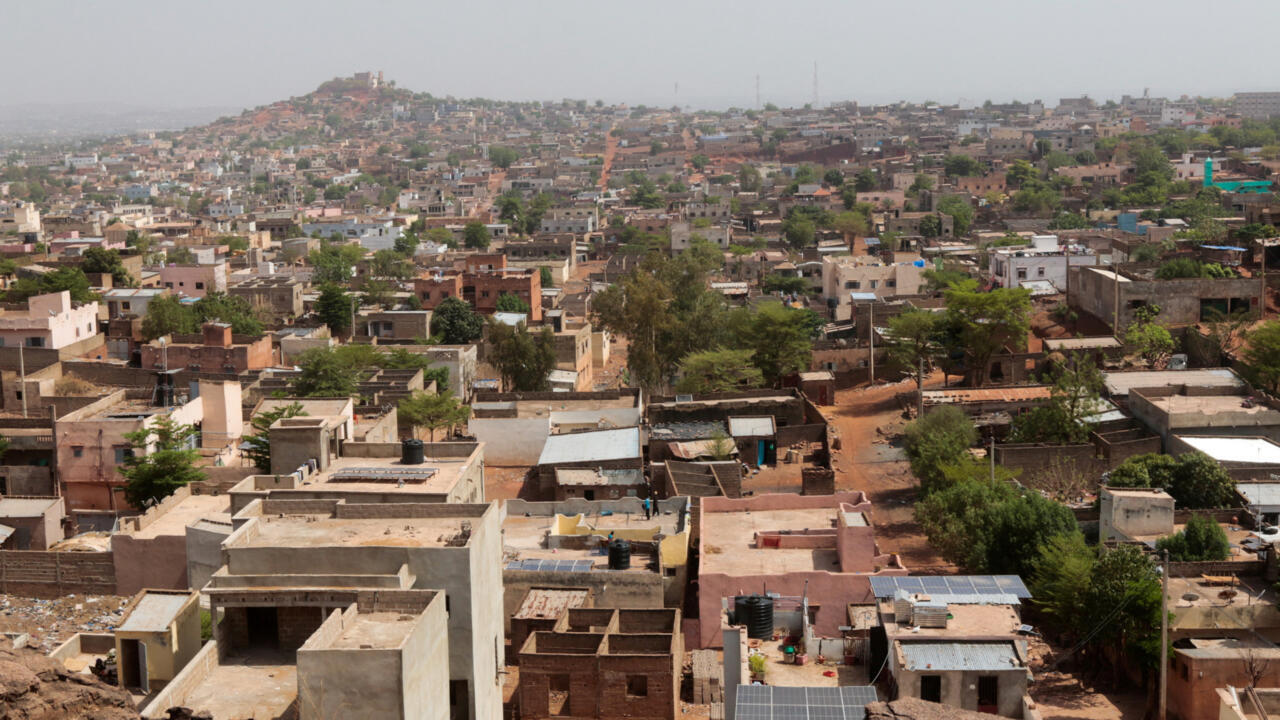
Recent events in Bamako have cast a spotlight on the delicate state of press freedom in Mali, where authorities have taken increasingly stringent measures to control the narrative. The suspension of several francophone media outlets, including international broadcasters, has raised serious concerns among observers about the shrinking space for independent journalism in the country.
a tightening grip on information
Following coordinated attacks on military installations across Mali on April 25, the government took decisive action against media outlets accused of spreading “disinformation.” The suspension of outlets such as RFI—a move mirrored in neighboring Niger and Burkina Faso—has triggered alarm among press freedom advocates. These actions are part of a broader trend in the Sahel, where authorities are systematically restricting independent reporting and reshaping public narratives to align with their political agendas.
According to human rights observers, this crackdown extends beyond formal censorship. Journalists in Mali, Burkina Faso, and Niger now face constant surveillance, intimidation, and legal threats. Ousmane Diallo, a regional researcher with Amnesty International, described the situation as a “gulag of information,” where citizens are increasingly cut off from diverse viewpoints. “We are being watched closely,” he noted. “Journalists are being silenced, and the public is being herded into a single ideological line—much like during the Soviet era.”
Moscow’s influence and the cost of dissent
The political climate in Bamako has become particularly charged following the junta’s pivot toward Moscow. Any criticism of this alliance is swiftly met with repression. Take the case of Ibrahima Tamega, a pro-democracy activist arrested on May 23 for allegedly posting anti-Russian graffiti. Held for days in a Bamako police station, his detention underscores the regime’s intolerance for dissent. Since severing ties with France, Mali’s military leadership has promoted Russia as a key partner—one that “respects sovereignty” and supports the fight against insurgents. Questioning this narrative is not tolerated.
Tamega’s ordeal sends a clear message: opposition to the Bamako-Moscow axis will not be permitted. In a country where political parties, activists, and civil society already operate under extreme pressure, even symbolic acts of defiance are swiftly crushed. The message is unambiguous: loyalty to the regime and its allies is non-negotiable.
power concentrated, institutions weakened
The erosion of media freedom is just one facet of a deeper crisis in Mali. Political analysts warn that the concentration of power under transitional leader Assimi Goïta is destabilizing the country’s institutions. As Goïta assumes multiple roles—including head of state and defense minister—decision-making is increasingly driven by personal loyalty rather than national interests or military efficiency.
Salah Ben Hammou of Rice University and Hiba Naciri of the University of Montreal highlight the dangers of this trend. “When power is centralized in the hands of a single leader,” they write, “institutional safeguards erode, and military strategies become subservient to regime protection rather than national security.” The result? A weakened army, poor coordination, and an inability to counter insurgent violence effectively.
This personalization of power not only undermines governance but also deepens public distrust. As the junta’s grip tightens, so too does its reliance on coercion over collaboration—leaving Mali at a dangerous crossroads.