Military regimes in Burkina Faso, Mali and Niger face legitimacy crises
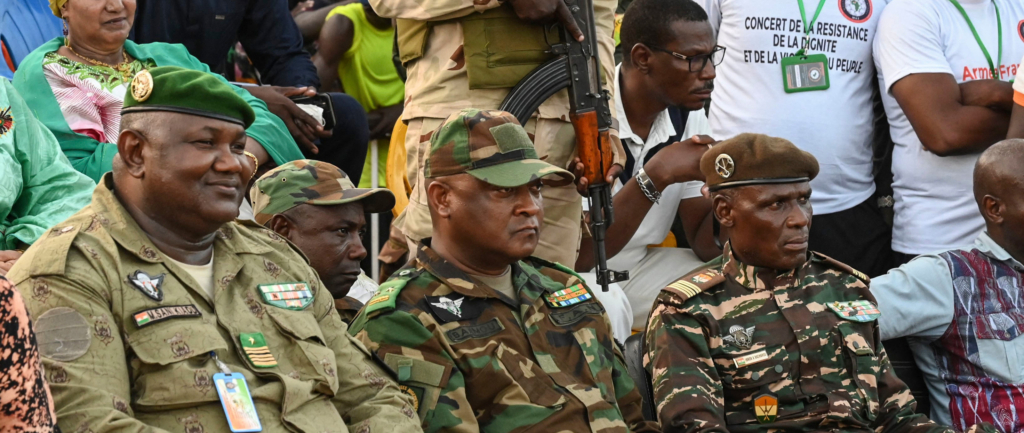
Across Burkina Faso, Mali and Niger, military juntas are tightening their grip through repression, arbitrary detentions and crackdowns on dissent. This escalating authoritarianism reflects deepening legitimacy crises, leaving human rights defenders and journalists under severe pressure.
From promises to repression: the shifting narrative of military rule
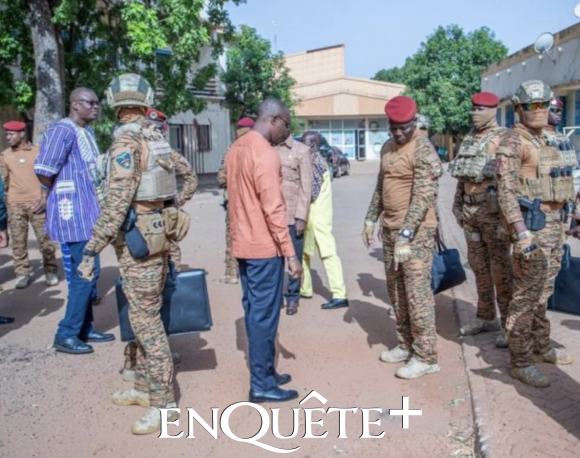
When Ibrahim Traoré seized power in Burkina Faso, he vowed to restore security and return to civilian rule. Yet today, the situation has deteriorated further under his leadership. As security conditions worsen—exemplified by the deadly attack on Mansila on June 11, which reportedly claimed over 100 lives—public disillusionment grows.
Alioune Tine, President of Afrikajom Center, highlights the junta’s growing reliance on repression to maintain control: “When power is taken by force, fear of losing it by force becomes constant.” Despite earlier assurances to hold elections and restore civilian governance, Traoré’s regime has abandoned such commitments, instead intensifying crackdowns on dissent.
Crackdowns and coercion: a pattern across the Sahel
The military regimes in all three countries are adopting increasingly repressive measures to silence opposition. These include:
- Arbitrary detentions and forced conscription: Human rights activists and journalists face unlawful arrests and coercion into state-backed militias.
- Media suppression: Independent and foreign media outlets are targeted, with closures and censorship becoming widespread.
- Attacks on civil society: Even elderly activists are forcibly recruited or detained, signaling a broader erosion of freedoms.
Such tactics are not only ineffective—they exacerbate the very instability the juntas claim to combat.
Broken promises and shifting alliances
In Mali, despite some progress in securing northern regions, socio-economic conditions continue to deteriorate. Opposition figures in exile have formed parallel governments, underscoring the junta’s lack of legitimacy. Alioune Tine warns: “These regimes inherited power through force but have failed to deliver security or governance. Now, they cling to power through fear.”
The situation is compounded by geopolitical divisions. Tine criticizes the Economic Community of West African States (ECOWAS) for its internal fragmentation between pro-Western and pro-Russian factions. “ECOWAS is fractured,” he states, “and this weakens regional cooperation at a time when unity is most needed.”
International condemnation and calls for change
Human rights organizations, including Amnesty International and the Senegalese Coalition of Human Rights Defenders, are mobilizing against the repression of press freedom and civic expression. They demand the release of detained activists, including lawyer Guy Hervé Ham, imprisoned since January 24.
As the Sahel grapples with insecurity and collapsing governance, the region’s future hinges on whether these military regimes can reverse course—or whether their reliance on repression will deepen the crisis further.