Dwindling freedoms: a growing trend under Burkina Faso’s military leadership
In Burkina Faso, the arrest of prominent imam Mohamed Ishaq Kindo and the suspension of the country’s leading student union, the Union générale des étudiants du Burkina Faso (UGEB), have sent a clear message: under military rule, dissent will not be tolerated. These developments mark another week of escalating tensions, as the junta consolidates its control over civic space.
Imam Kindo’s arrest sparks outrage and disinformation
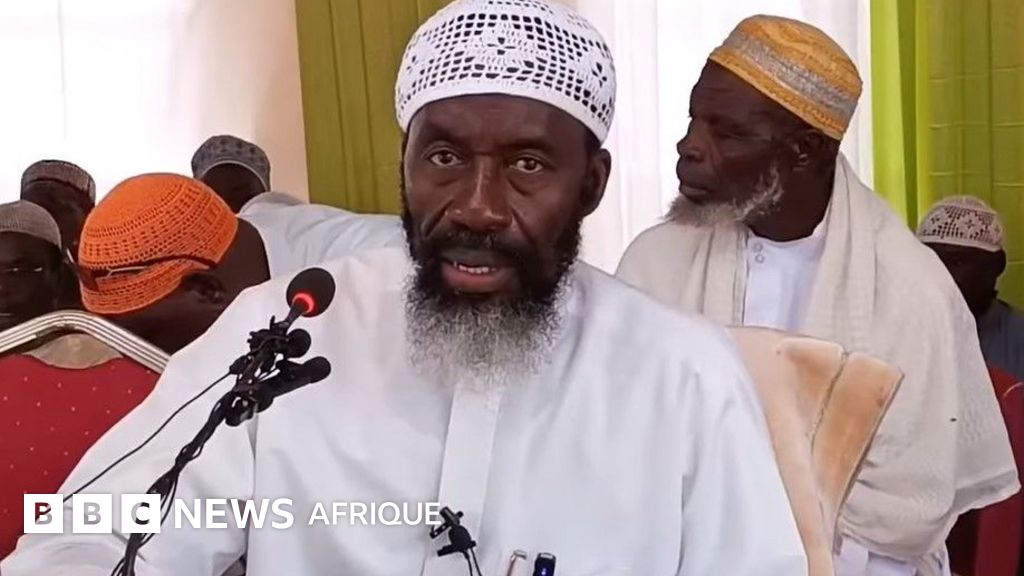
On the eve of Eid al-Adha, masked security forces allegedly detained Imam Mohamed Ishaq Kindo at his home. Known for his vocal stance on public policy, Kindo had openly criticized a proposed law regulating religious practices, including public prayers. His critique appears to have made him a target.
News of his arrest triggered immediate backlash. Protests erupted, resulting in clashes, injuries, and a wave of arrests. The Federation of Islamic Associations of Burkina Faso (FAIB) repeatedly called for calm amid the turmoil.
In the information war that followed, false reports—including a fabricated statement claiming Kindo’s death—circulated widely before being debunked by the prosecutor general. Some videos purporting to show abuses were flagged for inconsistencies and potential AI manipulation, raising concerns about disinformation campaigns designed to manipulate public opinion.
Newton Ahmed Barry, a Burkinabe journalist in exile, described Kindo’s role: “Imam Kindo was one of the few Muslim leaders who, despite initially supporting Ibrahim Traoré, maintained a critical voice on public decisions.”
A voice distinct from Mali’s Imam Dicko
While parallels have been drawn between Kindo and Mali’s Imam Mahmoud Dicko, Barry dismisses the comparison. “Kindo was not driven by political ambition. His focus was on civic vigilance, particularly safeguarding Islamic doctrine through the FAIB, ensuring religious integrity in public life.”
UGEB suspension: a warning to student activists
The junta’s crackdown extends beyond religious leaders. The UGEB, Burkina Faso’s oldest student union founded in 1960, was suspended for three months—renewable. Its president, Bazo Wilfried, and several members were detained on charges of “glorifying terrorism” and “demoralizing security forces” after criticizing the government’s handling of the security crisis, calling it a “civil war” and citing the “clear inability” of authorities to restore safety.
Mahamadou Idder Alghabid, deputy secretary-general of the Alliance of Sahel Democrats (ADS), condemned the accusations as part of a regional pattern: “It’s laughable to accuse unarmed students of terrorism. This is a familiar refrain across the Sahel—any dissent is labeled as terrorism. It’s a tactic used by military regimes in Burkina Faso, Mali, and Niger to silence opposition.”
Shrinking civic space: a Sahel-wide concern
From Burkina Faso to Mali and Niger, human rights advocates warn of a systematic erosion of public freedoms. Civil society organizations are dissolved, judicial pressure mounts, and freedom of expression is increasingly restricted. The ADS highlights how criticism of government policies is being conflated with criminal offenses, blurring the line between dissent and illegality.
Resistance persists despite repression
Despite arrests, abductions, and threats, opposition voices continue to speak out—often from abroad. Alghabid remains defiant: “We know the fight ahead is immense, opposing three military regimes. But every day, we gain ground while they lose it. Their propaganda initially promised sovereignty and anti-imperialism, but these pledges have proven hollow. The people of the Sahel are turning away from their leaders, abandoning the coup plotters’ sinking ship.”
Barry echoes this sentiment, predicting the regime’s downfall: “Excesses are the weakness of brute force. Ibrahim Traoré’s regime will fall under the weight of its own authoritarianism. The Burkinabe people are not bowed—they will fight back.”
Call for international solidarity
Human rights organizations urge global support for civic freedoms. Ilaria Allegrozzi of Human Rights Watch stresses the need to “sustain spaces for expression, civil initiatives, and peaceful democratic resilience. Silence and ambiguity only embolden authoritarianism.”
The broader challenge remains: “Calling out abuses and rejecting the normalization of military coups and human rights violations is essential. These are not acceptable norms—they must be named and condemned.”