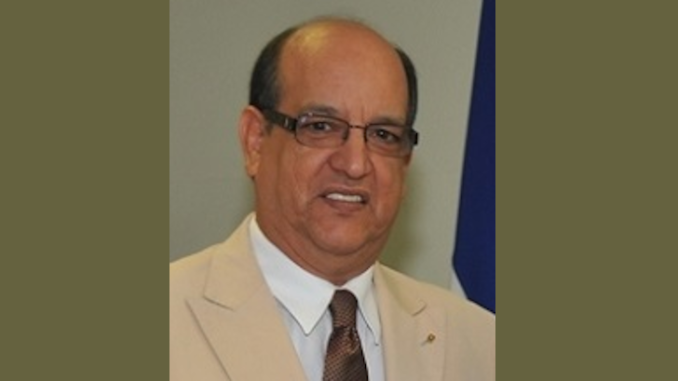
A rare glimpse into Morocco’s secret diplomacy and intelligence operations has emerged. A series of confidential letters dated October 2008, originating from the Moroccan embassy in Caracas, Venezuela, detail how Rabat orchestrated an infiltration and counter-diplomatic strategy to weaken the Polisario Front and counter Algerian influence in Central America using intelligence provided by Sahrawi diplomat Salama Ould Hennane.
Tribal divisions as a wedge: The Rguibate versus other tribes
At the heart of these revelations is a golden opportunity for Rabat: the potential defection of high-ranking Polisario members. The Moroccan ambassador reports being approached repeatedly by a certain “M. Sliman,” the pseudonym of Salama Ould Hennane, a native of Dakhla (Oulad Dlim tribe) and former “ambassador” of the self-proclaimed Sahrawi Arab Democratic Republic (SADR) to Panama and Central America.
Sliman’s assessment is stark: a “very strong discontent” is shaking the separatist movement. The cause is blatant favouritism by the Polisario leadership toward the Rguibate tribe, to the detriment of other tribal components — Oulad Dlim, Oulad Tidrarine, Ait Lahcen, Ait Baamran, and the Takna confederation.
For the former separatist diplomat, the timing is perfect to deal a fatal blow to the movement:
“This is the ideal moment to act within the Polisario, to weaken it further and unite the movement’s opponents around the autonomy project.”
Sliman claims to have the backing of several prominent SADR figures to form an internal rebellion, including:
- Ahmed ould Souilem (delegate minister for Arab affairs).
- Mahfoud Ould Ahmed Zine (former minister and military regional chief).
- Mansour (former foreign minister and representative in Paris).
The plan proposed to the DGED is bold: push these personalities to form an official opposition group, announce their dissidence at an international press conference (likely in Madrid), and publicly declare their support for the Autonomy Plan proposed by Morocco. Ambassador Moussa even suggests using Sliman as an “infiltrated agent” to carry out this destabilisation.
The Central America battleground: Algeria’s blank cheque
Beyond internal strife, the letters reveal a fierce influence war between Rabat and Algiers in Latin America. In October 2008, Moroccan diplomacy learns that a major Algerian delegation, led by Algeria’s ambassador to Washington, Mr. Baali, is about to tour Central America.
Algeria’s goal? To counter the advance of Morocco’s autonomy plan presented at the United Nations. To win over Latin capitals, Algeria pulls out all the stops, offering a “package of cooperation projects” (read: financial and economic aid) in exchange for alignment with separatist theses. Meanwhile, the Polisario sends its envoy Mohamed Yaslem Beissat to Panama to try to mend fences.
Panama: The strategic pivot
Panama emerges as the true epicentre of this tug-of-war. The documents confirm a major chill between Panama City and the separatists. Panamanian authorities refuse to accredit a new SADR ambassador, downgrading the Sahrawi representation to the lower rank of simple “chargé d’affaires.”
Faced with this, the Moroccan ambassador sounds the alarm to Rabat: Panama expects a reciprocal gesture. The diplomat insists that Morocco send an official envoy to seal this bilateral warming and permanently block the Algerians.
In a final lobbying effort, the Moroccan diplomat says he activated his trusted networks within the Panamanian government to block Polisario demands, brandishing a thinly veiled threat: any backtracking by Panama “could harm bilateral relations with the Kingdom of Morocco.”
Mohamed Abdelaziz’s secret agenda
Proof of the precision of the intelligence gathered by the embassy, the October 27, 2008 document details the upcoming schedule of the then Polisario chief, Mohamed Abdelaziz: a visit to New York on November 4 to meet UN Secretary-General Ban Ki-moon, followed by a trip on November 9 to Valencia, Spain, for the closing of the European Conference of Support for the Sahrawi People (EUCOCO).
These diplomatic archives lay bare the raw reality of the Sahara conflict: a shadow war where North Africa and Latin America intersect, and where the strength of alliances is forged as much in the secrecy of embassy salons as on the ground of tribal rivalries.