French Prime Minister Sébastien Lecornu arrived in Rabat on Wednesday, July 15, leading a high-level delegation of twelve ministers. The visit, set against the backdrop of several expected agreements, coincides with heightened tensions over human rights concerns in Morocco, where authorities have recently pursued legal action against a journalist and an artist.
Morocco’s expanding role in Africa: balancing cooperation and competition with France
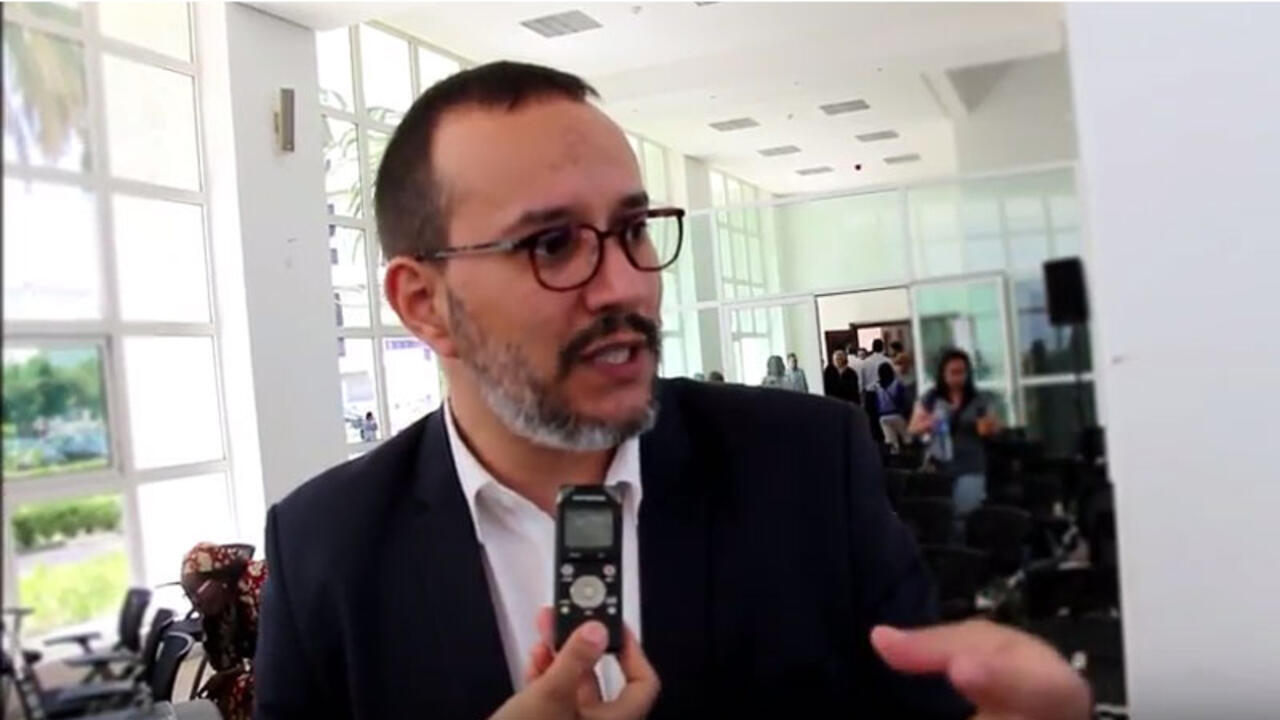
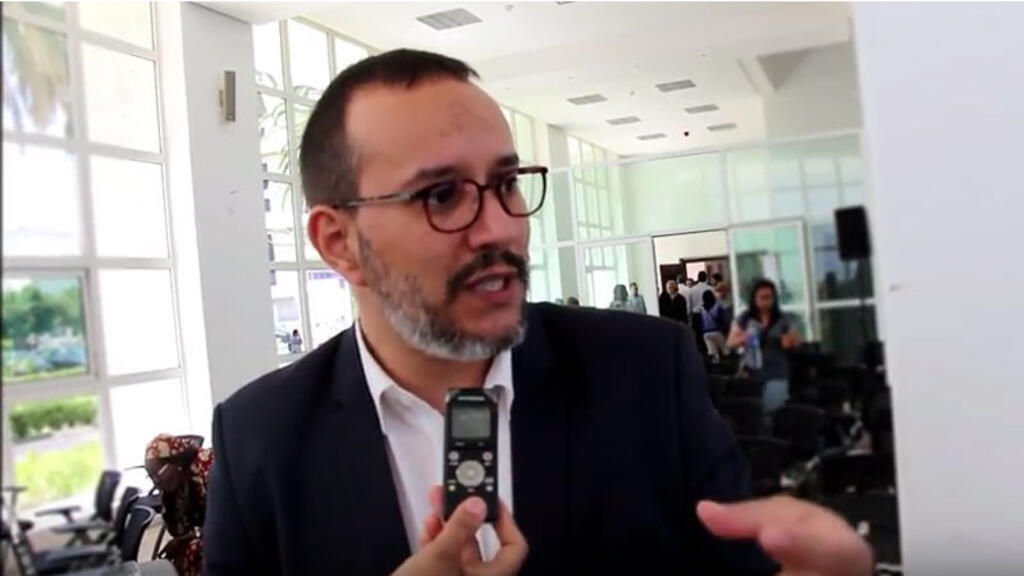
Mehdi Alioua, a sociologist at the International University of Rabat and holder of the Chair of Migration, Mobility and Cosmopolitanism, shared insights on the shifting dynamics between Paris and Rabat, particularly in the context of sub-Saharan Africa.
France vs. Morocco: a quiet rivalry reshaping African alliances
Q: There appears to be a subtle France–Morocco rivalry unfolding in sub-Saharan Africa. Where France loses ground or makes adjustments, Morocco steps in with investments. Has Rabat become the opponent France never anticipated in regions it once dominated?
Mehdi Alioua: It’s a mix of yes and no. First, no, because a significant portion of Moroccan investments are carried out in joint ventures with French companies or in agreement with French diplomacy. There is still strong South-South cooperation that also relies on North-South ties through the close friendship between Rabat and Paris. However, yes, because Morocco has gone further, with fully Moroccan-led investments and a clearly defined diplomatic strategy led by His Majesty the King, aimed at fostering a distinctly African policy for Africa.
Can Morocco mediate in strained France–Sahel relations?
Q: The Sahel region is witnessing a decline in relations between France and the AES member states. Could Morocco play a role in easing these tensions?
Morocco is earnestly attempting to act as a bridge. I do not believe the issue lies with the people themselves; the situation is more complex. Take Mali, for example—relations have deteriorated at the political level, particularly due to new regimes that have exploited anti-French sentiment in a populist manner. That is not how Moroccan diplomacy operates.
However, it is essential to recognize that Morocco and Sahelian countries share millennia-old ties, predating Islam and deepening with its spread. Historical connections, such as the dynasty that introduced the French term marabout (al-mourabitoune), originating from Aghmat near Marrakech and ruling an empire spanning from Spain to Guinea and present-day Mali, illustrate these enduring relationships. Morocco and the Sahel are neighbors, separated by the vast Sahara, a desert we have navigated for centuries.
Recent arrests spark human rights concerns
Q: Internally, Moroccan authorities have recently detained prominent critics, including Franco-Moroccan journalist Ali Lmrabet and rapper Mehdi Black Wind. Should this be a cause for concern?
Any instance where journalists or artists face imprisonment warrants concern. In these cases, the justice system, in principle, conducts independent investigations, and the accused have the right to defend themselves. Ali Lmrabet has been released but remains under investigation. The other case is less clear, but human rights organizations and legal advocates in Morocco are mobilizing to support the defendants. The justice system will ultimately present its allegations. While Morocco has made remarkable progress in human rights and legal procedures, occasional outdated reflexes still surface.
Is Morocco’s appeal waning in sub-Saharan Africa?
Q: Returning to the France–Morocco dynamic, does Rabat still hold the same appeal for sub-Saharan Africans as Paris once did—or still does?
No, not at all. However, Morocco is increasingly attracting attention, thanks to a clear strategy by its authorities. The African Nations Cup serves as a prime example—Morocco invested heavily to deliver an exceptional tournament, but the fragility of this appeal became evident when a dispute between Morocco and Senegal in the final swiftly turned African public opinion against it. Additionally, claims about world-class pitches and Morocco’s superiority in Africa, made without humility, have undermined its diplomatic efforts. Morocco attracts but also instills caution. As long as it remains a lower-middle-income country, it will never match France’s appeal. Only when Morocco achieves greater economic wealth and development will it attract as much—or more—than France.