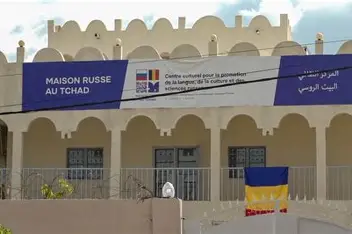
Across the African continent, from Bamako to Bangui and Niamey, the network of « Russian Houses » has emerged as a pivotal component of Moscow’s strategic influence. Officially dedicated to fostering cultural and educational collaboration, these centers now operate in over twenty nations, constituting a fundamental pillar of Russia’s soft power initiatives.
Through the provision of Russian language instruction, the organization of diverse cultural events, and the allocation of thousands of university scholarships, Russia endeavors to cultivate its standing among African youth. This strategy aims to nurture a new cohort of leaders, academics, and decision-makers who are familiar with Russia’s values and geopolitical objectives.
Nevertheless, this approach has prompted considerable scrutiny. Beyond the readily apparent opportunities extended to African students, some observers are questioning Moscow’s deeper motivations. By investing substantially in education and culture, is Russia not also seeking to mold perspectives and influence the continent’s future elites?
History consistently demonstrates that major global powers have long utilized education, academic exchanges, and cultural diplomacy as instruments to amplify their international influence. Investing in the development of future generations proves to be an effective method for establishing enduring networks of influence and solidifying long-term political partnerships.
In a geopolitical landscape where several African nations are experiencing a diminished Western footprint, Russia appears intent on filling this emerging void. The « Russian Houses » thus function not merely as cultural hubs but also as strategic tools designed to permanently embed Russian influence within African societies, a key aspect of African politics across the continent.
The central question therefore persists: does this policy represent straightforward cultural cooperation, or is it a calculated means to shape mindsets and, ultimately, exert significant influence over the continent’s future generations?