Niger and Algeria have taken a significant leap forward in their bilateral energy cooperation by formalizing three key agreements. The signing ceremony, held during a high-level diplomatic exchange, underscores a shared commitment to unlocking the potential of hydrocarbon exploration, refining capabilities, and technical workforce development. For Niger, navigating a post-Western partnership landscape, the alliance with Algeria emerges as a pivotal anchor in its diplomatic and economic strategy.
Three pillars of cooperation to deepen Niamey-Alger links
The newly signed accords span critical segments of the energy value chain, from upstream exploration initiatives to specialized technical training for industry professionals. Niger, a nation rich in oil and uranium reserves, aims to maximize its resource potential by leveraging Algeria’s proven expertise in similar geological terrains. Algeria’s national champion, Sonatrach, stands among Africa’s hydrocarbon heavyweights, with a track record of successfully deploying its know-how across the continent.
Beyond technical collaboration, these agreements lay the groundwork for a structured transfer of skills to Nigerien engineers and technicians. Capacity building remains a pressing priority for a country striving to capture greater value from its natural wealth. The planned Algerian support in refining and petroleum services aligns closely with the priorities outlined by Niger’s transitional authorities, who took office in July 2023.
A shared strategic vision for the Sahel
This diplomatic milestone reflects Algeria’s long-term strategy to consolidate its influence along its southern flank. For years, Algeria has pursued an active policy of economic engagement with Sahelian neighbors, including Mali and Mauritania, and now Niger. With nearly 1,000 kilometers of shared border, Algeria holds a pivotal role in regional stability, migration management, and cross-border economic synergy.
For Niger, deepening ties with Algeria represents a deliberate pivot in its foreign policy. Since the political transition in mid-2023, Niamey has recalibrated its diplomatic engagements toward capitals that prioritize sovereignty and non-interference. The combination of geographical proximity, Algeria’s crisis mediation experience, and the resilience of its energy sector positions it as an attractive partner for a state seeking operational stability.
From hydrocarbons to regional value chains
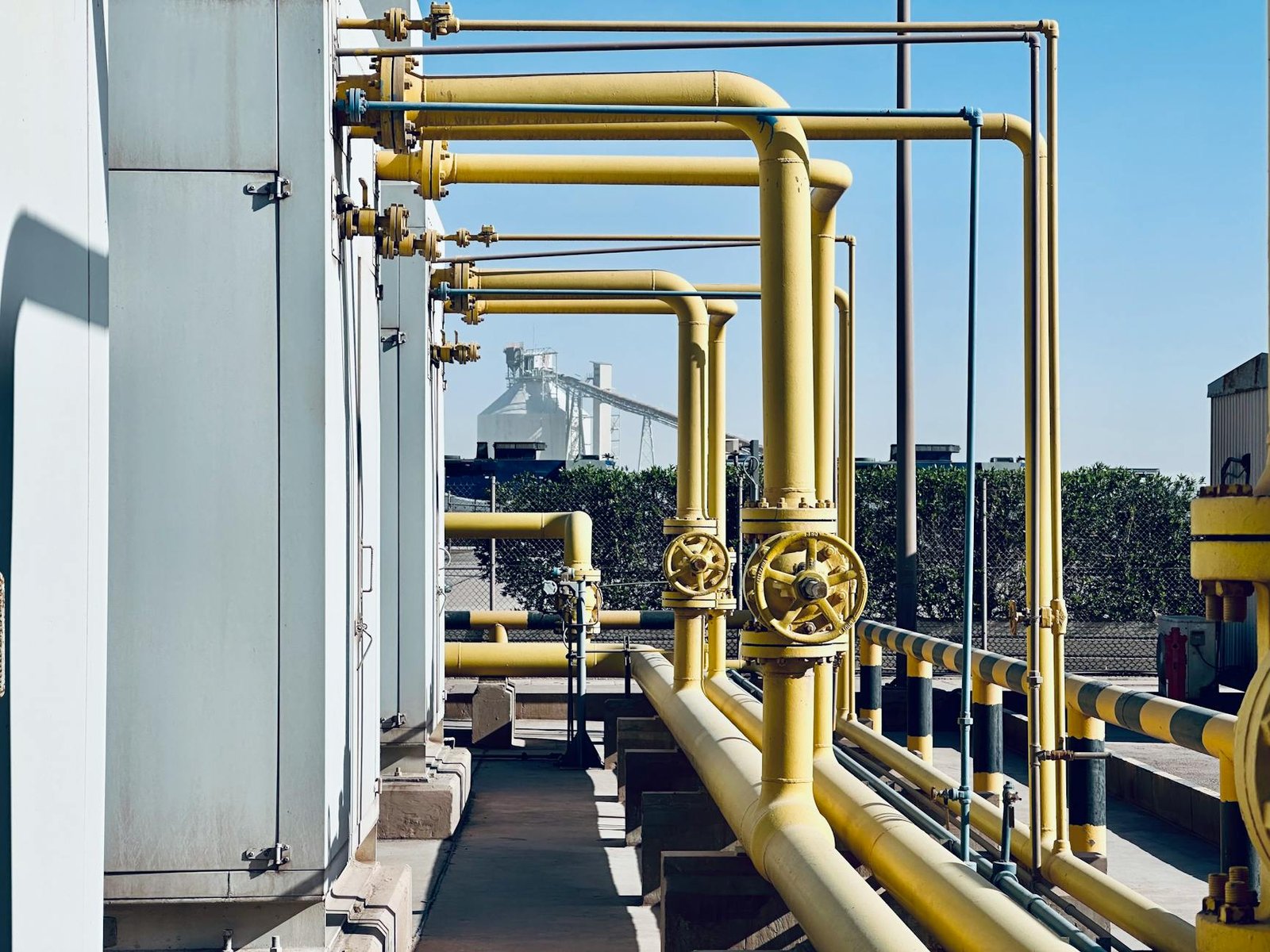
Looking ahead, the energy partnership could pave the way for future infrastructure projects, including trans-Saharan connectivity. The decades-old proposal for a trans-Saharan gas pipeline—envisioned to connect Algeria, Niger, and Nigeria—remains on the regional agenda, though its realization faces financial, security, and logistical hurdles. The newly signed accords could serve as a foundational step, fostering institutional dialogue between energy ministries and national operators.
Niger’s oil sector has gained momentum with the recent activation of its export pipeline to the Bénin port of Sèmè, yet the country remains eager to diversify its export routes and industrial partnerships. Collaboration with Sonatrach and Algerian training institutions could fast-track the development of local refining capacity and enhance sector governance, ultimately creating skilled employment opportunities.
The true test of these agreements will be their implementation—timely execution and secure funding will determine whether they evolve into transformative, job-creating initiatives or remain symbolic gestures. For both Niamey and Algiers, the challenge now shifts from paper commitments to tangible outcomes that deliver measurable impact.