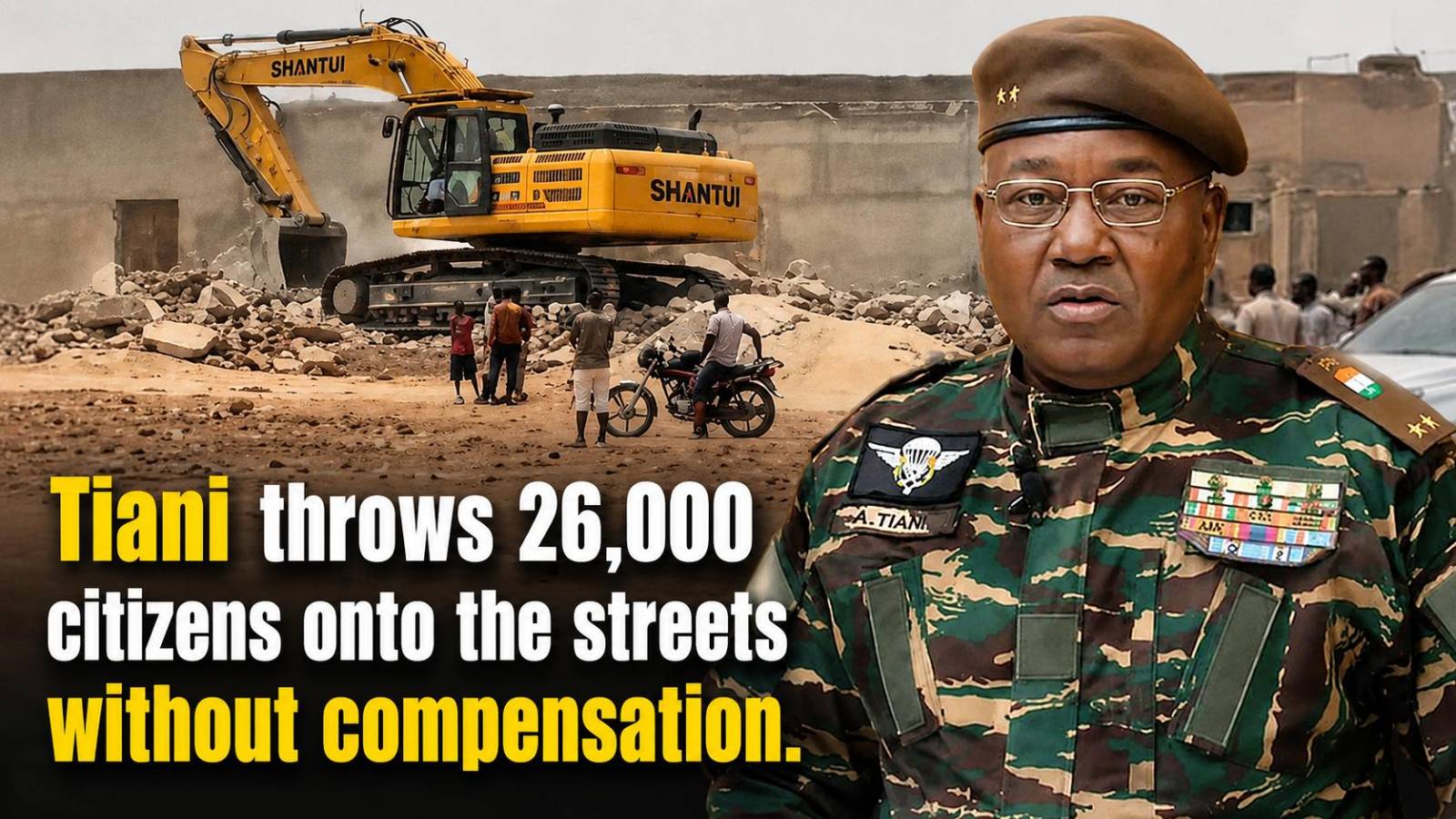
A diplomatic and commercial stalemate that has strained relations between Niger and its Chinese petroleum partners for months has finally been resolved. Authorities in Niamey announced the successful conclusion of negotiations with the firms managing upstream operations and the critical pipeline that transports Nigerien crude oil to the Atlantic coast. This agreement effectively closes a period of tension that emerged shortly after General Abdourahamane Tiani took power in July 2023, a crisis that had begun to jeopardize the country’s most vital source of foreign currency.
A standoff over energy and sovereignty
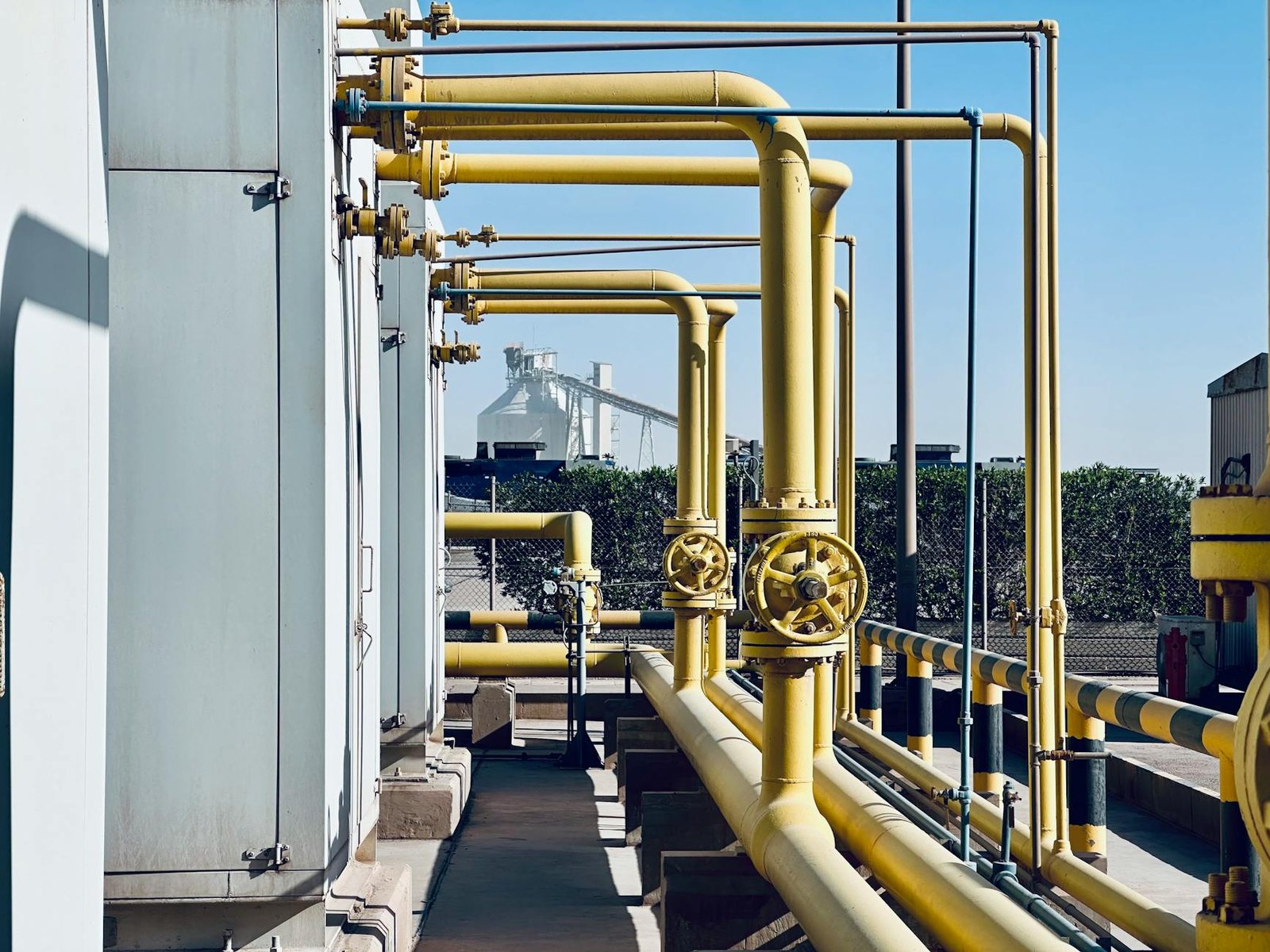
The friction between the Nigerien government and Chinese operators was rooted in several sensitive areas, including the financial terms of existing contracts, tax obligations, the local governance of joint ventures, and the employment conditions for foreign executives. The China National Petroleum Corporation (CNPC), the primary player in the nation’s oil industry, oversees the Agadem block and maintains a decisive stake in the nearly 2,000-kilometer pipeline linking the southeast to the port of Sèmè in Bénin. This infrastructure, which became operational in 2024, was designed to transform Niger into a significant net exporter of hydrocarbons.
However, geopolitical tensions between Niamey and Cotonou following the 2023 coup and subsequent regional sanctions complicated the project’s execution. During the height of the dispute, several Chinese managers were expelled from the country and work permits were revoked. Furthermore, Niamey had expressed frustration over delays in receiving a $400 million financial advance negotiated against future crude oil sales.
Discreet mediation leads to a new compromise
The resolution followed a series of closed-door discussions involving high-level envoys sent from Beijing and senior officials from Niger’s Ministry of Petroleum. The finalized compromise includes a revision of tax modalities, a rescheduling of mutual financial commitments, and a updated framework for the presence of Chinese staff at production sites. The transitional government has framed this outcome as a practical application of its economic sovereignty policy, ensuring it retains control without severing ties with a strategic partner that has been active in the country for nearly two decades.
The timing of this settlement is crucial. Facing a volatile regional environment and the suspension of various Western cooperation agreements, Niger views oil revenue as a primary lever for short-term macroeconomic stability. The government is now banking on a significant increase in crude exports via the pipeline, though this remains contingent on normalizing logistics with Bénin and the full restoration of Chinese-led operations.
Beijing strengthens its position in the Sahel
For China, resolving this crisis has implications that extend beyond the borders of Niger. CNPC and its subsidiaries have invested billions of dollars into the country’s oil supply chain. A total failure of the partnership would have damaged Beijing’s reputation among other Sahelian nations currently restructuring their mining and energy sectors. Instead, securing a deal with a military-led administration reinforces China’s image as a pragmatic partner that avoids internal interference and deals directly with established authorities, regardless of international standing.
While the agreement is a major step forward, the challenge of consistent commercialization remains. As long as diplomatic relations between Niamey and Cotonou are not fully repaired, the volume of oil moving through Sèmè is likely to stay below the pipeline’s full capacity of roughly 90,000 barrels per day. Although Nigerien authorities are exploring alternative routes, including a potential connection through Chad, such industrial alternatives remain distant. For now, the deal with Chinese firms provides essential stability for the sector, even if regional logistical constraints persist.