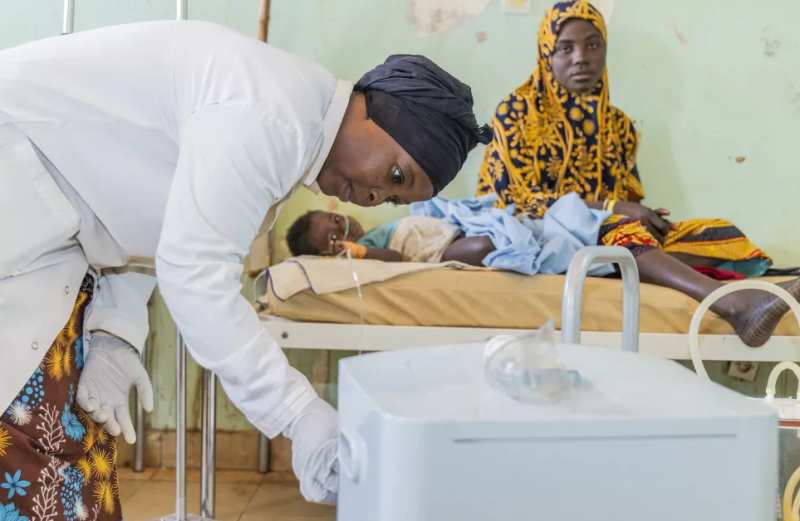
A significant milestone in international medical collaboration has been reached as the United States and Niger finalized a bilateral memorandum of understanding. This agreement outlines a comprehensive health cooperation framework valued at $179.3 million, spanning the next five years.
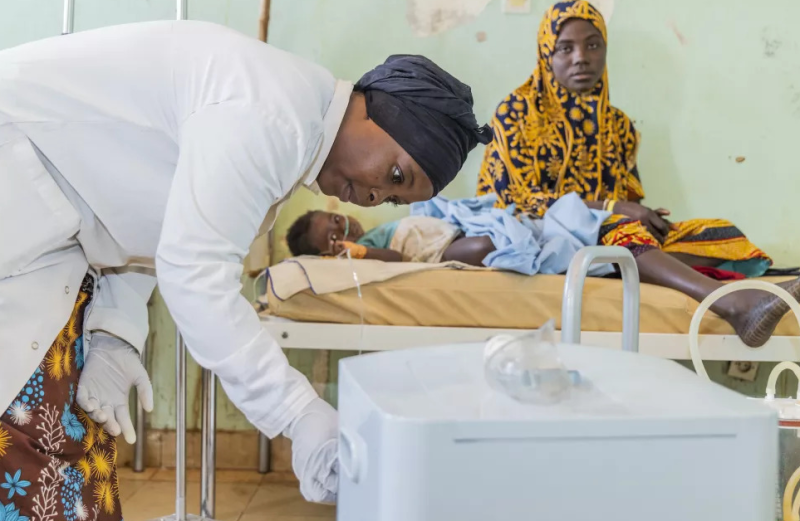
This strategic partnership is rooted in the “America First” global health approach. According to reports from the United States Department of State, Washington is set to allocate up to $107.4 million to assist Niger. These funds are earmarked for combating malaria, enhancing maternal and pediatric care, and strengthening epidemiological monitoring and emergency response systems.
Niger’s commitment to national health ownership
Demonstrating a strong dedication to the sustainability of these programs, the government of Niger has pledged to contribute $71.9 million from its own internal resources over the duration of the pact. This move highlights a growing trend toward national responsibility for critical healthcare initiatives.
A specific portion of the funding—totaling $5 million—will be dedicated to global health security and the implementation of a sophisticated, integrated digital health ecosystem. This technological upgrade will feature six distinct information systems, including:
- Electronic medical records
- Laboratory and pharmacy management tools
- Epidemiological surveillance networks
- Medical supply chain and stock management
- A centralized national data warehouse
The primary objective of this digital infrastructure is to bolster Niger‘s ability to detect and respond to disease outbreaks rapidly, ensuring that health threats are managed effectively at their source.
Broader impact of American health assistance
In a parallel move, the United States also formalized a health agreement with the Dominican Republic. That partnership, worth $60.8 million, focuses on the fight against HIV/AIDS and the establishment of a “7-1-7” health surveillance system. Together, these two international protocols represent a combined investment of over $240 million in global health, fusing American aid with local contributions.