Three new integrated health centers inaugurated in Maradi and Tessaoua to transform local healthcare
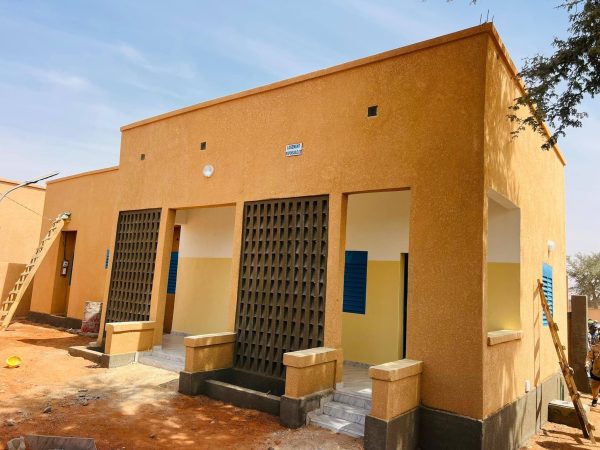
The Niger Region of Maradi is taking a giant leap in enhancing healthcare accessibility through the Projet Intégré de Développement Urbain et de Résilience Multisectorielle (PIDUREM). The inauguration of three new Type II Integrated Health Centers (CSI) in Maradi and Tessaoua marks a pivotal milestone in bringing medical services closer to urban and peri-urban populations.
These modern facilities are set to revolutionize healthcare delivery by reducing the burden on regional hospitals and ensuring that advanced medical equipment is within reach of residents. The initiative is not just about constructing buildings but about creating sustainable, functional health hubs that meet the real needs of communities.
How PIDUREM is reshaping healthcare infrastructure in Niger
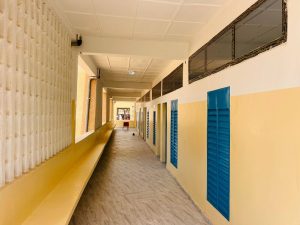
The PIDUREM initiative is not just about bricks and mortar; it’s a comprehensive approach to building resilient health systems. In Maradi, the new CSI at the ADS district in the third arrondissement stands as a testament to this vision. Simultaneously, Tessaoua’s Toudou neighborhood has welcomed its own state-of-the-art health center, both of which were provisionally handed over between March and October 2025. These facilities are now fully operational, equipped with cutting-edge technology to deliver high-quality care.
A representative from the Direction Régionale de la Santé Publique expressed optimism about the project’s impact: « Bringing healthcare directly to citizens is no longer a distant promise—it’s a tangible reality embedded in the heart of these neighborhoods. »*
Institutional commitment and community involvement
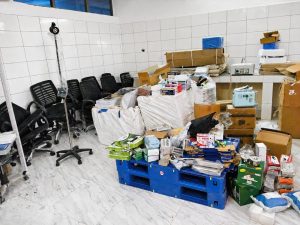
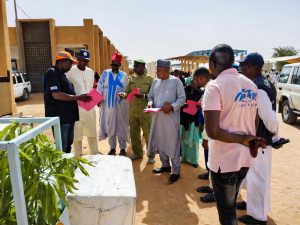
The project’s success hinges on robust collaboration between local authorities and health officials. Key stakeholders, including the Secrétaire général de la Région, the Administrateur délégué de la Ville, and the Directeur régional de la Santé publique, were present during the handover of essential medical equipment. This high-level engagement underscores the government’s dedication to improving public health outcomes.
The distribution of specialized equipment tailored for Type II health centers was a highlight of the initiative. In Tessaoua, a third site in Tsamia Koura is nearing completion, with equipment installation scheduled immediately after construction to ensure minimal disruption. This meticulous planning reflects the project’s technical rigor and long-term vision.
PIDUREM: A blueprint for sustainable healthcare development
Niger is racing to meet the Sustainable Development Goals (SDGs) in healthcare, and the PIDUREM model is leading the charge. By combining infrastructure development with the simultaneous delivery of medical equipment, the project avoids the pitfalls of so-called “empty shells”—facilities left unfinished or underutilized. In Maradi, this initiative is breathing new life into the concept of proximity healthcare, ensuring that quality services are accessible where and when they are needed most.
The PIDUREM approach demonstrates how strategic investments in health infrastructure can transform communities, reduce inequities, and foster resilience. As these new centers begin serving the public, they stand as powerful symbols of progress and a healthier future for Niger’s urban and peri-urban populations.