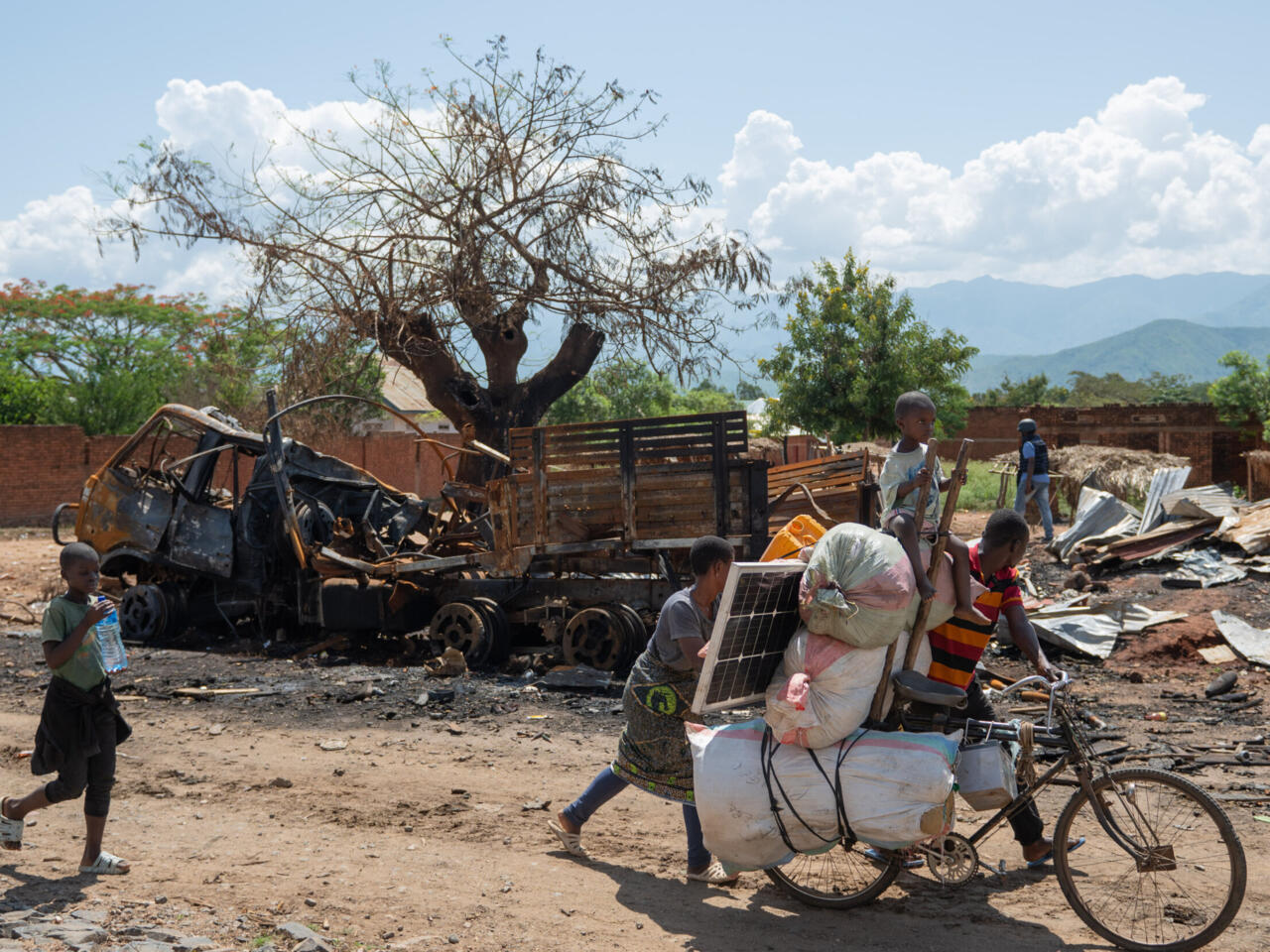
In Niger, the humanitarian crisis deepens as more than one million people have been forcibly displaced, according to the latest figures released by the United Nations High Commissioner for Refugees (UNHCR). Over half of these individuals are internally displaced persons (IDPs), with the majority concentrated in two southern regions plagued by terrorist activities. The remaining are refugees and asylum seekers, all in urgent need of support in a progressively challenging environment.
Recent data from the UNHCR reveals that Niger now hosts over 550,000 internally displaced people, including more than half who are children. Women make up 23% of this group, and the annual increase in displacement stands at 8%. However, the UNHCR notes that data validation by Nigerien authorities remains inconsistent, limiting a full understanding of the crisis’s scope.
Escalating violence fuels displacement
Nearly 45% of all displaced individuals—roughly 250,000 people—are located in the Tillabéri region in southwestern Niger. This area has experienced a sharp deterioration in security, marked by frequent attacks targeting both civilians and security forces, mass displacements, and heightened protection risks, particularly along border zones.
Another 30% of the displaced population resides in the Diffa region, which also faces relentless pressure from extremist groups. These regions, once stable, now epitomize the growing instability gripping the Sahel, where violence has surged, displacing entire communities and exacerbating food insecurity.
Refugees and asylum seekers swell the crisis
The UNHCR reports that Niger is also home to 447,000 refugees and asylum seekers, with children comprising over half of this population. The majority originate from Nigeria, followed by Mali and Burkina Faso. Since last year, their numbers have risen by 3%, attributed to expanded registration efforts. However, the underlying driver remains the relentless violence and instability in neighboring countries.
The Sahel, a vast semi-arid belt encompassing Mali, Burkina Faso, and Niger, is grappling with a humanitarian emergency fueled by escalating insecurity. Civilian-targeted violence, mass displacements, and soaring food shortages have created a dire situation, prompting global concern over the region’s stability.