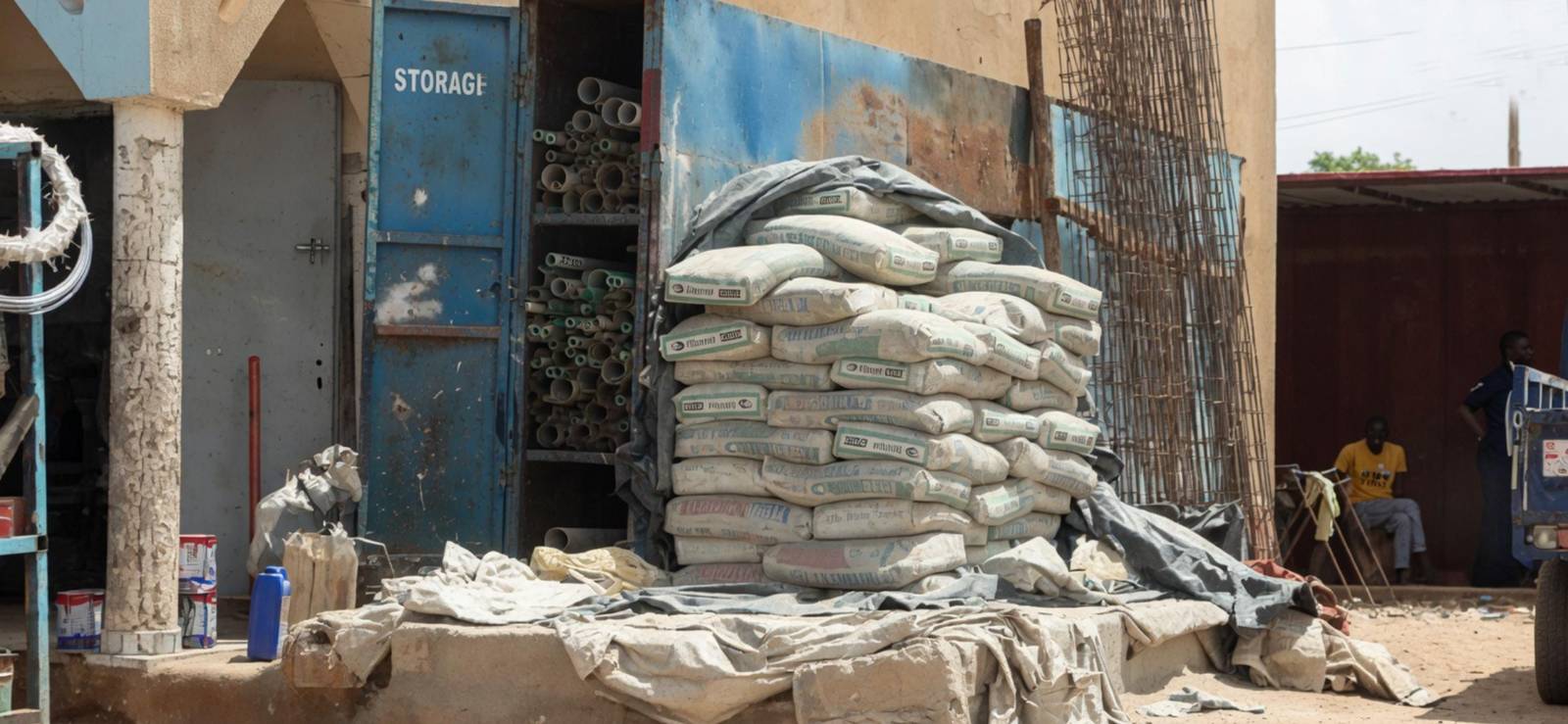
In response to soaring cement prices and widespread shortages across multiple regions, the Nigerien government has taken decisive action. On July 13, 2026, the Ministry of Trade and Industry issued two directives imposing a price ceiling on 42.5 N cement and introducing stringent penalties for non-compliance, including the confiscation of illegally hoarded stockpiles.
Measures to curb speculation or a temporary fix?
The government’s move aims to shield consumers from exploitative practices by certain traders accused of capitalizing on high demand through excessive pricing or artificial scarcity tactics. The stated goal is to prevent abuse and safeguard household purchasing power. Yet, the efficacy of this approach remains questionable.
Price controls, while intended to combat speculation, often serve as stopgap solutions rather than sustainable remedies. International precedents suggest such measures can backfire if unaccompanied by policies to enhance supply and secure distribution channels. By capping prices without addressing root causes—such as production costs, transportation expenses, or import challenges—the state risks exacerbating market imbalances. Distributors may respond by reducing sales, curtailing orders, or diverting products to unregulated markets where prices evade oversight.
The human cost of severe enforcement
The threat of systematic stock confiscation, intended to deter fraud, introduces further complications. Without transparent oversight mechanisms and robust legal safeguards, this provision risks enabling arbitrary decisions, operational abuses, or escalating conflicts between regulators and business operators.
Underlying sectoral weaknesses persist
Beyond targeting unscrupulous traders, the crisis underscores systemic vulnerabilities in Niger’s cement sector. Persistent supply bottlenecks, elevated logistics costs, importation hurdles, and inadequate local production capacity cannot be resolved by ministerial decrees alone. Economic stakeholders emphasize that price stability hinges on a properly supplied market—one that requires expanded production, streamlined imports when necessary, and improved distribution networks.
While the government’s intervention reflects an urgent response to public discontent, it remains an administrative Band-Aid for a complex economic wound. Controls may curb abuses temporarily, but they cannot substitute for the structural reforms essential to ensuring consistent, durable market supply.
A call for collaborative solutions
The path forward demands restoring trust among authorities, producers, distributors, and consumers. Without a comprehensive strategy that tackles the core drivers of speculation and shortages, price caps may provide only fleeting relief while introducing new distortions—with ordinary Nigerien citizens bearing the brunt of the consequences.