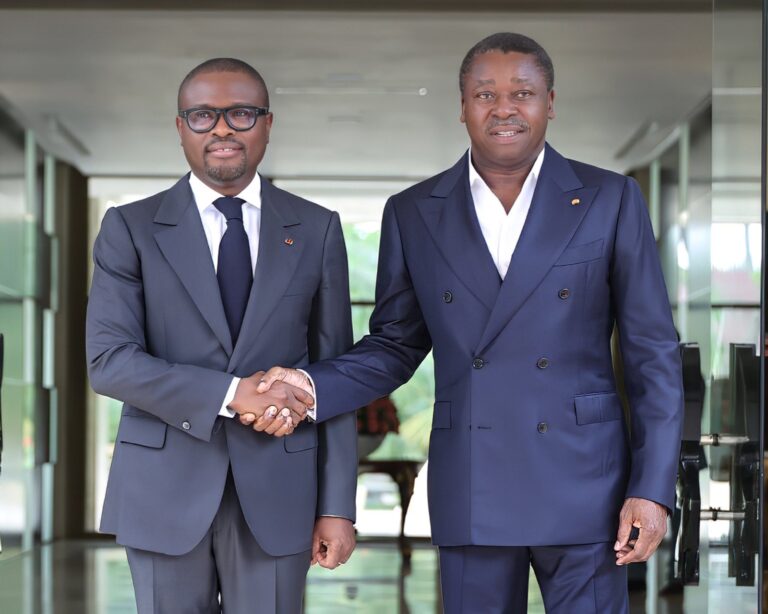
The brief yet significant visit of Macky Sall to Dakar on July 17th will unfold against a backdrop of unprecedented political dynamics since the presidential handover in April 2024. The former Senegalese head of state confirmed his arrival through his official social media channels, stating he would meet with President Bassirou Diomaye Faye. While the trip is framed as short-lived, its diplomatic implications extend far beyond a routine courtesy call.
The primary agenda item revolves around Macky Sall’s declared candidacy for the position of United Nations Secretary-General. Having lived in low-profile exile since the end of his mandate, the former president seeks Dakar’s formal backing to advance his bid on the global stage. Such endorsement from his home country is not just symbolic—it is a prerequisite for any realistic chance of securing the coveted position at the UN’s helm.
UN secretary-general bid hinges on Dakar’s approval
The role of UN Secretary-General operates under strict diplomatic protocols. A candidate’s prospects hinge first and foremost on securing the endorsement of their country of origin, a prerequisite before broader negotiations commence at the Security Council. For Macky Sall, this means obtaining a clear signal of support from Bassirou Diomaye Faye—an endorsement that, if granted, would set the stage for months of high-stakes diplomacy in New York.
The timing of this potential candidacy is equally critical. António Guterres’ term concludes at the end of 2026, and the unwritten tradition of geographic rotation favors an African candidate, a continent that has not held the position since Boutros Boutros-Ghali and Kofi Annan. Senegal now stands at a historic crossroads: if the current administration lends its backing, the nation could play a pivotal role in shaping the continent’s diplomatic future.
A meeting laden with unspoken political weight
The relationship between Macky Sall and Bassirou Diomaye Faye remains deeply colored by the legacy of Senegal’s political transition. The current president, who rose to power after a campaign launched from prison, represents a deliberate break from his predecessor’s policies. Since then, audits of former government operations and legal proceedings against officials from the Sall era have fueled persistent tensions between the two factions.
Within this charged atmosphere, the July 17th meeting carries implications that transcend the UN candidacy. It will implicitly probe the former president’s political future, the security assurances for his associates, and Senegal’s strategic positioning ahead of pivotal multilateral engagements. The brevity of the visit suggests the two leaders aim to address a single critical issue without delving into broader political negotiations.
A defining moment for Senegalese diplomacy
For Bassirou Diomaye Faye, this decision presents a delicate balancing act. Backing Macky Sall’s candidacy would elevate his predecessor’s international profile while positioning Senegal as a key player on the world stage. Conversely, withholding support—or delaying a decision—could derail Sall’s ambitions and draw criticism from both regional partners and segments of Senegalese society that view the country’s global influence as vital.
The stakes extend beyond bilateral relations. Senegal’s credibility within the African Union is also on the line, as collective regional backing for a unified candidate remains essential to influence Security Council deliberations. No official stance has yet emerged from the presidency regarding Sall’s bid, with the administration likely opting for a measured approach ahead of the meeting.
Regardless of the outcome, the July 17th encounter will mark the first public interaction between the two leaders since the 2024 transition. It may signal the beginning of a broader process of political normalization, a necessity as the Faye-Sonko administration advances economic and institutional reforms aimed at fostering stability and progress in Senegal.