Amidst the 219-page National Human Development Report (RNDH) 2026, a single line reveals a startling truth: over 77% of Nyanga’s residents live below the poverty line. This stark figure, tucked away in the report, stands in sharp contrast to Gabon’s official narrative of high human development and its consistent ranking among Africa’s top-performing nations.
Poverty in Nyanga defies Gabon’s national development narrative
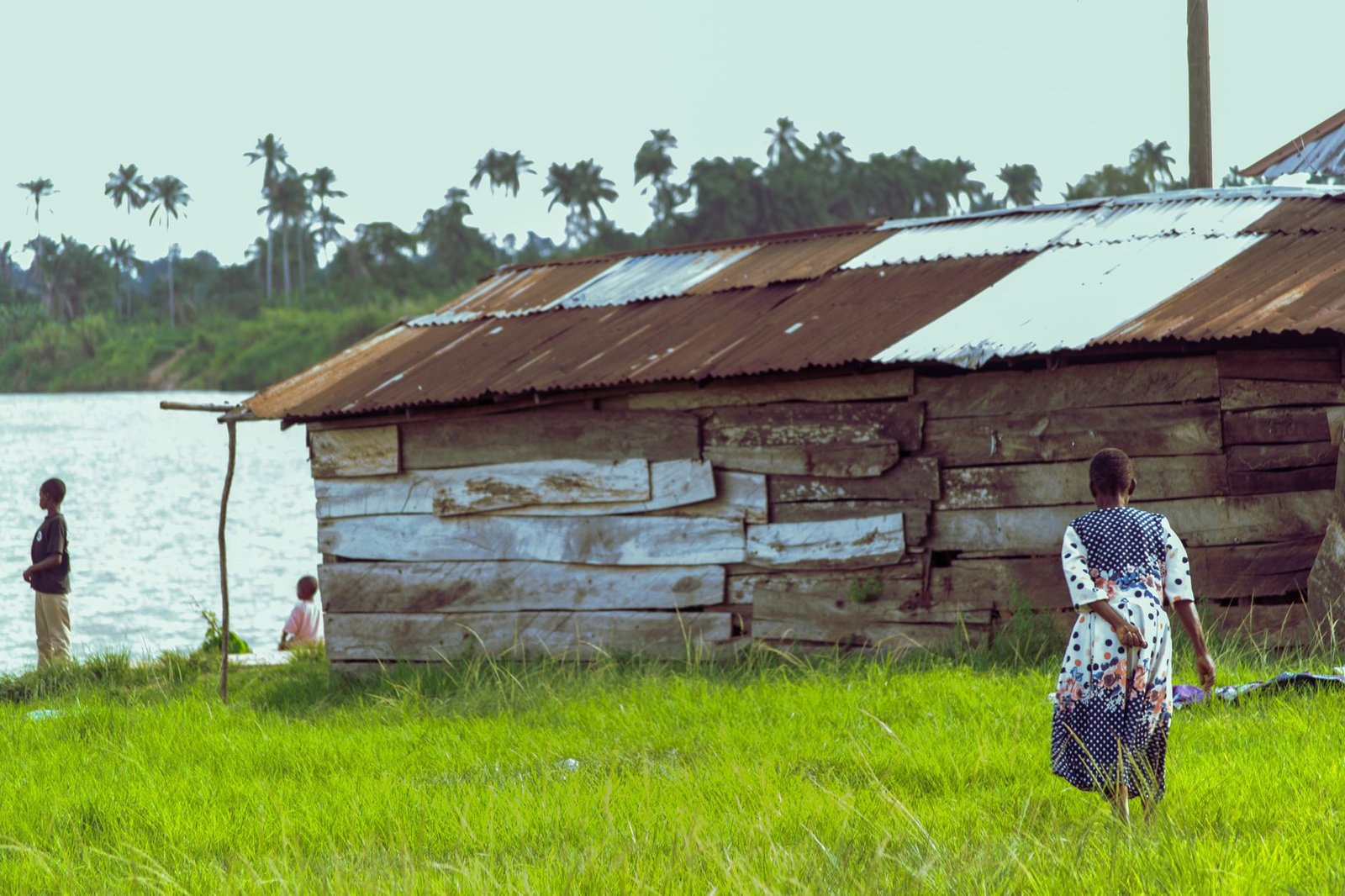
Nyanga, Gabon’s southernmost province bordering the Republic of the Congo, remains one of the country’s least populated and most isolated regions. Tchibanga, its administrative hub, serves as the primary center for public services, yet access to essentials like electricity, clean water, and healthcare remains critically inadequate. While observers familiar with the region may find the 77% poverty rate unsurprising, the stark disparity between this local reality and Gabon’s macroeconomic standing as an upper-middle-income oil-producing nation raises urgent questions.
Gabon consistently ranks high in the United Nations Development Programme’s Human Development Index, a metric that aggregates national averages. However, this top-level performance obscures significant regional disparities, which the RNDH 2026 documents without always emphasizing their severity. The Nyanga statistic exemplifies this gap: buried in the report’s pages, it lacks visibility in executive summaries or policy recommendations.
Transparency challenges in public statistics
The understated presentation of Nyanga’s poverty rate highlights a broader issue with public reporting. A national human development report is meant to guide policy decisions and prioritize interventions. When a province reports poverty levels three to four times the national average, such data should logically shape budgetary allocations. Instead, the treatment of Nyanga’s figure suggests a disconnect between documentation and actionable policy.
This phenomenon is not unique to Gabon. Several Central African nations, rich in extractive resources, showcase impressive macroeconomic indicators alongside deep rural poverty. These disparities often stem from historical centralization of power, administrative neglect, and investment concentrations in economic hubs like Libreville and Port-Gentil. In Nyanga and other remote provinces, the absence of comparable infrastructure and services persists, exacerbating regional inequalities.
Nyanga: a microcosm of Gabon’s regional divides
For Gabon’s transitional authorities, in power since August 2023, these statistics represent a critical test. Official discourse emphasizes restoring territorial equality and addressing rural isolation, with commitments to road rehabilitation, rural electrification, and agricultural revival. Yet, the true measure of these promises will lie in the next budget allocations and their execution on the ground.
Nyanga, once celebrated for its agricultural potential and cattle ranching, now exemplifies the disconnect between latent wealth and lived poverty. Many ranches, once pivotal to the region’s self-sufficiency in meat production, operate far below capacity. The exodus of young people to Libreville drains the province of its workforce, perpetuating a cycle of impoverishment that national statistics alone cannot capture.
The release of the RNDH 2026 provides a vital data foundation, provided sensitive figures are not lost in the report’s vastness. The challenge now is not merely acknowledging Nyanga’s poverty rate but ensuring it drives concrete, time-bound interventions. Without clear prioritization, even the most revealing data risks becoming another unaddressed finding in a long list of unfulfilled assessments.