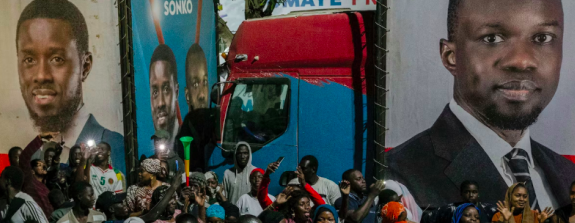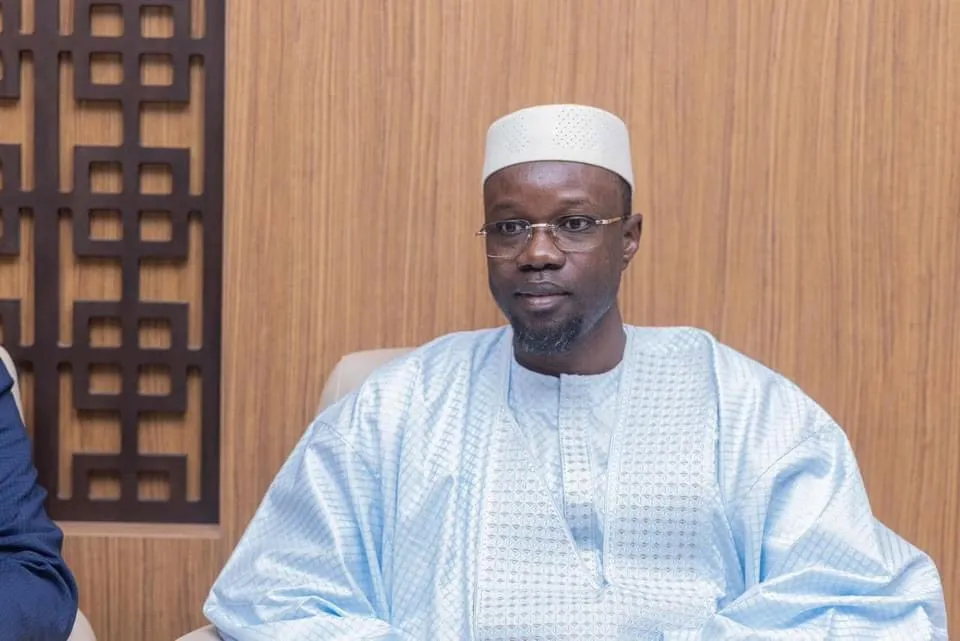
For years, Ousmane Sonko embodied the hope of a radical break, positioning himself as the providential figure Senegal longed for to sweep away entrenched political practices. His fiery rhetoric painted him as the nation’s political savior, destined to deliver change. Yet after two years at the helm of government, the verdict is unambiguous: the gap between his opposition-era promises and governance realities has never been wider.
Two years of power: the void left behind
Governance is not about rhetoric—it’s about execution. Twenty-four months into his presidency, systemic transformation remains a distant dream. Economic missteps, the absence of sweeping structural reforms, and stagnant social indicators reveal a government struggling to deliver. Where citizens expected tangible solutions for purchasing power, youth employment, and economic revival, they found only short-sighted management and unfulfilled pledges.
This glaring incompetence underscores a harsh truth: eloquence alone cannot substitute for governing competence. The mantle of leadership proved far heavier than Sonko anticipated, exposing his lack of preparedness for the complexities of statecraft.
From ethics to hypocrisy: the broken promises
The most jarring disappointment lies in the erosion of ethical standards. Once a champion of public morality and institutional renewal, Sonko has swiftly adopted the very practices he once condemned. Nepotism, favoritism, and opacity now define his administration, betraying the values he once espoused. His dogmatic approach to governance has sacrificed republican principles on the altar of partisan interests, alienating the youth who once placed their faith in his integrity.
A constitutional coup: the final straw
The most glaring transgression came when Sonko reshaped the balance of power in the National Assembly. By imposing a contentious institutional framework, he bypassed constitutional norms, a move widely condemned by legal experts and political observers alike. Such disregard for democratic checks and balances is the hallmark of authoritarian regimes—not leaders sworn to uphold the rule of law.
This flagrant violation of Senegal’s fundamental laws has stripped away the last vestiges of his credibility. The people of Senegal deserve leaders who govern with transparency and respect for institutions—not figures who twist constitutional principles to consolidate power.
The end of the messiah myth
The power of governance has exposed the chasm between Sonko’s aspirations and his capabilities. His presidency, devoid of meaningful achievements, has eroded the myth of his messianic leadership. It is time for citizens to see him not as a savior, but for what he truly is: a politician whose mastery of rhetoric far outstripped his ability to lead. The illusion has vanished, leaving behind a trail of unmet promises, ethical failures, and constitutional violations.
Senegal’s political future must be built on competence, integrity, and respect for democratic institutions—not on the hollow promises of self-proclaimed prophets. The era of uncritical adoration is over. In the face of incompetence, hypocrisy, and unconstitutional maneuvering, the path forward demands republican resilience and political clarity.