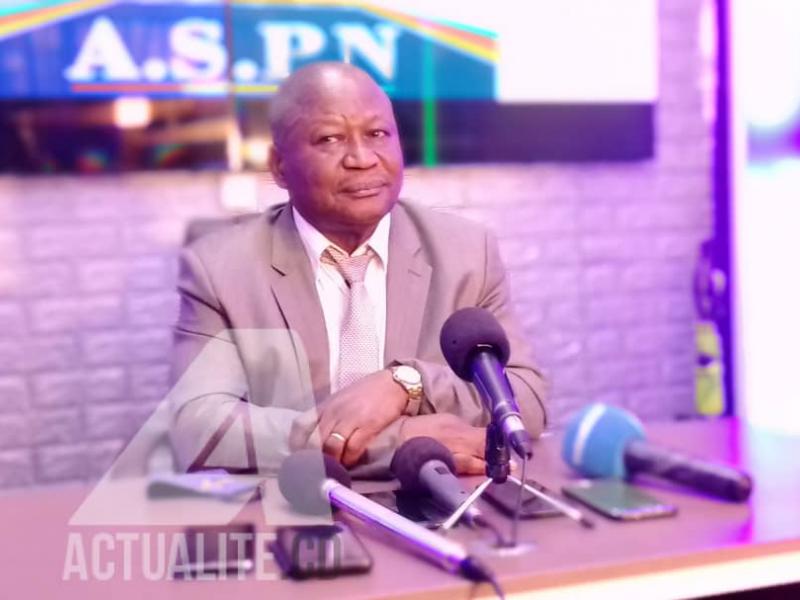
Human rights in DRC: Paul Nsapu highlights stark contrasts between Kinshasa and eastern regions
- Society
Human rights in DRC: two realities under President Tshisekedi
During a live debate on Tuesday hosted by Stanis Bujakera Tshiamala, Paul Nsapu, Chair of the National Human Rights Commission (CNDH), presented a nuanced assessment of human rights under President Félix Tshisekedi’s administration. While acknowledging legislative progress, he underscored the existence of two sharply contrasting realities across the country.
In the provinces under Kinshasa’s control, Nsapu identified systemic violations of civil, political, economic, and social rights—including access to work, healthcare, and education. These issues, he argued, stem from decades of governance failures, marked by chronic underdevelopment and persistent degradation of living conditions for ordinary citizens.
However, the situation in the east paints an even grimmer picture. In North Kivu, South Kivu, and parts of Ituri, Nsapu described a daily assault on fundamental human rights: the right to life, security, and individual freedom. He specifically cited the presence of Rwandan military forces and their allied militias in areas beyond Kinshasa’s control as key drivers of this deterioration.
Related Posts
Repeated miscarriages in young mothers in Chad: causes and solutions
Silent suffering: why young mothers in Chad face repeated miscarriages In neighborhoods across N’Djamena and smaller cities in Chad, repeated miscarriages among young women have […]

Tackling the normalization of corruption in Mali: the weight of “small gifts”
“Bonya” (respect), “woro songo” (the price of cola), or “buru songo” (the price of bread) — these are just a few of the local terms […]
Cameroun: L’usage croissant du test de paternité chez les hommes
Certains Camerounais ne se limitent plus aux simples déclarations de leurs conjointes leur annonçant l’arrivée imminente d’un nouveau-né dans la famille. Pour néanmoins rester en […]