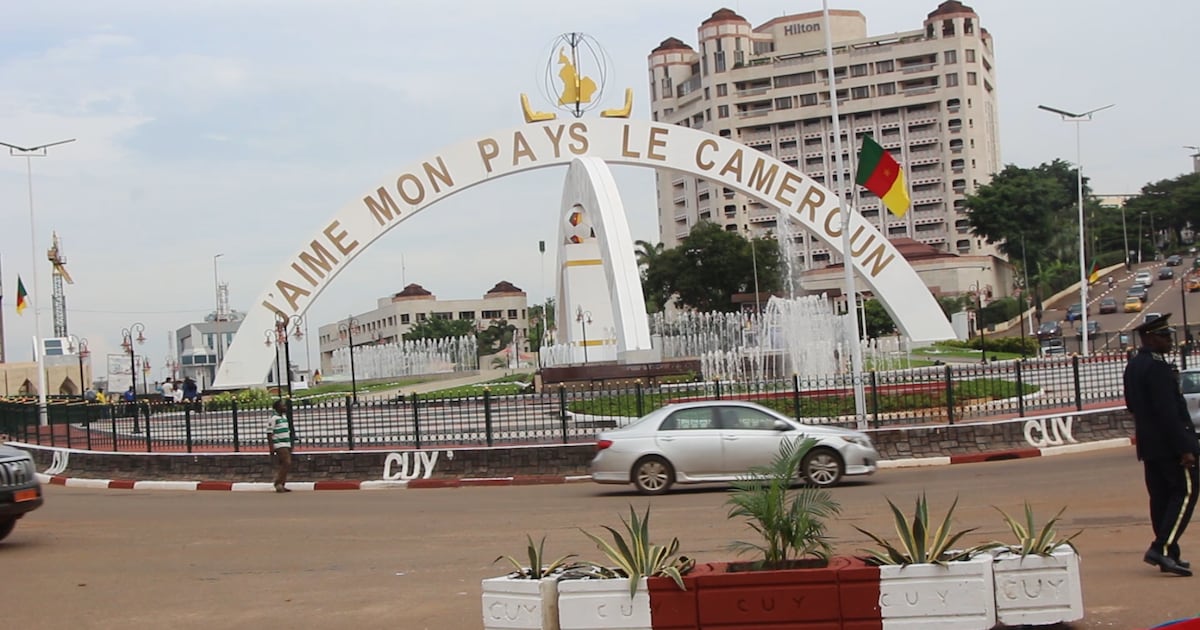
In Cameroon, civil law upholds the principle of marital freedom, guaranteeing every individual the right to choose their spouse and to consent to marriage voluntarily. This legal framework emphasizes that consent must be free and informed, completely devoid of coercion or violence. Yet, despite these legal protections, deep-rooted cultural practices in certain communities continue to prioritize parental authority over personal choice.
When families decide, not individuals
In regions like West Cameroon, it remains common for parents to take the lead in selecting a spouse for their children. Waffo Marie Chantal, a resident of Yaoundé’s Madagascar neighborhood, explains the rationale behind this tradition: «Choosing a spouse for one’s child isn’t just about preference; it’s a safeguard. Parents meticulously investigate the lineage of the potential family, ensuring they aren’t associated with laziness or other undesirable traits. After thorough vetting, families meet to negotiate, and upon mutual agreement, the engaged couple is informed and the wedding proceeds according to local customs.» For her, marriages are alliances between families, not merely unions of individuals.
Generational divide over marital choice
The tension between tradition and modernity is palpable, especially among younger Cameroonians. Audrey Wandji, a young woman from the Biyem-Assi district, rejects the idea of parental interference in marital decisions. «We’re not living in the past where parents dictated who we married. I refuse to accept that. I want a partner I love wholeheartedly, someone I’ve chosen for myself,» she asserts firmly. Her stance reflects a growing generation gap where personal autonomy clashes with cultural expectations.
Legal rights vs cultural expectations
The clash underscores a broader societal debate: Can civil law truly override centuries-old customs? While the legal system champions individual freedom, many communities still view marriage as a collective responsibility, where families play a pivotal role in ensuring compatibility and social harmony. This divide highlights the challenges of reconciling tradition with progress, particularly in a country as culturally diverse as Cameroon.