China Commends DRC’s Efforts to Combat Sexual Violence and Pledges Peace as the Solution
- Security
The escalation of sexual violence in conflict zones has reached alarming levels, with women and girls bearing the brunt of these atrocities, the Chinese ambassador to the United Nations warned during a high-level session of the UN Security Council. Fu Cong, speaking on behalf of Beijing, condemned the use of sexual violence as a weapon of war and terrorism, labeling these acts as blatant violations of international law and UN resolutions.
The diplomat highlighted that sexual violence linked to conflict has more than doubled in the past year, reaching unprecedented levels amid escalating wars and the erosion of international humanitarian law. The Democratic Republic of the Congo (DRC) remains one of the most affected countries, particularly in its eastern regions, where armed groups—both local and foreign—and external aggression, including Rwanda-backed AFC/M23 rebels, continue to terrorize communities.
Fu Cong emphasized that sovereignty must be respected and that the primary responsibility for combating sexual violence lies with the states directly affected. He called on the international community to fully respect the sovereignty and authority of these nations while providing support to strengthen their security and rule-of-law frameworks. This support, he argued, is essential for ensuring justice for victims and holding perpetrators accountable.
Peace as the Foundation for Eradicating Sexual Violence
In his address, Fu Cong underscored that peace and stability are prerequisites for eliminating sexual violence in conflict zones. He pointed out that armed conflicts, social unrest, and weakened state institutions create fertile ground for such crimes to thrive.
“Only through peace and stability can we uproot these atrocities and create an environment conducive to judicial and humanitarian action. The international community must embrace a shared vision of comprehensive, cooperative, and sustainable security. This includes prioritizing peaceful dispute resolution, preventive diplomacy, mediation, and ceasefire enforcement—while maintaining a zero-tolerance stance against terrorism and all its manifestations.”
Supporting Survivors: A Moral Imperative
The Chinese representative also stressed the critical need to bolster support systems for survivors. He noted that helping victims recover physically, mentally, and economically is vital for promoting justice, social equity, and long-term stability.
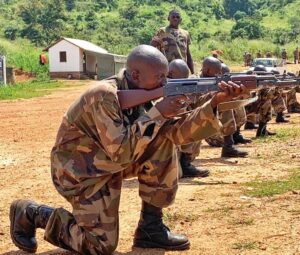
China praised the DRC’s proactive measures, including investigations, prosecutions, military management reforms, public reparations, and survivor assistance programs conducted in collaboration with the UN. Such efforts, he noted, have yielded significant progress in addressing sexual violence in conflict zones.
“The UN Secretary-General’s report highlights the DRC’s and Colombia’s collaborative efforts with the UN to implement tailored solutions. These include strengthening military and police oversight, providing reparations, and delivering comprehensive support to survivors and children born of conflict-related violence. We commend these initiatives and urge continued commitment from the UN’s special representatives and expert groups to assist affected nations in their fight against sexual violence.”
Fu Cong further called for increased international financial support, warning that funding shortages have forced humanitarian agencies to scale back critical programs in conflict zones. He urged traditional donors, particularly those with historical responsibilities, to fulfill their commitments and provide stable, predictable funding to victims and survivors.
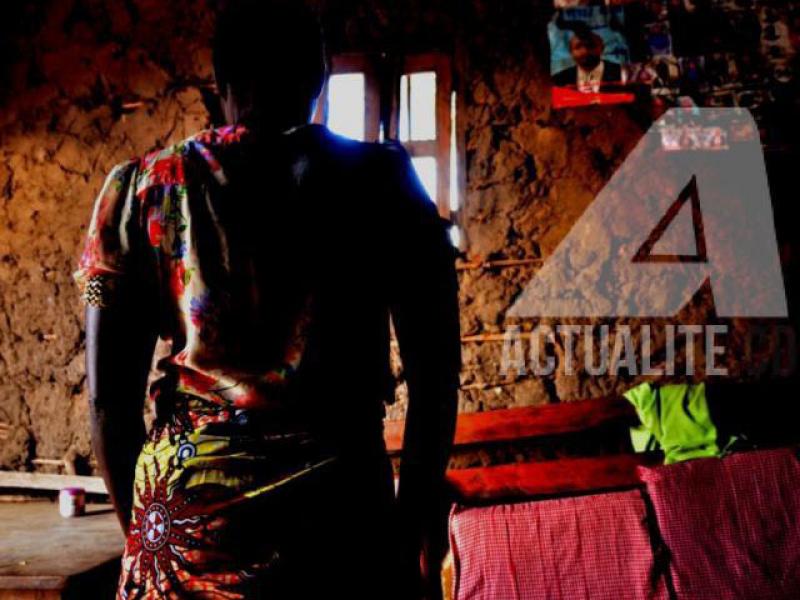
The session took place against a backdrop of persistent insecurity in eastern DRC, where women and girls remain particularly vulnerable to sexual violence amid ongoing clashes between armed factions and foreign-backed insurgencies. Despite diplomatic efforts to broker peace, the humanitarian crisis continues to deepen, with civilians—especially women—paying the heaviest price.