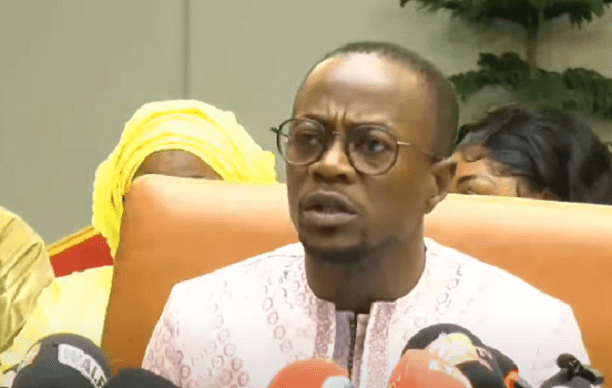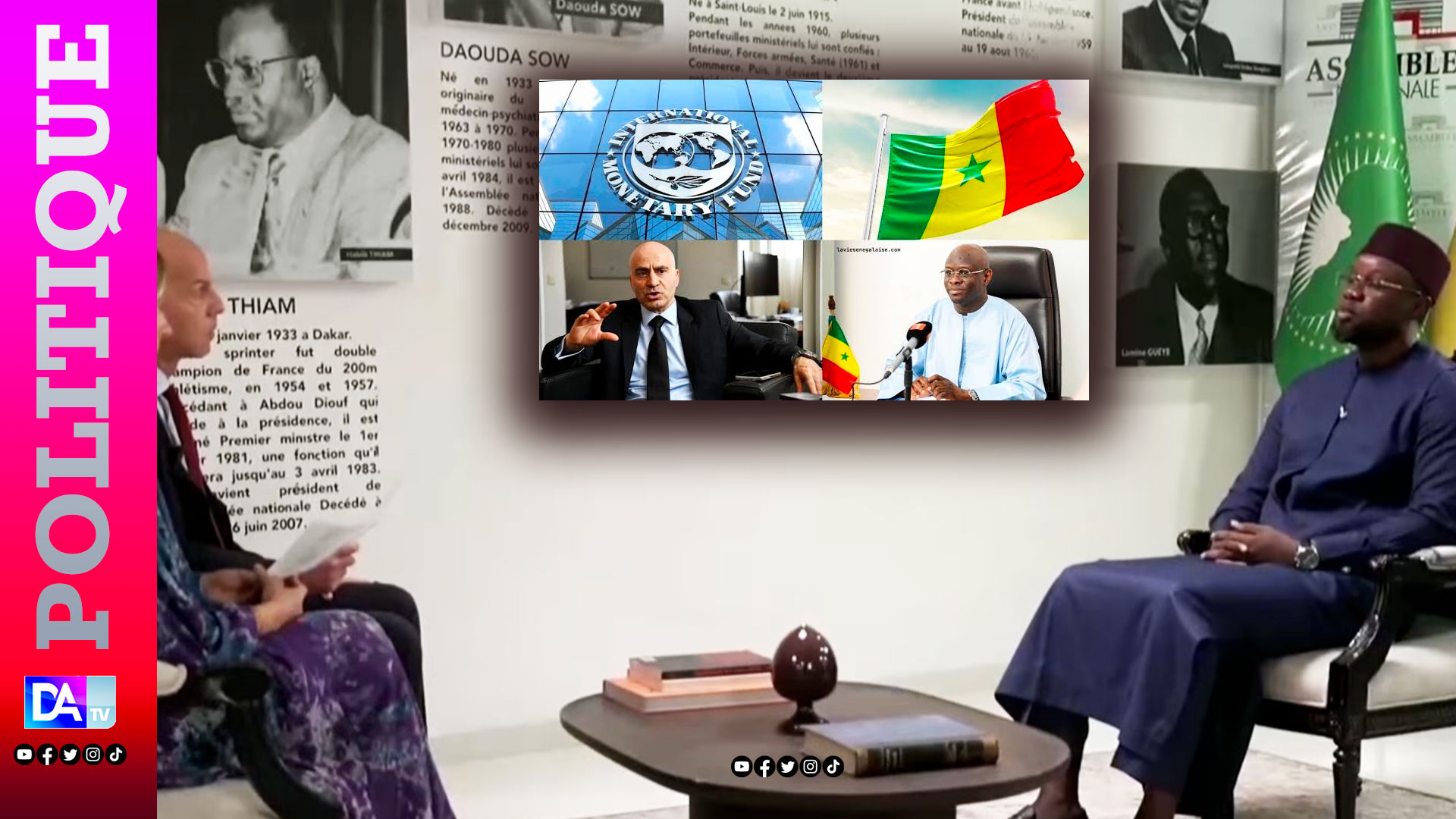
Since Bassirou Diomaye Faye became Senegal‘s President in 2024, the Pastef-Les Patriotes party has faced an unparalleled internal crisis. The removal of Ousmane Sonko from the Prime Minister’s office and the subsequent reshuffling of the executive branch have triggered a wave of departures among high-ranking officials, sparking fierce debates over the party’s future direction.
Leadership tensions: legitimacy versus charisma
The split within Pastef reflects a deeper clash between two forms of political legitimacy. On one side stands President Bassirou Diomaye Faye, whose authority stems from institutional legitimacy—the Constitution and the presidency. On the other, Ousmane Sonko draws strength from his long-standing charismatic bond with the party’s grassroots supporters, many of whom identify more as “sonkistes” than simply as “pastefiennes.”
Dissident leaders argue that President Faye now embodies the true spirit of the Pastef project, accusing Sonko of fostering an overly centralized leadership style marked by weak internal democracy and a cult-like following. Yet, this perspective overlooks a critical reality: most of the defectors are public officials who rose to prominence through Pastef, often with Sonko‘s direct backing. Their political capital remains largely institutional, not electoral, leaving them with little independent grassroots support.
The resilience of a party rooted in the people
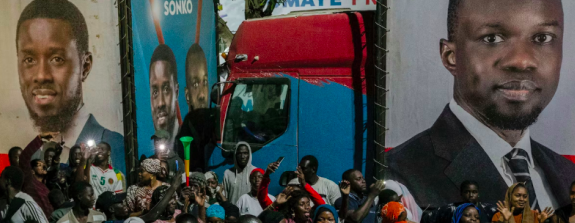
Despite the high-profile departures, Pastef continues to thrive as a mass movement, sustained by thousands of militants who fund the party through membership dues and maintain its presence across Senegal’s regions. The party’s recent national congress on June 6, which reaffirmed Sonko’s leadership with unanimous support, and his subsequent mass rally at the Dakar Arena on June 7—both held without the dissidents—underscored the enduring strength of his charismatic appeal. The July 4 membership drive also drew significant turnout, further demonstrating the party’s organizational vitality.
The fusion of over 60 political groups with Pastef ahead of the congress highlights another key advantage: the party’s ability to expand its influence beyond its traditional base. This adaptability sets Pastef apart from other Senegalese parties, where loyalty often hinges on a single leader’s personal following—a dynamic reminiscent of Abdoulaye Wade‘s relationship with the PDS, though Sonko‘s impact appears even more transformative. His leadership has propelled Pastef to historic electoral victories, including winning 130 out of 165 parliamentary seats in 2024.
Can the dissidence reshape Senegal’s political landscape?
While the current crisis poses risks to Pastef’s cohesion, the dissidents’ lack of grassroots anchoring limits their potential to challenge the party’s dominance. Their political futures hinge on the resources of the state rather than on an autonomous voter base. However, the emergence of a rival party around President Faye could attract opportunistic politicians seeking to align with power—a common pattern in African political systems. The coexistence of two competing centers of legitimacy—one institutional, the other partisan—risks prolonging internal strife.
The real test for Pastef lies in whether Sonko’s charismatic leadership can translate into sustained electoral success. Can he continue to mobilize voters to elect mayors, deputies, and even a president? The answer will not only determine the party’s survival but also reshape Senegal’s political landscape for years to come.