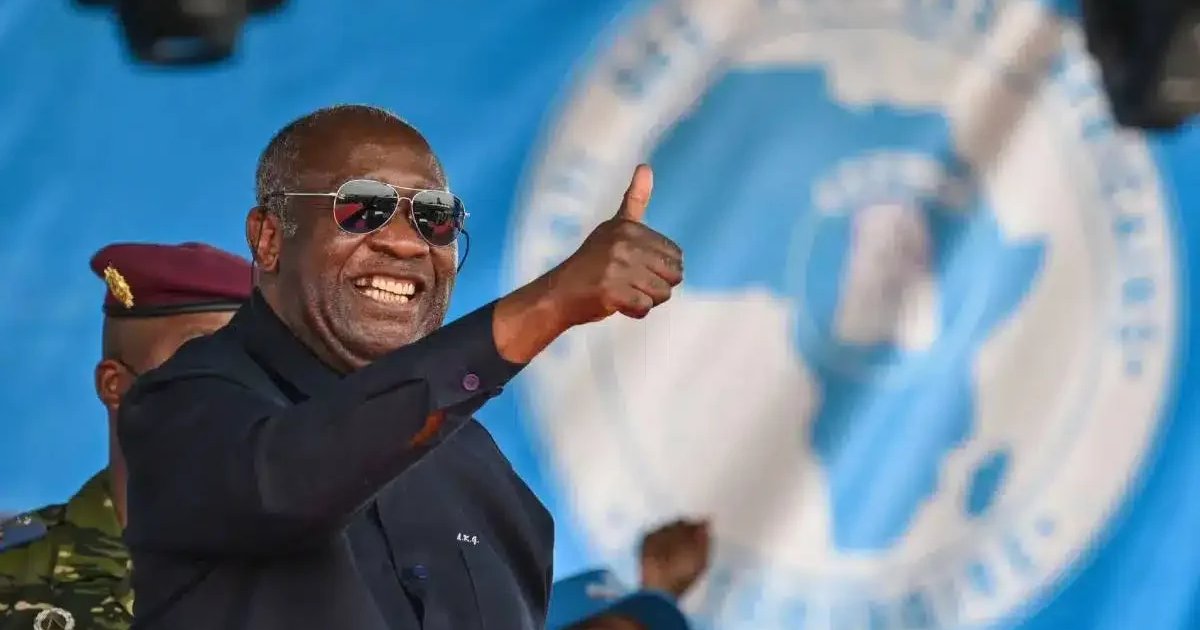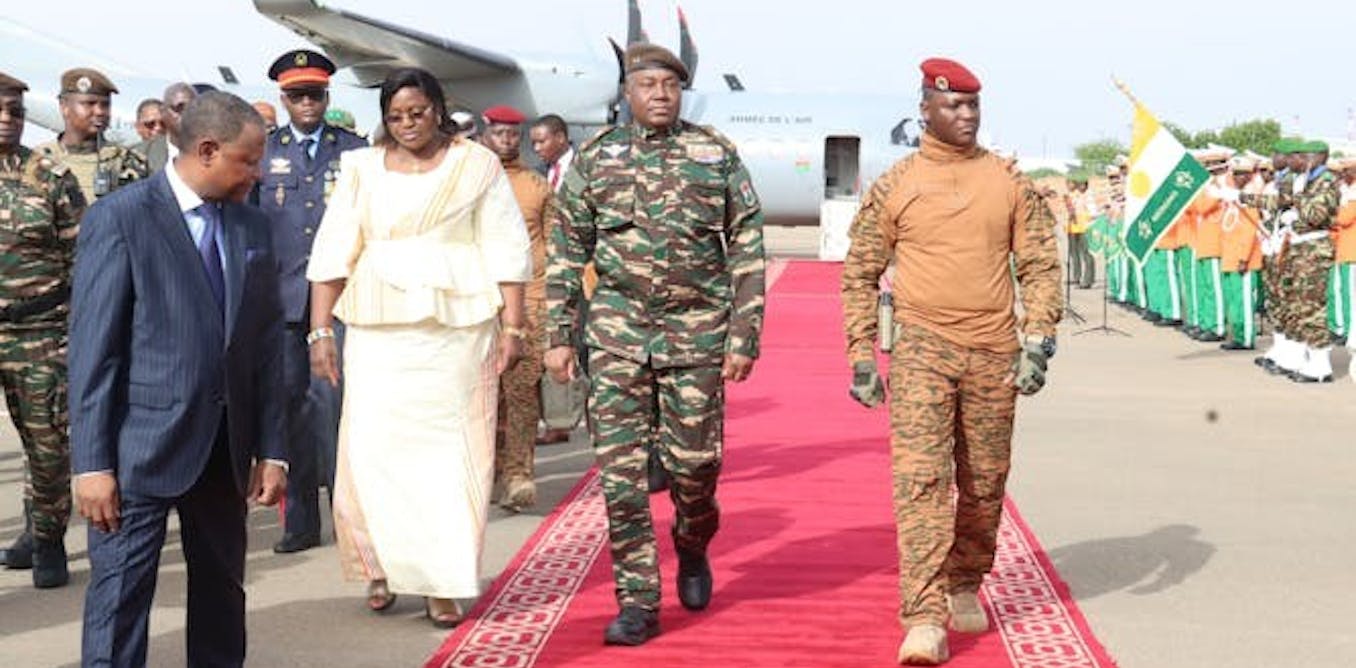
The landscape of governance in Burkina Faso shifted dramatically in early 2026. On January 29, the administration led by Captain Ibrahim Traoré enacted a decree to officially dissolve every political party in the nation. This sweeping move targeted not just the opposition, but also the very groups that had championed his rise to power in late 2022.
While political activities had been suspended since Traoré first took control, the junta described this latest escalation as a necessary “restructuring.” They claim it is a move to unify the country and eliminate social friction. However, in the realm of African politics English readers follow closely, this is seen as a definitive strike against independent civic engagement, effectively centralizing all authority under Traoré while the state seizes party assets.
This transition away from civilian involvement is a sharp departure from the junta’s early rhetoric of revolutionary renewal and popular mobilization. Yet, for those tracking Africa news, this trajectory is a familiar one. Across the Sahel and the wider continent, those who support military takeovers often find that their initial influence is short-lived. History shows that juntas frequently marginalize or repress the very civilian groups that helped them stabilize their grip on the state.
Analysis of pan-African journalism and decades of military coups reveals a consistent pattern: once in power, military leaders have little desire to share it. Civilian groups are vital during the first days of a coup to provide a veneer of legitimacy and show the world that the takeover reflects public anger. However, these allies soon become liabilities. Because they possess their own leadership and specific demands for a transition to democracy, they are eventually viewed as threats by the military hierarchy.
The recurring myth of lasting civilian influence
Contrary to the idea that coups are purely military affairs, these takeovers frequently attract significant civilian backing. In many instances, citizens actively invite military intervention to resolve political deadlocks. This has been a defining feature of the recent wave of instability across the continent press reports, from Mali to Niger.
For military leaders, these alliances provide immediate grassroots support. However, as the Panafrican Press often highlights, these partnerships are usually tactical. Once the new regime is established, the military frequently pivots to suppress its former partners to avoid any criticism of the transition’s pace or direction.
This historical trend is evident in cases like Sudan’s 1969 coup. The Communist Party initially backed Colonel Jaafar Nimeiri, only to be purged from government within months and eventually crushed by 1971. Similarly, after the 2013 intervention in Egypt, the Tamarod movement saw its political influence evaporate as General Abdelfattah el-Sisi consolidated power.
The Sahelian experience: from allies to outcasts
Today, civilian organizations in the Sahel are facing the same harsh reality. In Mali, the M5-RFP coalition—which played a pivotal role in the August 2020 protests that led to the ousting of Ibrahim Boubacar Keïta—has become a vocal critic of Colonel Assimi Goïta’s junta. Despite their early support, they were systematically excluded from key government roles, especially after the second coup in May 2021.
Guinea tells a similar story. Opposition leaders who cheered the removal of Alpha Condé by General Mamady Doumbouya in 2021 even lobbied ECOWAS to avoid sanctions. However, they were soon sidelined, and many were later arrested for protesting their exclusion from the political process. The recent developments in Burkina Faso are simply the latest chapter in this long-standing narrative of military rule and the erosion of partisan politics.