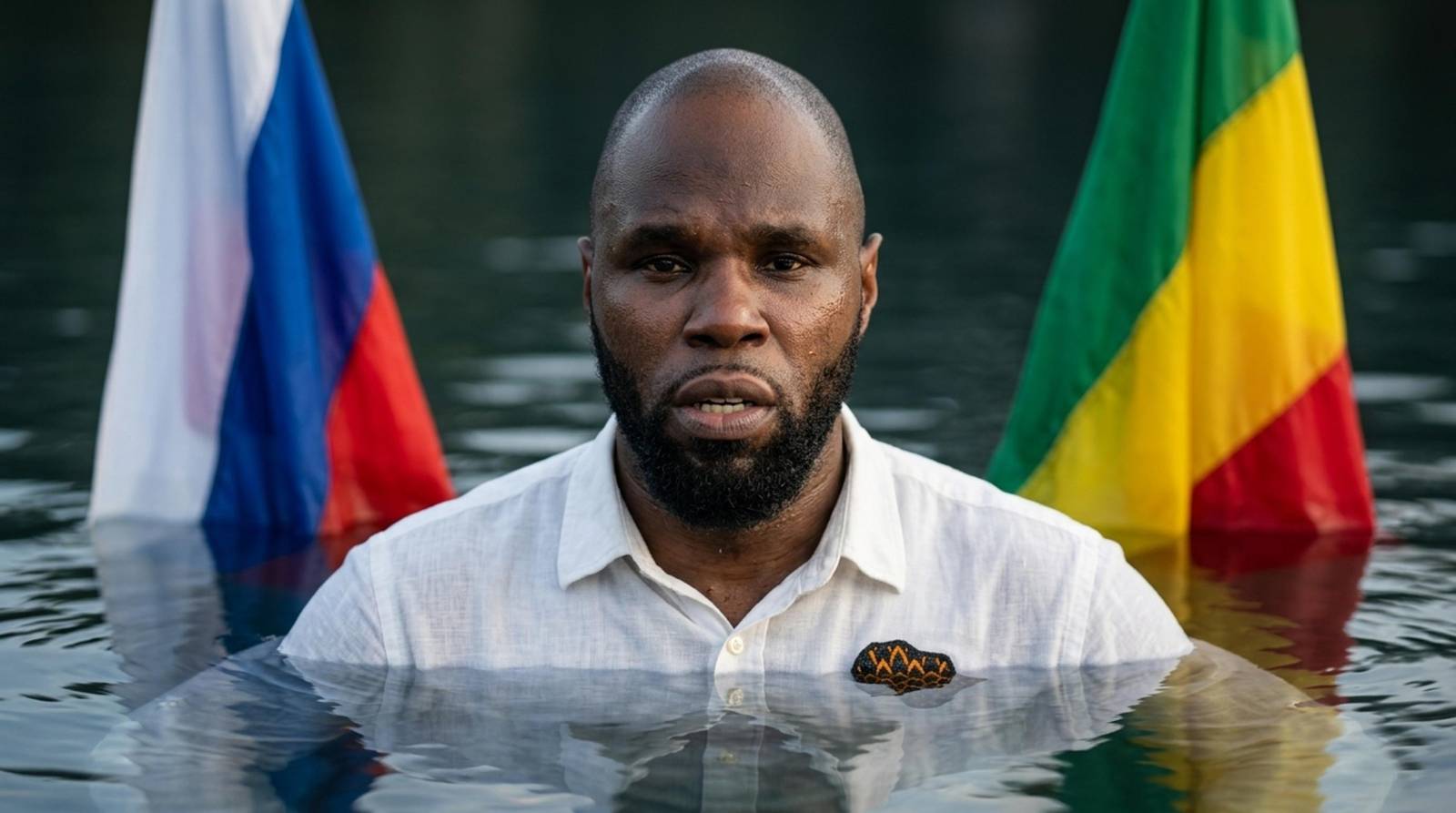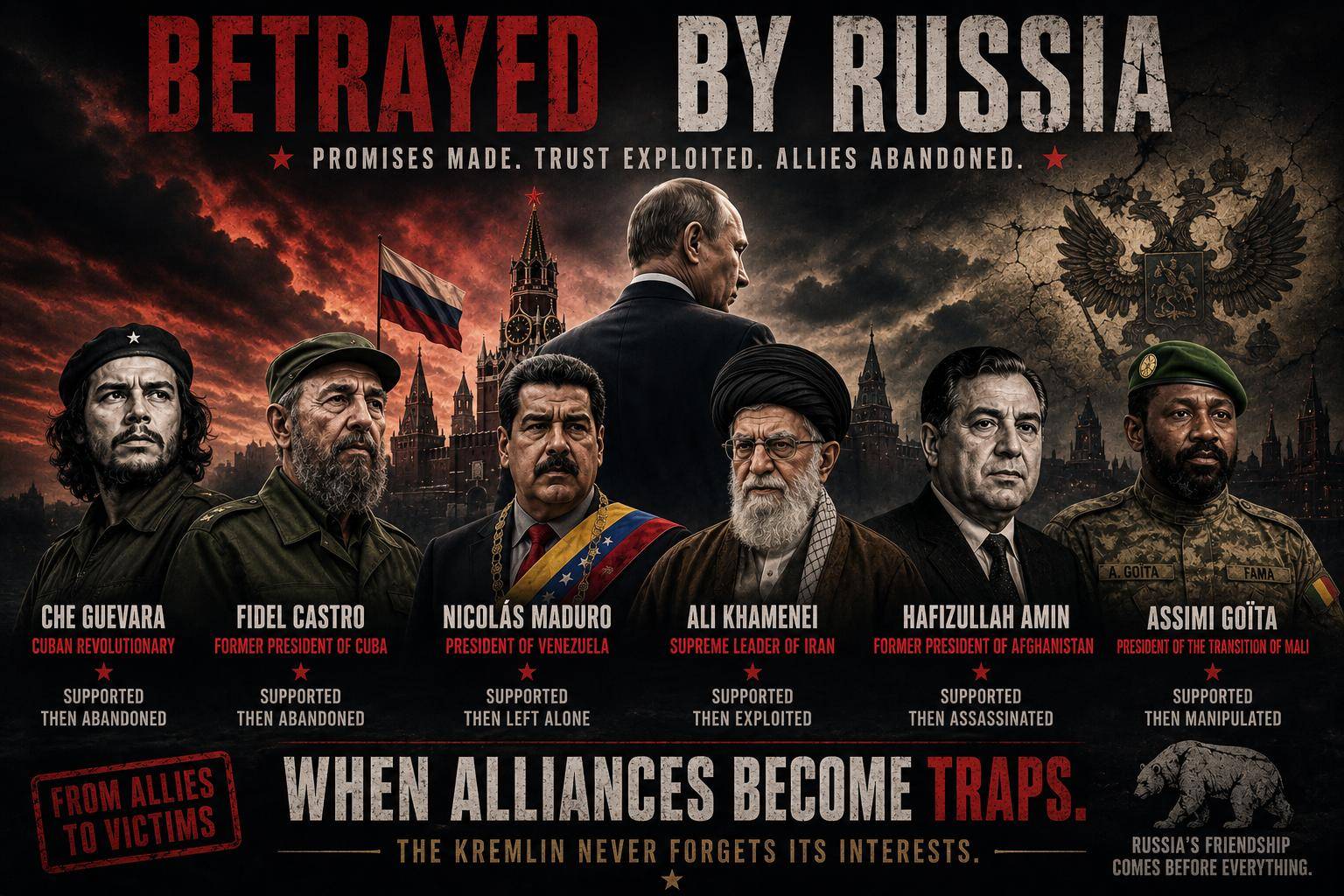
As crises mount for Russia’s strategic partners worldwide, a striking diplomatic pattern has emerged: Moscow’s resounding silence. Far from the image of an unwavering patron ready to shield its allies at the slightest sign of distress, the Kremlin appears to have adopted silence as a deliberate strategy whenever its partners face turbulent times. Let’s examine this calculated approach of strategic withdrawal.
This scenario repeats with almost mechanical precision. Whether it’s localized military setbacks, internal political turmoil, or widespread public upheaval among its allies, Russia’s first response isn’t fiery declarations of support or immediate rhetorical reinforcements. Instead, it’s an absolute media blackout—a near-clinical silence that starkly contrasts with Moscow’s usual international activism.
the “wait and see” compass guiding Russia’s diplomacy
For international relations experts, this ostrich-like reflex isn’t a spontaneous display of weakness; it’s a cold, calculated pragmatism. When an ally falters, the Kremlin deploys a “wait and see” approach. The primary goal? To avoid at all costs associating Russia’s prestige and credibility with a failing cause or a leader on the brink of collapse.
By retreating into passive observation, Moscow secures maximum flexibility. If the partner manages to right the ship independently, official support can resume seamlessly. But if the regime faces irreversible decline, the prior silence allows Russia to avoid sinking with it—and, if necessary, quietly initiate talks with emerging power brokers.
silence as a silent rebuke
Yet this mutism is also a message in itself—a form of subliminal diplomacy. While Western chancelleries flood the airwaves with public condemnations or formal calls for restraint, Russia expresses its disapproval or irritation through omission. When an ally crosses a red line, mishandles a crisis, or stumbles into a dead end without Moscow’s approval, the Foreign Ministry’s silence serves as a discreet reprimand. A way of telling the struggling nation that it must bear the cost of its mistakes alone—without exposing the alliance’s fractures to the world.
alliances built on pure transaction
This stance reveals the true nature of Russia’s partnerships: relationships rooted in pure transactional logic, where sentiment has no place. Moscow intervenes—verbally or materially—only when its vital interests or direct strategic positions are threatened. If the crisis endangers only the local leadership, the Kremlin prefers to conserve its political capital and shift the burden of international pressure onto its ally’s shoulders.
While official diplomacy observes this media fast, the communication strategy shifts to more covert channels. State media and influence networks saturate the narrative to deflect attention or blame “invisible Western hands,” creating a smokescreen as the Kremlin quietly assesses the situation.
In essence, recent diplomatic history suggests Moscow’s support is a fair-weather garment for times of peace and victory. But when storms gather and political costs rise, Russia retreats behind a wall of silence—a stark reminder to its allies of a harsh geopolitical truth: in times of peril, one is often alone.