Sénégal confirms date for Tabaski 2026 after lunar observation
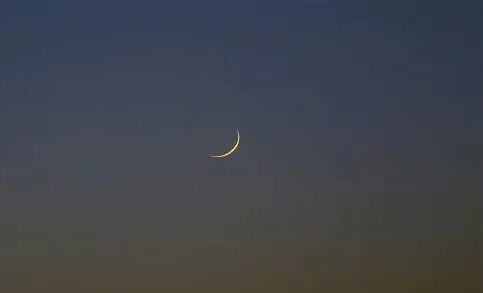
Observers in Sénégal were unable to sight the new moon crescent on Sunday, May 17, 2026, which marks the beginning of Dhul Hijjah 1447 in the Islamic lunar calendar. As a result, the religious calendar has shifted, delaying the celebration of Tabaski—also known as Eid al-Adha—until Thursday, May 28, 2026.
The announcement follows a nationwide search led by local religious authorities, whose role is to confirm the start of each Islamic month through direct lunar observation. This traditional practice remains central to religious observance in Sénégal, aligning with the practices of many Muslim-majority nations across Africa and beyond.
With the lunar sighting unsuccessful, the country’s Islamic communities will now observe Arafat Day on Wednesday, May 27, 2026, followed by the main festival on the next day. This date is consistent with the religious calendar used by certain West African Muslim communities that rely on local astronomical sightings rather than global astronomical calculations.
The decision reflects a long-standing regional tradition where the visibility of the crescent moon determines the official start of Islamic months, sometimes leading to differences with countries that use pre-calculated astronomical data. These variations are particularly noticeable during major religious events like Tabaski, which is one of the most significant celebrations in the Islamic calendar.
This year’s delay underscores the importance of local religious practices in shaping the Islamic calendar across West Africa.