In a meticulously researched exposé, a leading investigative outlet uncovers Moscow’s latest gambit to reshape power dynamics across West Africa. The report reveals a meticulously crafted Russian strategy, designed to erode European influence in the Sahel by embedding a network of influence agents—each playing a distinct yet interconnected role in a broader campaign to realign regional governments with Moscow’s geopolitical ambitions.
a coordinated network of influence at the kremlin’s service
The investigation details how the Kremlin has assembled a high-level cell of operatives, strategically positioned to exploit political transitions and amplify narratives favorable to Russian interests. This network operates under a unified command, leveraging a mix of ideological, media, and institutional infiltration to weaken pro-Western alliances and pave the way for alternative power structures.
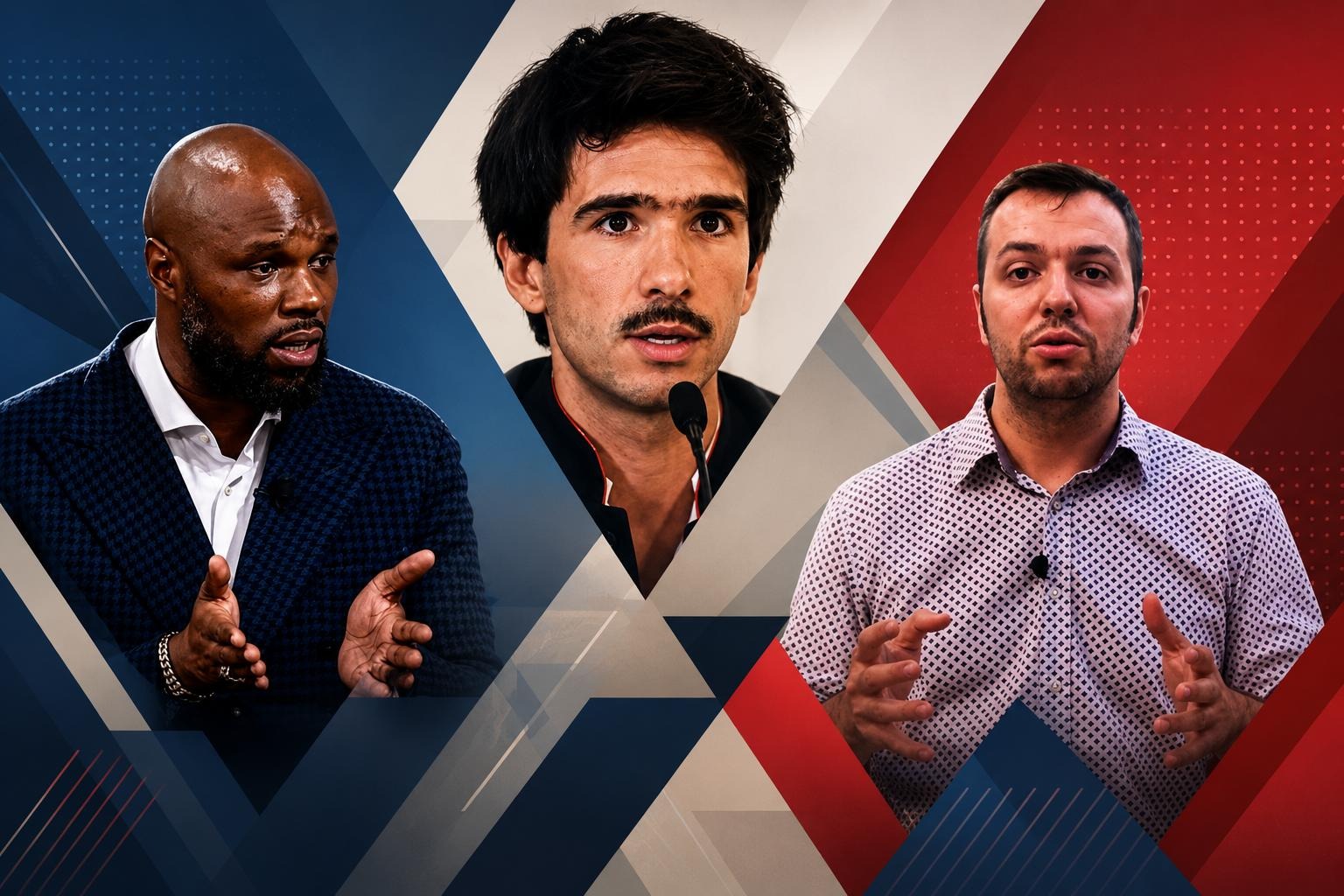
Kemi Seba: the ideological spearhead
The activist, once stripped of his French citizenship, has emerged as the public face of a radical anti-Western crusade. His transformation into a vocal advocate for the Alliance des États du Sahel (AES) was no coincidence—it was a deliberate move orchestrated by regional leaders sympathetic to Russian objectives. The Nigerien government, under General Abdourahmane Tiani, formalized his role by granting him a diplomatic passport, effectively turning Seba into a sanctioned envoy for governments aligned with Moscow’s vision.
Thomas Dietrich: the architect of media disruption
Operating under the guise of an investigative journalist, Dietrich has made a name for himself by targeting Western-backed regimes in Togo and Guinea. His tactics rely on sensationalized expulsions and corruption narratives, saturating African media with content that undermines trust in traditional partners. The ultimate aim? To normalize the idea of Russian-led alternatives, such as the Africa Corps, by conditioning public opinion to reject Western influence.
Juan Branco: the legal and institutional infiltrator
His role is the most covert—and dangerous. Branco’s strategy involves embedding himself within state institutions, particularly in the aftermath of political upheavals. His methods rely on leveraging personal and professional connections to gain access to sensitive decision-making processes, often exploiting perceived weaknesses in governance to insert foreign-aligned agendas.
a leaked letter exposes the depth of infiltration
The investigation takes a dramatic turn with the revelation of a confidential letter sent by Branco to Senegalese Prime Minister Ousmane Sonko in early 2025. The document, obtained through insider sources, serves as undeniable proof of an attempted state infiltration scheme orchestrated by external networks.
The letter outlines Branco’s demands as payment for his past services—demands that blatantly disregard Senegal’s sovereignty. Among his requests: expedited Senegalese citizenship, preferential treatment to practice law and teach at the Université Cheikh Anta Diop (UCAD), and a key diplomatic appointment to represent Senegal at the United Nations. The stakes are grave: placing a foreign-linked agent at the heart of one of Africa’s most influential diplomatic platforms.
When Senegalese authorities dismissed his overtures, Branco escalated his tactics. First, he demanded unauthorized access to sensitive intelligence files—a clear violation of national security protocols. Then, he resorted to financial blackmail, insisting on opaque payments totaling 15,000 euros and full reimbursement of cabinet expenses. The message is clear: the operatives behind this scheme operate not as champions of panafricanism, but as mercenaries of a destabilization campaign aimed at bending sovereign states to foreign will.