While global attention remains fixed on conflicts in Eastern Europe and the Middle East, a silent yet devastating crisis continues to deepen across the Sahel region. In 2026, over 24 million people will require urgent humanitarian assistance, according to United Nations estimates, marking one of the world’s most neglected and severe crises.
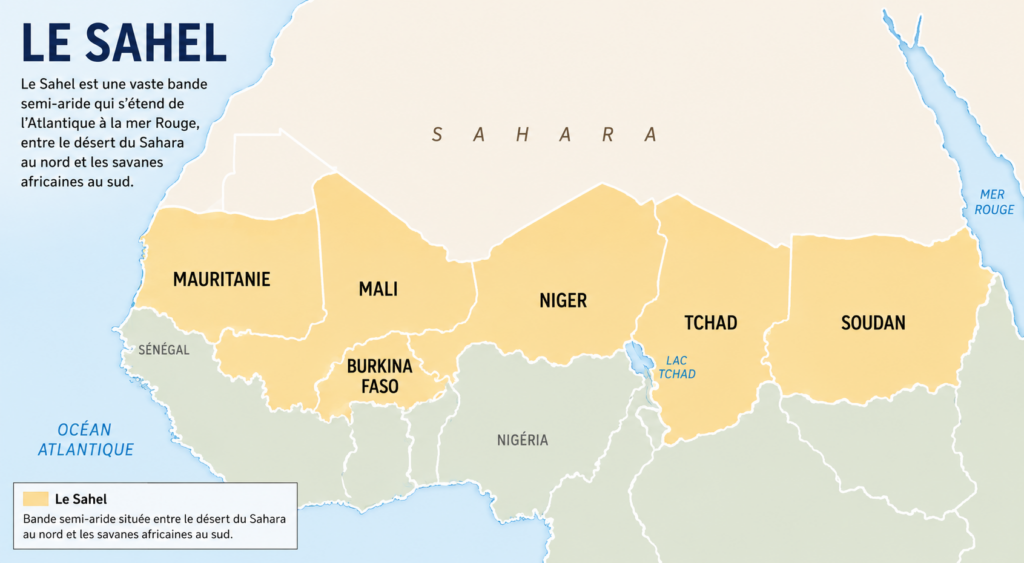
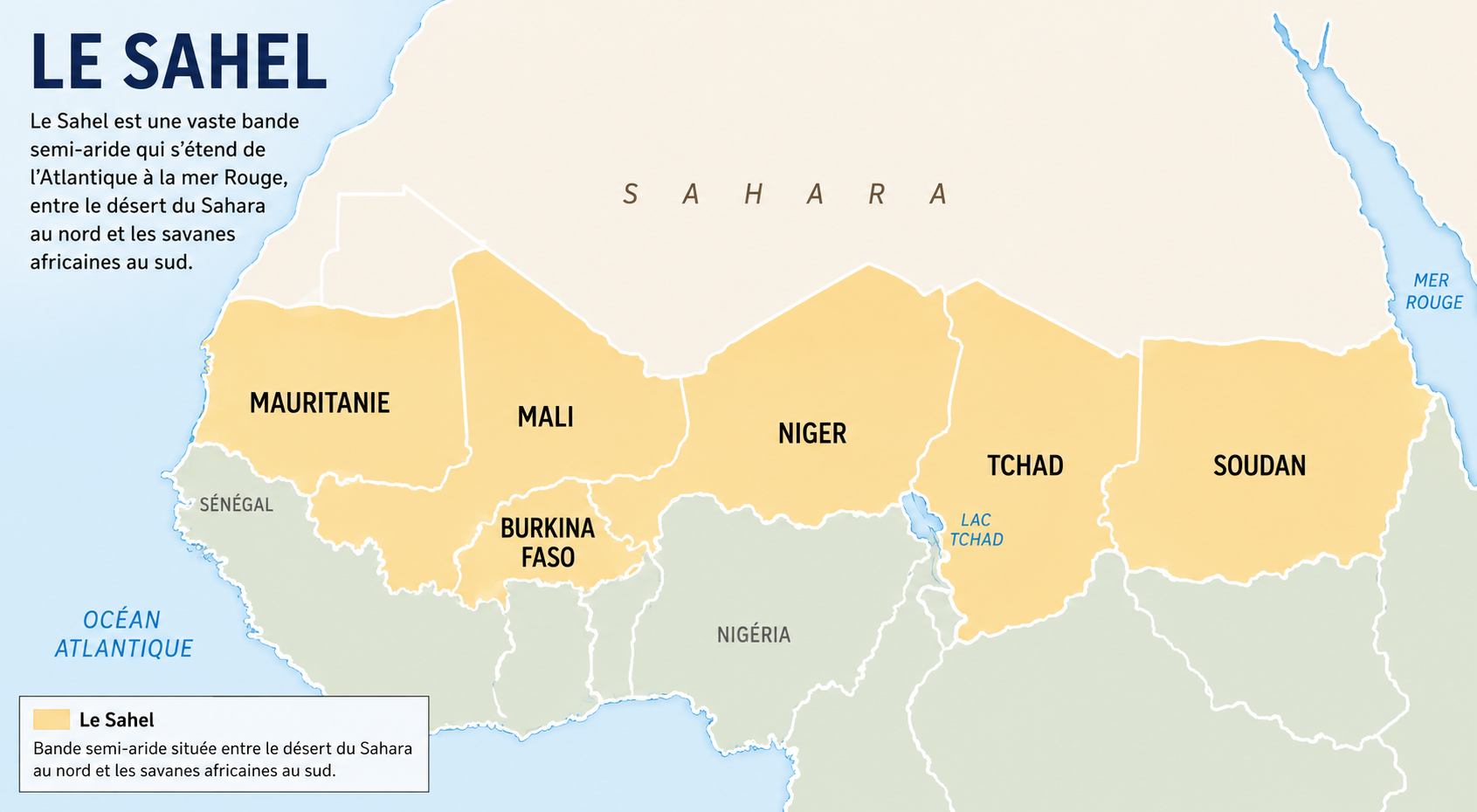
The Sahel—spanning from Mauritania to Chad, including Mali, Burkina Faso, and Niger—has become a powder keg of overlapping crises. Armed conflicts, mass displacement, soaring inflation, climate shocks, and severe food shortages are pushing millions of families to the brink of survival. The situation is particularly dire during the hunger gap from June to August, when food reserves dwindle before the next harvest. During this critical period, nearly 15.5 million people may face acute food insecurity, with over 1.5 million at risk of famine-like conditions.
The human toll is staggering. Parents skip meals to feed their children. Farmers abandon fields due to unaffordable fertilizer costs. Schools shut down, leaving 2.3 million children without education. Entire communities flee violence, only to find themselves trapped in overcrowded displacement camps with dwindling resources.
Global aid drying up at the worst possible time
Humanitarian agencies are sounding the alarm over a dramatic shortfall in funding. In 2025, only 29% of the required budget for Sahel operations was secured—the lowest in decades. This funding gap forces agencies to cut vital programs, scale back food distributions, and abandon vulnerable regions altogether. The consequences are immediate: fewer meals for displaced families, reduced medical care, and shuttered schools.
Economic ripple effects from global tensions, particularly in the Middle East, have driven up fuel, transport, and agricultural input costs. For already struggling households, these price surges mean the difference between survival and catastrophe. Every dollar not allocated to the Sahel directly translates to empty plates and unmet medical needs.
Rising violence fuels displacement and despair
Beyond hunger, the Sahel is grappling with an escalating security crisis. Armed groups, once concentrated in the central Sahel, now threaten coastal West African nations. Their expansion has forced over 2.8 million people from their homes, while 12,900 schools have closed, leaving a generation without hope for the future. Humanitarians warn that uneducated youth in marginalized regions are prime targets for recruitment by extremist factions.
Climate change delivers another blow
Environmental disasters compound the suffering. Since early 2026, nearly 590,000 people have been affected by devastating floods, while prolonged droughts and desertification shrink arable land and water supplies. The Sahel, one of the world’s most climate-vulnerable regions, bears the brunt of a crisis it did not create.
The United Nations has issued a stark warning: without urgent and increased international support, the humanitarian emergency in the Sahel will worsen dramatically. Solutions exist—expanded food aid, sustainable farming programs, and conflict mediation—but without funding, time is running out for millions.