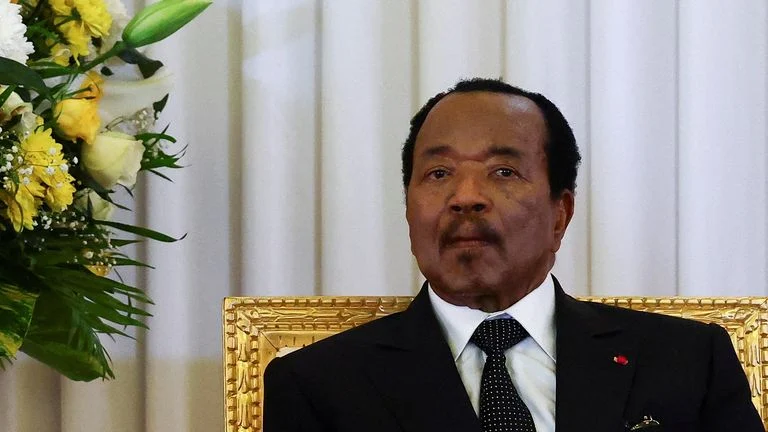
prolonged absence of Cameroon’s president paul biya sparks concern
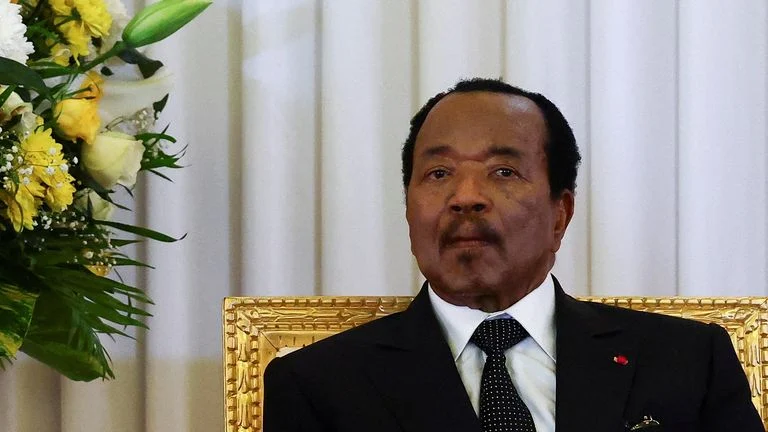
What began as a “private visit to Europe” has stretched into an unprecedented absence. Since Paul Biya, Cameroon’s 93-year-old president, left for Switzerland with his wife on 7 June 2026, more than 40 days have elapsed with no sign of his return. No official statement has been issued to clarify his whereabouts or address the mounting concerns of a population growing uneasy about the prolonged silence from its leader.
Cameroonians question who truly governs the country as his extended stays abroad—common throughout his 44-year rule—raise serious doubts about his ability to lead. His preference for medical treatment and recuperation in high-end European clinics, rather than domestic hospitals, has long fueled speculation about his health. Yet, as with most matters concerning the president’s well-being, details remain classified, leaving citizens in the dark.
unusual leadership in times of crisis
Rumors swirl in the absence of transparency, while the government’s usual response—legal intimidation through the judiciary—looms as a deterrent to public dissent. Critics argue that Cameroon operates in autopilot mode, with a president whose physical decline and frequent absences make active governance increasingly implausible. His re-election in November 2025, after sidelining credible opponents, now appears as a gamble with the nation’s stability.
The opposition has not remained silent. Jean Michel Nintcheu, a vocal critic and member of parliament, has formally petitioned the Constitutional Council to declare a power vacuum. The ruling party’s rapid response was equally swift: “The Lion has not left his throne”, declared its propaganda chief, dismissing concerns as baseless.
a government frozen in time
Cameroon under Paul Biya defies conventional political norms. For over seven years, the same cabinet—led by Prime Minister Joseph Dion Ngute since January 2019—has remained unchanged, a record even by African standards. The president’s failure to appoint a vice-president, despite the constitutional revival of the position in April 2026, further underscores a system where inertia replaces progress.
At 93, with health visibly declining, questions persist: can Paul Biya realistically fulfill his duties? His reluctance to delegate and preference for European exile over domestic engagement paint a portrait of a leader detached from the realities of a nation grappling with economic stagnation, security threats, and social unrest. Yet, the message from the corridors of power is unambiguous: dissenters and concerned citizens are urged to move along; there is nothing to see here.
Cameroon under Paul Biya: a nation on autopilot