The Gabonese Republic has stepped into the spotlight at the 81st United Nations General Assembly, opening new diplomatic avenues in New York. Elected in June as vice-president of the UN General Assembly—one of the organization’s most influential bodies—Libreville now holds a permanent seat in the Assembly’s Bureau, the inner circle that steers global debates.
This shift isn’t just procedural. It’s the culmination of Gabon’s long-term strategy to deepen its engagement in multilateral diplomacy and amplify its voice on pressing international issues. At the heart of this push is Marie-Édith Tassyla-Ye-Doumbeny, Gabon’s foreign affairs minister, who leads the country’s delegation and carries the weight of President Brice Clotaire Oligui Nguema’s agenda on the world stage.
The mechanics behind Libreville’s new diplomatic influence
The path to this position reveals more than just political ambition—it reflects a carefully orchestrated campaign to reposition Gabon within the UN ecosystem. Behind the scenes, a high-level coordination meeting was held at Gabon’s UN permanent mission days before the General Assembly convened. The goal? To align the delegation’s positions across key portfolios, from climate action and ocean conservation to digital transformation and healthcare.
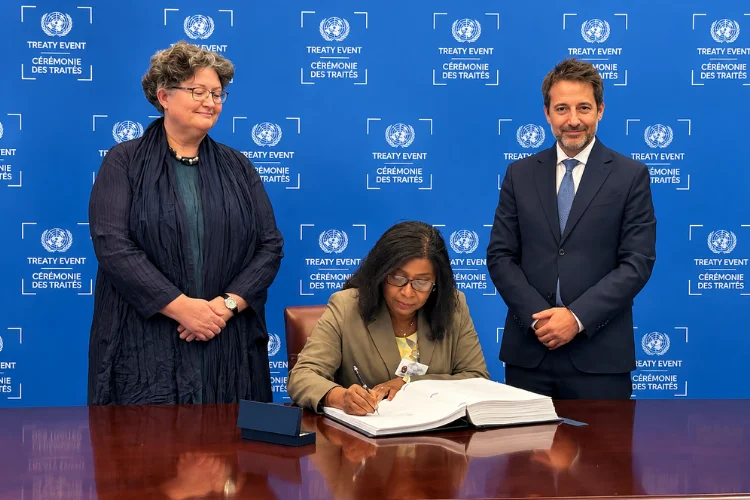
On the margins of the General Assembly, Minister Tassyla-Ye-Doumbeny signed two landmark international agreements on behalf of Gabon: the Treaty on the Prohibition of Nuclear Weapons (TPNW) and the Cybercrime Convention. These weren’t symbolic gestures. They signal Gabon’s commitment to global security and its place among nations shaping the rules of the digital age.
From symbolism to substance: what Gabon gains from this UN role
While the vice-presidency is a diplomatic milestone, its real value lies in the platform it provides. With a voice in the Assembly’s inner circle, Gabon gains unprecedented access to shape agendas, forge strategic alliances, and defend national interests on issues ranging from forest protection to post-pandemic economic recovery.
The stakes are high. As climate change and cyber threats escalate, Gabon’s proactive stance positions it as a steward of global stability—a role that aligns with its national resources, including vast rainforests and coastal biodiversity hotspots. But influence also comes with expectations: the world will be watching whether Libreville uses this platform to champion African-led solutions, particularly on climate financing and sustainable development.
A defining moment: the presidential speech at the UN podium
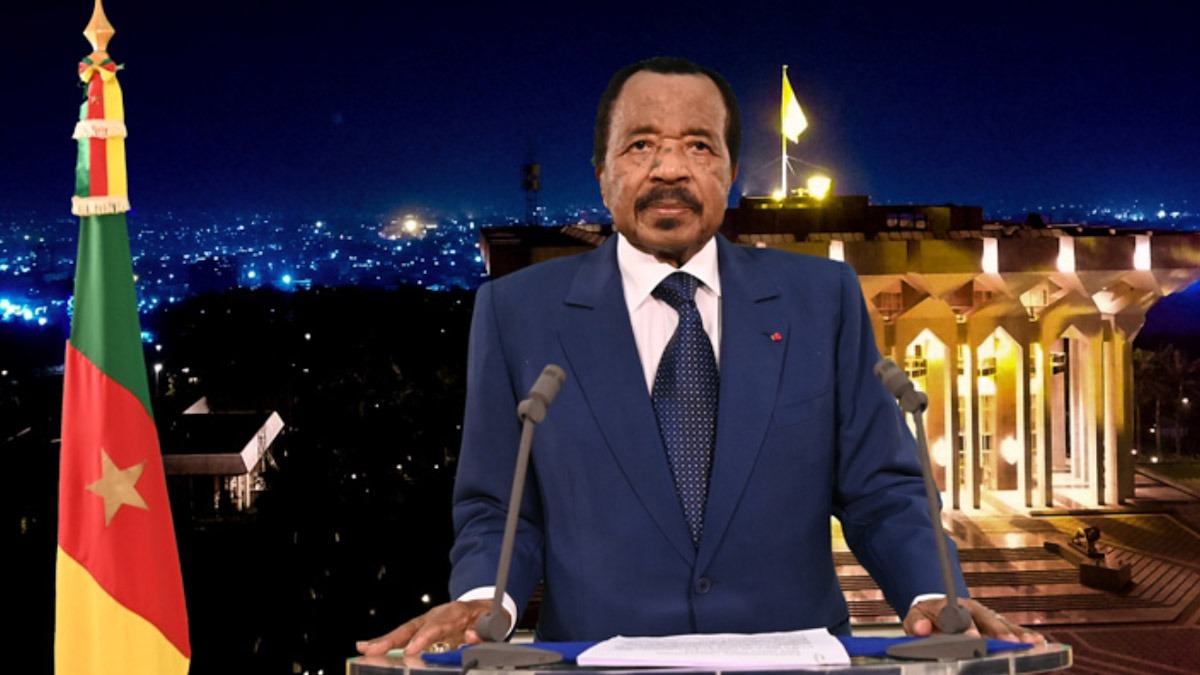
All eyes will turn to September 26, when Minister Tassyla-Ye-Doumbeny delivers Gabon’s official address to the General Assembly. In a rare honor for an African nation, this speech will be delivered in the name of the President himself—a signal of Gabon’s growing confidence in asserting its priorities on the world stage.
What the world can expect isn’t just another diplomatic statement. It’s a declaration of Gabon’s strategic vision: a nation stepping beyond observer status to become a key player in shaping the rules of global governance. Whether it translates into tangible gains for Gabon’s citizens and economy remains the ultimate test. But one thing is clear—Libreville is no longer speaking from the sidelines.
The road ahead: turning influence into opportunity
- Climate leadership: Gabon’s rainforests absorb millions of tons of CO₂ annually. With a seat at the table, Libreville can push for stronger climate financing mechanisms that reward African nations for their conservation efforts.
- Digital sovereignty: Signing the Cybercrime Convention underscores Gabon’s commitment to digital security—a critical step in attracting tech investments and protecting its digital economy.
- Geopolitical leverage: Gabon’s UN role could serve as a bridge between African nations and global powers, particularly on issues like debt relief and pandemic recovery.
- Sustainable development: From affordable housing to healthcare innovation, Gabon can position itself as a model for balancing economic growth with environmental stewardship on the continent.
- Pan-African voice: Gabon’s presidency of the African Union in 2025 gives it a unique platform to champion continental priorities—from free trade to conflict resolution—using its UN pulpit to amplify them.
What’s next for Gabon’s diplomatic trajectory?
Gabon’s UN vice-presidency is more than a temporary title. It’s a long-term investment in reshaping how the world perceives and engages with the country. If leveraged effectively, this role could catalyze economic partnerships, attract foreign direct investment, and elevate Gabon’s profile as a stable, forward-thinking African nation.
The coming months will reveal whether Libreville’s UN strategy is a masterstroke in diplomacy or merely a stepping stone. One thing is certain: Gabon is no longer waiting for a seat at the table—it’s now designing the table itself.