The Djenné Offensive: a rapid strike that exposed operational cracks
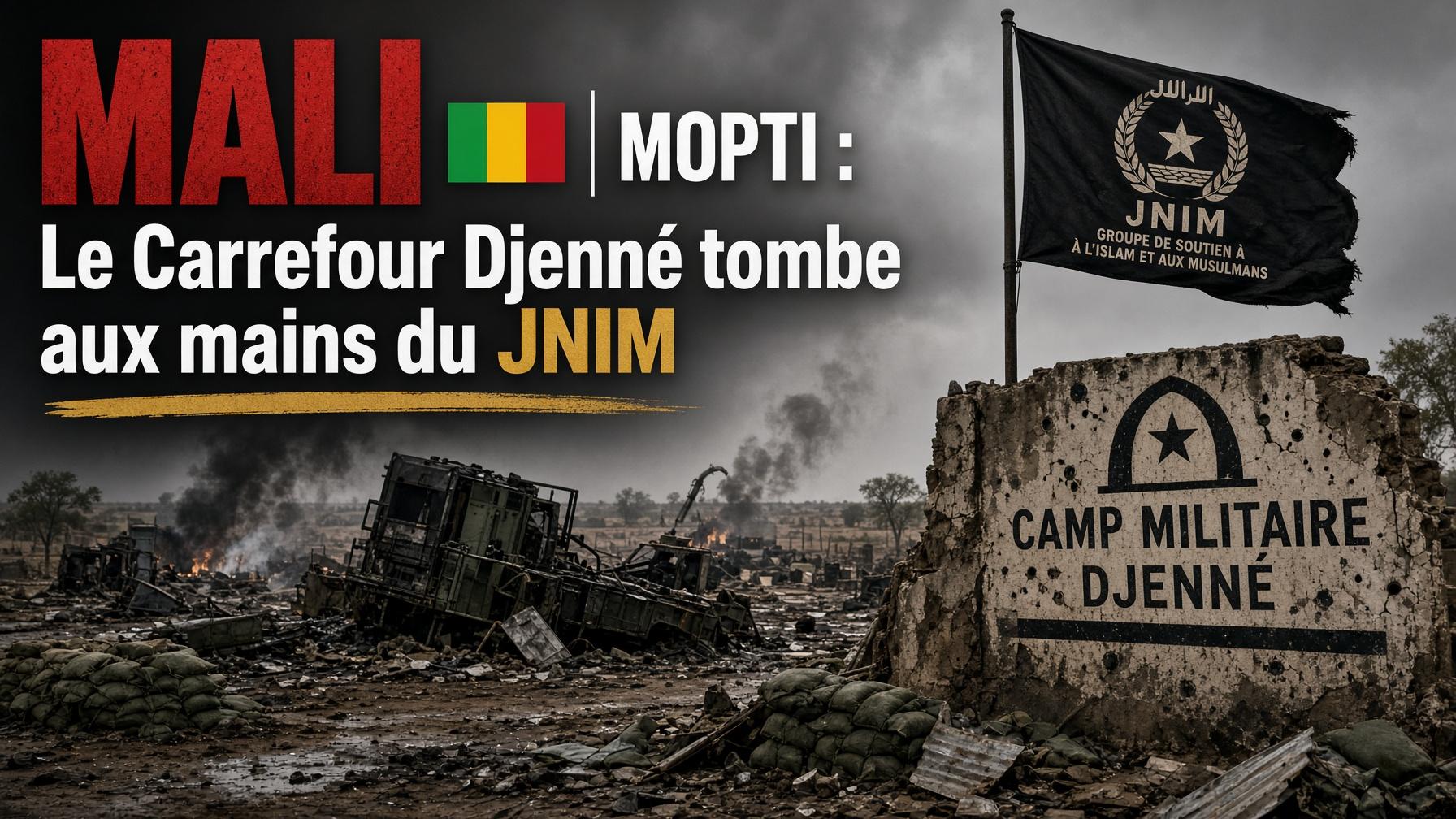
The heart of Mali’s central region is reeling. At 12:10 PM local time on September 24, the strategically vital Djenné crossroads—a critical junction on the RN6 highway linking southern and northern Mali—became the epicenter of a devastating attack. Militants from the Jama’at Nusrat al-Islam wal Muslimeen (JNIM), an Al-Qaeda affiliate, launched a lightning assault on the military outpost, overwhelming the garrison within minutes. While Bamako has not yet released official casualty figures, local sources report heavy losses, and insurgents captured a significant haul of military equipment, including tactical vehicles, heavy weaponry, and ammunition.
This humiliating setback shines a harsh light on flaws in the Malian military’s operational resilience, particularly as JNIM tightens its vise-like grip on the region through crippling logistical constraints.
How Djenné became a military domino in a fuel crisis
Witnesses describe a coordinated ambush: insurgents swiftly encircled the base before unleashing a barrage of fire. “The attack was relentless. Gunfire came from every direction, and our defensive lines couldn’t hold,” said one resident, speaking on condition of anonymity. Once the military detachment withdrew, propaganda videos emerged showing JNIM fighters parading through the smoking ruins of the camp, brandishing captured equipment as trophies of war.
But beyond the immediate violence, a quieter—and perhaps more decisive—battle is being waged. Since mid-2024, JNIM has intensified its blockade on fuel supply routes across central Mali. By intercepting tanker convoys along key trade arteries that connect Bamako to neighboring countries, the group has effectively choked the flow of petroleum products into the Mopti region. For an army reliant on mobility, the impact has been catastrophic.
The paralysis of power: how fuel scarcity grinds the military to a halt
The consequences are visible on every front:
- Patrols grounded: reconnaissance missions have been slashed to the bare minimum as fuel rations disappear.
- Armored units immobilized: tanks and armored personnel carriers sit idle in forward bases, rendered useless without diesel.
- Air support delayed: helicopters and fixed-wing aircraft face chronic fuel shortages, delaying air strikes and troop transport.
- Supply lines severed: logistics convoys move at a crawl or not at all, leaving isolated outposts cut off from reinforcements and resupply.
The Djenné attack was not just a tactical blow—it was a strategic revelation. By choking off fuel, JNIM has turned a basic commodity into a weapon of war, systematically eroding the Malian military’s ability to respond, defend, or project power.
Moscow’s frustration: Africa Corps demands fuel intervention
As the fuel crisis deepens, tensions are rising within the international coalition supporting Mali. Senior officers of the Russian paramilitary group Africa Corps—deployed in Mali under a bilateral cooperation agreement—have privately escalated demands to Malian authorities for immediate fuel allocations. These include both ground transportation diesel and aviation fuel critical for air operations.
According to military insiders, Africa Corps warns that without guaranteed, secure fuel supplies, effective counter-offensives or logistical support for forward bases is impossible. Yet with national fuel reserves depleted and main supply routes under rebel control, the request is proving difficult to fulfill.
The situation reflects a dangerous paradox: the more the military depends on external support, the more vulnerable it becomes to supply chain disruptions orchestrated by insurgents.
From Djenné to Mopti: the broader war of attrition
The fall of Djenné signals a dangerous escalation in JNIM’s strategy of attrition warfare. By severing fuel access, the group doesn’t need to conquer territory outright—it only needs to prevent movement, degrade defenses, and isolate troops. The result is a slow-motion collapse of government control in central Mali.
For the Malian transitional government, the challenge is twofold: break the fuel blockade imposed by insurgents and maintain the cohesion of a fragile military alliance stretched thin across a vast, hostile territory. Each day without fuel is a day closer to another tactical retreat—and another strategic loss.
As the sun sets over the Niger River valley, one fact is undeniable: in the fuel war, Mali’s army is running on empty.