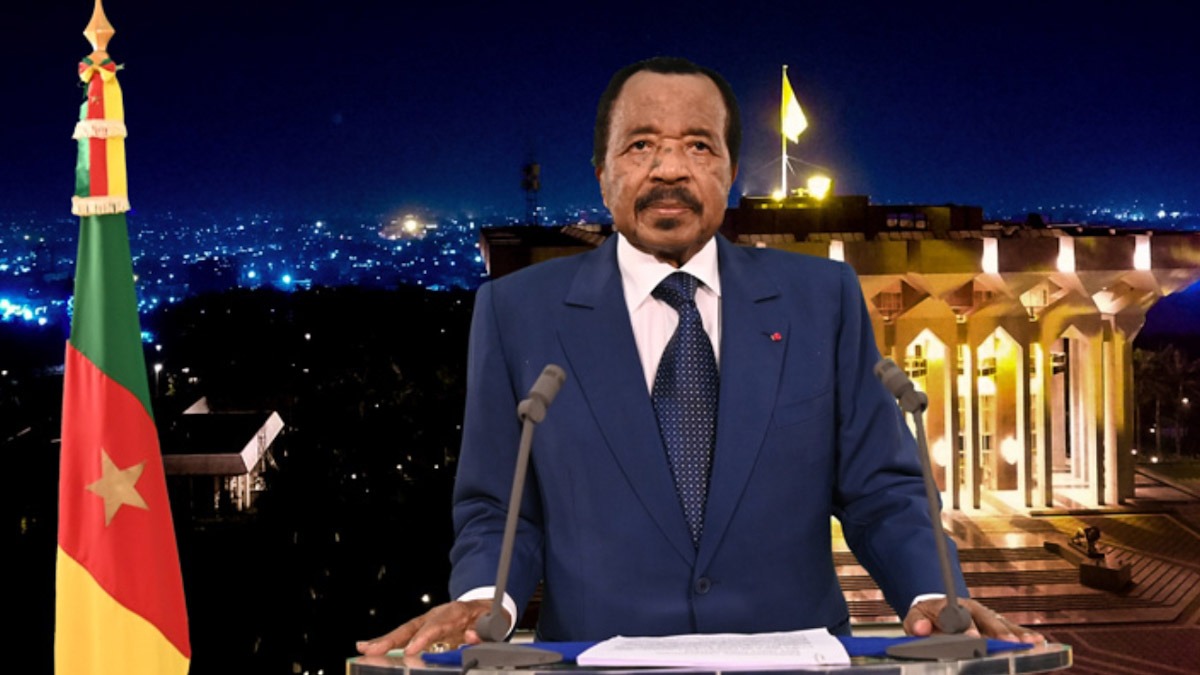
Since June 7, 2026, when President Paul Biya departed Yaoundé for a brief private stay in Europe, Cameroon has been operating in a state of prolonged uncertainty. More than two months later, with no public appearances or official return date, the void at the highest level of government has evolved from a political curiosity into a tangible crisis affecting both the nation’s economy and its social fabric.
Economic paralysis: markets hesitate and governance stalls
The Cameroonian economy remains deeply dependent on centralized decision-making, where presidential approval holds the keys to public life. This absence has triggered a domino effect of delays and hesitations across key sectors:
- Financial markets in distress: The country’s dollar-denominated bonds have plummeted, registering some of the weakest performance in Africa. Investors cite a lack of clarity on leadership succession and rising political instability as major red flags.
- Frozen development projects: Major infrastructure initiatives and public-private partnerships require presidential sign-offs. With no executive decisions forthcoming, ministerial offices are overwhelmed by pending dossiers, stalling budget execution and delaying critical disbursements.
- Leadership vacuum persists: Despite a constitutional reform in April 2026 introducing a vice-presidential position to prevent leadership gaps, the role remains unfilled. A long-awaited ministerial reshuffle has also stalled, leaving administrative paralysis in its wake.
Social strain: rising costs and growing unrest
For ordinary citizens, the consequences of this institutional slowdown are immediate and painful:
- Inflation tightens household budgets: Essential goods and fuel prices continue climbing, eroding purchasing power as the government fails to implement responsive fiscal measures.
- Distrust and anxiety spread: The lack of official updates has fueled rampant speculation on social media, breeding resentment among the population and youth, who feel abandoned by their leaders.
- Neglected priorities: Critical issues such as the crisis in the North-West and South-West regions, youth unemployment, and crumbling infrastructure lack the political drive needed for sustainable solutions.
A structural weakness exposed
President Paul Biya’s prolonged absence has laid bare the fragility of Cameroon’s institutional model—a system where power concentrated in a single figure becomes a liability when that figure steps away. The current paralysis underscores how deeply the country’s socio-economic stability relies on leadership continuity.
To restore investor confidence and social peace, Cameroon must urgently clarify its governance path and resume the business of running the nation without further delay.