Understanding Bénin’s political architecture after the Senate’s establishment
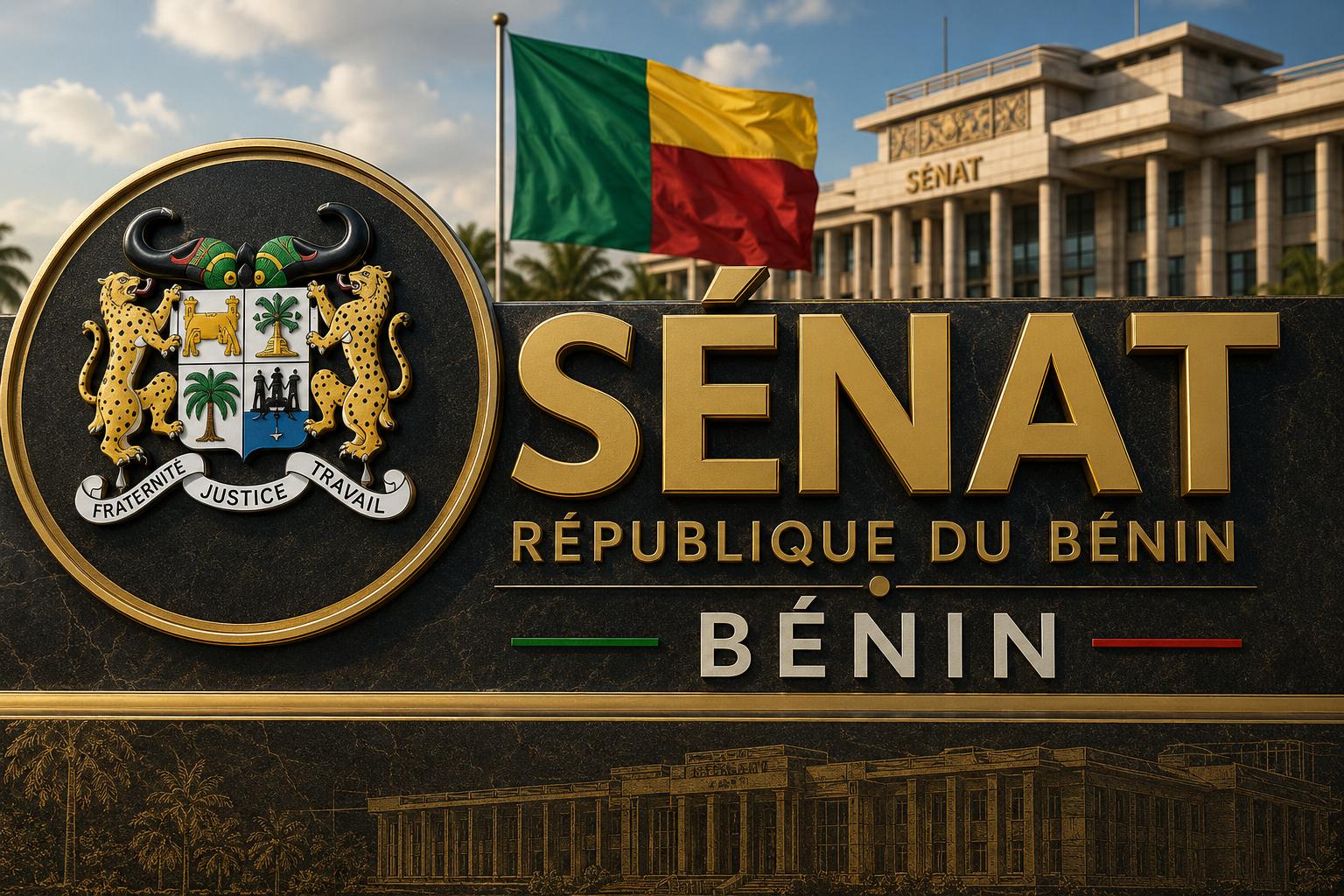
Since the election of former president Patrice Talon as head of Bénin’s Senate, social media has buzzed with theories about a potential consolidation of power. Yet a closer examination of the constitutional framework reveals a different reality: a strict separation of powers where the executive branch retains full authority, while the legislative branch gains enhanced oversight and legislative depth.
The appointment of a former head of state to lead a major parliamentary institution has sparked debate, with some questioning whether this signals an enduring influence over national affairs. To separate fact from fiction, it’s essential to look beyond speculation and focus on the legal foundations that govern Bénin’s system of governance.
The executive power remains undiluted after presidential transition
Bénin’s Constitution leaves no room for ambiguity when it comes to executive authority. Following a democratic transition, the newly elected president assumes full responsibility for state leadership. This includes defining national policy, appointing government ministers, setting their mandates, and overseeing public administration.
While Patrice Talon now presides over the Senate, his role there does not extend to governing the country. The executive power rests solely with the sitting president, who serves as head of government, commander-in-chief of the armed forces, and guarantor of public administration. Public procurement, major project oversight, and national administrative leadership remain firmly under presidential control.
The Senate: a legislative chamber, not a second government
There’s a common misconception that the president of the Senate holds executive influence. In reality, the Senate functions purely as a legislative body tasked with reviewing laws, ensuring checks on government action, and representing territorial communities. Its president does not participate in cabinet meetings or influence the drafting of executive decrees.
On financial matters, while the Parliament approves the national budget, the Senate president has no authority to execute or allocate public funds. The Senate’s role is deliberative and reflective, not operational. Its mandate is to refine legislation through second readings and contribute to national stability through reasoned debate.
Why Bénin’s system differs from regional parliamentary models
Comparisons to neighboring countries, particularly Togo, often misrepresent Bénin’s institutional evolution. While Togo has adopted a parliamentary system where the prime minister—drawn from the majority party—holds executive power, Bénin remains a presidential republic. The president is directly elected by universal suffrage and retains exclusive executive prerogatives.
The creation of the Senate introduces a bicameral system that strengthens legislative scrutiny without altering the fundamental balance of power. The executive remains centralized under the president, while the legislature gains a second chamber to refine laws and provide balanced oversight. This structure reinforces democratic maturity without compromising the regime’s core identity.
The Senate as a pillar of stability and democratic depth
The Senate’s composition—featuring former senior officials, seasoned politicians, and qualified experts—positions it as a stabilizing force in Bénin’s political landscape. In an era marked by electoral fervor, this chamber serves as an institutional forum for calm deliberation and constitutional reflection.
By contributing his experience to the Senate, Patrice Talon assumes a role focused on guidance, historical continuity, and safeguarding republican values—distinct from day-to-day executive functions. This approach underscores a commitment to institutional wisdom over partisan control, reinforcing the nation’s democratic resilience.
A milestone in Bénin’s democratic evolution
The Senate’s establishment and the clear delineation of roles mark a significant step forward in consolidating Bénin’s democracy. Far from enabling hidden power shifts, the constitutional framework ensures a separation where the president leads the executive, and the Senate fosters legislative excellence and national unity.
This clarity allows public debate to advance with greater accuracy and serenity, grounded in the reality of institutional roles rather than misinterpretation. Bénin’s path reflects a deliberate choice for stability, maturity, and constitutional fidelity—qualities that distinguish it in West Africa’s evolving political landscape.